New Research Suggests Long-Term Dietary Patterns Could Significantly Reduce Risk of Both Ischemic and Hemorrhagic Events
For decades, the Mediterranean diet—characterized by a vibrant abundance of plant-based foods, healthy fats, and lean proteins—has been touted as a gold standard for cardiovascular health. Now, a comprehensive long-term study published on February 4, 2026, in Neurology Open Access, a journal of the American Academy of Neurologists, offers compelling new evidence that this eating pattern may serve as a critical tool in the prevention of stroke among women.
The study, which tracked the health outcomes of over 100,000 women across two decades, suggests that those who strictly adhere to Mediterranean dietary principles face a significantly lower risk of experiencing a stroke. While researchers are careful to note that the findings demonstrate a strong association rather than a direct causal link, the sheer scale and duration of the study add significant weight to the argument that lifestyle modifications are among the most effective, accessible, and potent defenses against neurological decline.
The Anatomy of the Study: Tracking 100,000 Lives
To understand the long-term impact of dietary habits, a team of researchers led by Dr. Sophia S. Wang of the City of Hope Comprehensive Cancer Center in Duarte, California, embarked on a rigorous longitudinal study. The research cohort consisted of 105,614 women who, at the outset of the study, possessed no prior history of stroke. The average age of the participants was 53, placing them in a demographic window where health interventions can have a profound impact on aging outcomes.
The Methodology of Measurement
At the beginning of the study, participants were asked to complete highly detailed dietary questionnaires. These responses allowed researchers to quantify adherence to the Mediterranean diet using a nine-point scoring system. Each participant earned a point for consuming higher-than-average amounts of the following:
- Whole grain cereals
- Fruits and vegetables
- Legumes
- Fish
- Olive oil
- Moderate alcohol consumption
Conversely, participants earned points for limiting their intake of red meat and dairy products below the population average.
The distribution of the participants provided a robust data set: approximately 30% of the women fell into the "highest adherence" category, scoring between six and nine points, while 13% fell into the "lowest adherence" category, scoring between zero and two. The study then followed these women for an average of 21 years, creating a comprehensive map of how dietary patterns correlate with the incidence of stroke over time.
Chronology of Findings: A Two-Decade Analysis
Over the 21-year observation period, the researchers documented a total of 4,083 strokes. These events were categorized into the two primary forms of the disease: 3,358 cases of ischemic stroke (caused by blockages in blood flow to the brain) and 725 cases of hemorrhagic stroke (caused by the rupture of a blood vessel).
The Statistical Shift
When the data was analyzed, the disparity between those who followed the diet closely and those who did not was striking. In the highest adherence group, there were 1,058 ischemic strokes, whereas the lowest group saw 395. For hemorrhagic strokes, the gap was even more notable in terms of risk reduction: 211 cases in the high-scoring group compared to 91 in the low-scoring group.
After adjusting for confounding variables—including smoking status, physical activity levels, and pre-existing high blood pressure—the researchers found that women with the highest Mediterranean diet scores were 18% less likely to experience any type of stroke compared to those in the lowest bracket. Specifically, the risk of ischemic stroke was reduced by 16%, while the risk of hemorrhagic stroke plummeted by 25%.
Defining the Mediterranean Diet: Beyond the Buzzword
The term "Mediterranean diet" is often used colloquially to describe a healthy way of eating, but in the context of clinical research, it refers to a specific, evidence-based nutritional framework.
Core Components
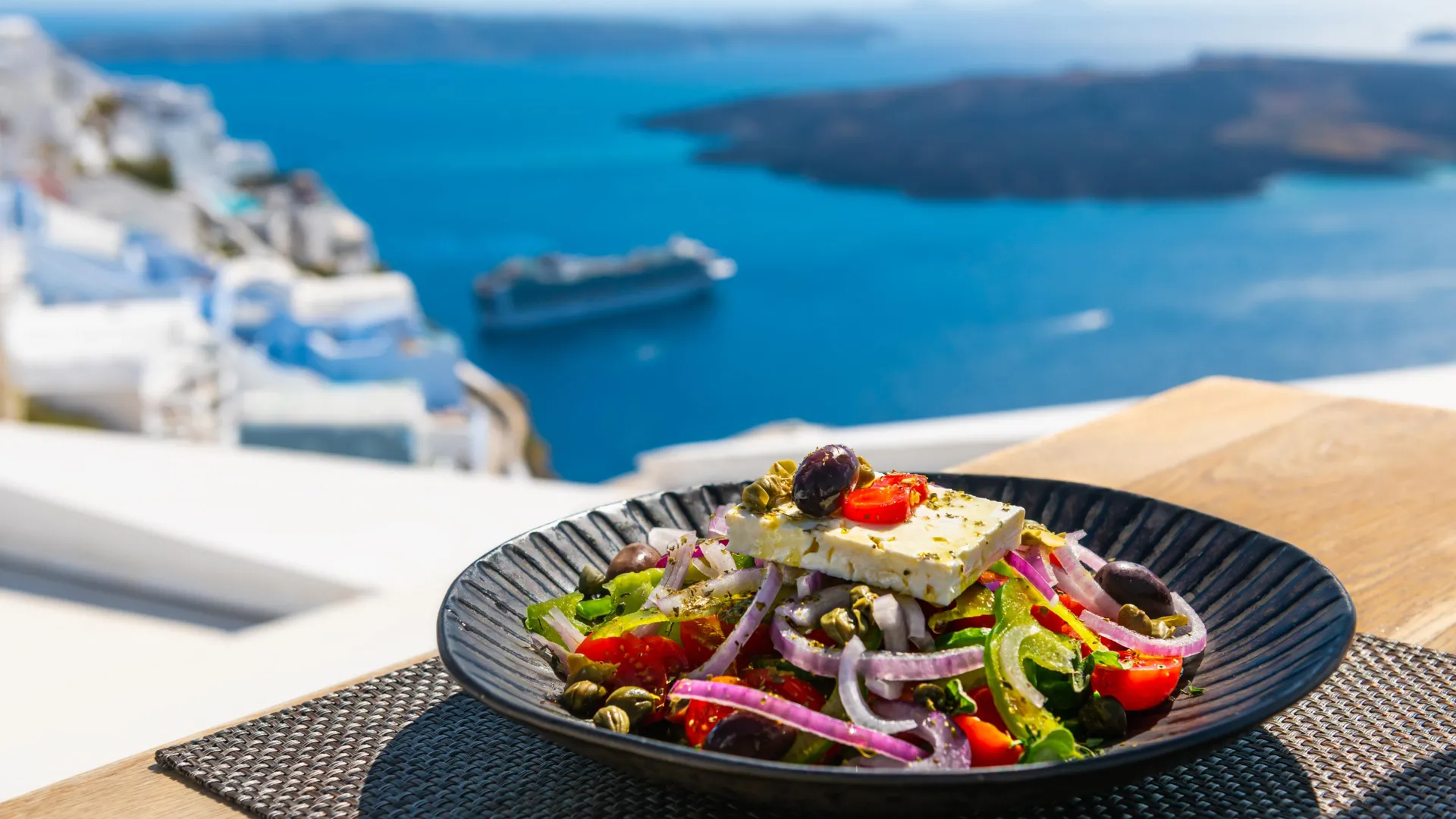
- Plant-Forward: The foundation of the diet consists of legumes, nuts, seeds, fruits, and vegetables. These foods are rich in fiber, antioxidants, and phytochemicals, which are known to reduce systemic inflammation—a key driver of vascular disease.
- Healthy Fats: The diet prioritizes monounsaturated fats, primarily derived from extra virgin olive oil, which replaces butter and margarine.
- Lean Protein: Fish serves as the primary protein source, providing essential Omega-3 fatty acids that support brain health and blood vessel elasticity.
- Restriction: The diet discourages the consumption of ultra-processed foods, high-sugar items, and excessive saturated fats found in red meat and full-fat dairy.
This dietary matrix does more than just lower cholesterol; it helps manage blood pressure, insulin sensitivity, and endothelial function, all of which are critical to keeping blood vessels healthy and resilient against the pressures that lead to both blockages and ruptures.
Official Responses and Clinical Implications
Dr. Sophia S. Wang, the study’s lead author, expressed enthusiasm regarding the broader implications of the findings. "Our findings support the mounting evidence that a healthy diet is critical to stroke prevention," Dr. Wang stated.
One of the most compelling aspects of the research is its focus on hemorrhagic stroke. "We were especially interested to see that this finding applies to hemorrhagic stroke, as few large studies have looked at this type of stroke," she added. Because hemorrhagic strokes—while less common than ischemic ones—are often more fatal or cause more severe disability, the potential for dietary intervention to reduce this risk is a significant development in preventive neurology.
A Path Toward Public Health Policy
The findings underscore the necessity of viewing nutrition as a foundational component of medical care. As stroke remains a leading cause of death and long-term disability worldwide, the potential for public health initiatives that encourage Mediterranean-style eating could significantly lower the burden on healthcare systems. "It’s exciting to think that improving our diets could lessen our risk for this devastating disease," noted Dr. Wang, though she emphasized that the scientific community must now pivot toward understanding the "mechanisms behind them" to develop more targeted prevention strategies.
Addressing Limitations and Future Directions
While the study’s results are statistically significant and provide a strong mandate for dietary reform, the researchers were transparent about the limitations inherent in the study design.
Self-Reporting and Recall Bias
Because the dietary data was self-reported, there is a margin of error regarding the accuracy of participant memory. Some individuals may have overestimated their consumption of "healthy" foods or underestimated their intake of red meat or dairy. However, the sheer size of the cohort—over 100,000 women—is generally considered large enough to mitigate the impact of individual reporting errors, as these discrepancies tend to wash out across such a massive sample size.
The Correlation vs. Causation Gap
It is crucial for clinicians and the public to recognize that this study identifies an association. While the data suggests that those who eat this way are less likely to have a stroke, it does not definitively prove that the diet is the sole cause of that protection. Factors such as socioeconomic status, access to healthcare, and genetic predispositions can influence both diet and health outcomes.
The Path Forward
The study, funded by the National Institute of Neurological Diseases and Stroke, marks a pivotal moment in nutritional neurology. Future research is expected to delve deeper into the biological pathways: How exactly do these foods interact with the brain’s vascular system? Does the Mediterranean diet have a different impact on stroke risk in men or in younger populations?
As we move forward, the message from the scientific community is clear: while we cannot control our genetic makeup or the inevitable passage of time, our daily dietary choices represent a powerful, accessible, and life-altering mechanism for maintaining neurological integrity. For millions of women, the road to a healthier brain may well start on their dinner plates.