











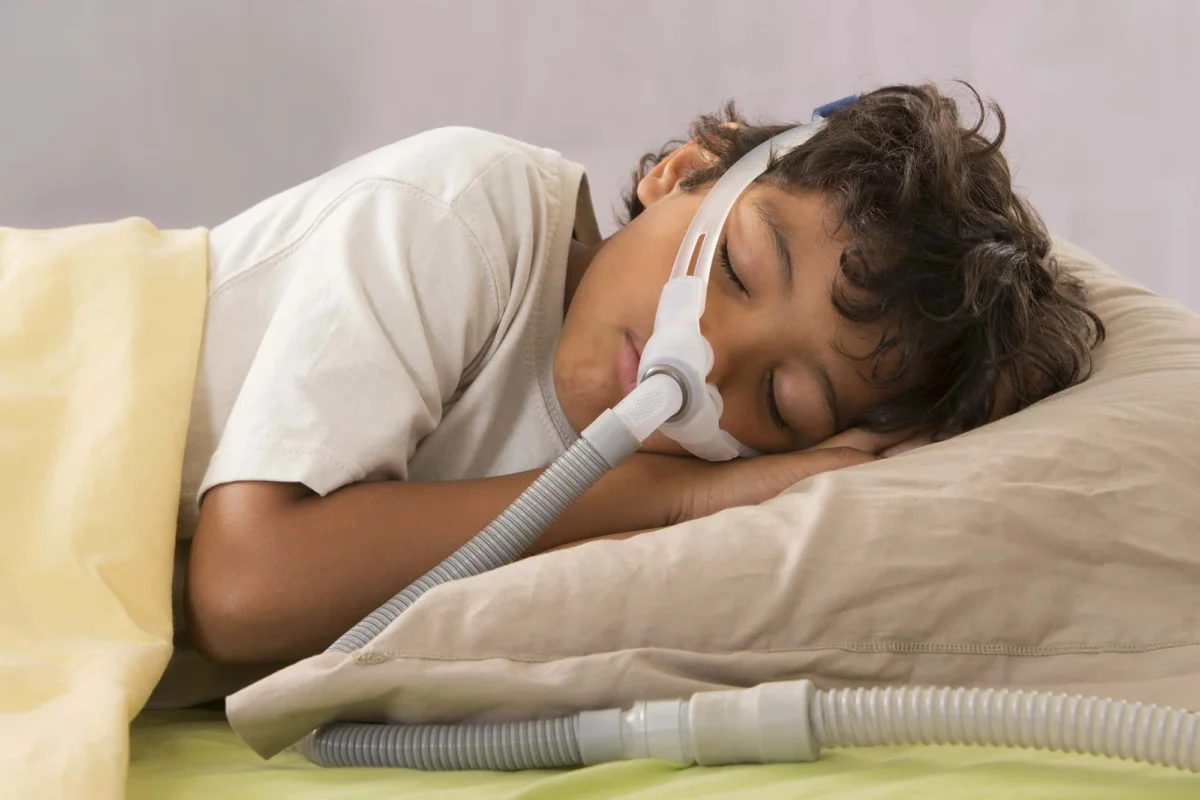
In the quiet of the night, children across the globe struggle with sleep fragmentation—a condition that often goes unnoticed by parents and clinicians alike until it begins to manifest in behavioral issues, developmental delays, or academic struggles. While medical professionals have long focused on traditional markers of sleep-disordered breathing (SDB), such as the Apnea-Hypopnea Index (AHI), a groundbreaking study published in Scientific Reports suggests that we have been looking at only half the picture.
New research indicates that environmental tobacco smoke (ETS) is a potent, independent driver of sleep disruption in children, capable of shattering sleep architecture even when standard respiratory tests show no clinical abnormality. This discovery shifts the clinical focus from purely structural or obstructive issues toward the insidious impact of the chemical environment in which children reside.
Main Facts: A Hidden Disruptor of Rest
The study, led by N. Arwas and colleagues, serves as a wake-up call for pediatricians and sleep specialists. By examining 30 children between the ages of 1 and 12, researchers sought to isolate the effects of secondhand smoke on sleep quality. The cohort, with a mean age of 5.8 years, consisted primarily of boys (73%), all of whom were referred for suspected sleep-disordered breathing.
The primary finding is stark: Children exposed to secondhand tobacco smoke exhibited a 67% higher arousal index compared to their unexposed peers.
What makes this finding particularly alarming is that it occurs in the absence of traditional apnea symptoms. The study found that ETS exposure was not associated with the Apnea-Hypopnea Index, oxygen desaturation index, or mean oxygen saturation levels. In essence, a child can be breathing "normally" according to standard clinical metrics while their brain is being subjected to constant, chemically induced arousals that prevent deep, restorative sleep.
Chronology: From Referral to Biological Evidence
The research process was meticulously designed to strip away the subjectivity often found in pediatric sleep evaluations:
- Initial Referral: The children were referred to sleep centers for clinical suspicion of sleep-disordered breathing, a common procedure for parents reporting snoring or restlessness in their offspring.
- Polysomnographic Assessment: Each participant underwent comprehensive overnight polysomnography (PSG)—the gold standard for monitoring brain activity, heart rate, and breathing during sleep.
- Biomarker Validation: Recognizing that self-reporting of smoking habits is notoriously unreliable, the researchers employed urinary cotinine testing. Cotinine, a primary metabolite of nicotine, serves as a high-fidelity biological marker for recent exposure to tobacco smoke.
- Comparative Analysis: The data from the PSG and the cotinine levels were cross-referenced to determine if there was a linear relationship between the concentration of nicotine in the child’s system and the frequency of their nocturnal awakenings.
The results confirmed a clear correlation: as urinary cotinine concentrations rose, total sleep time plummeted, and sleep efficiency—the ratio of time spent asleep to time spent in bed—consistently deteriorated.
Supporting Data: The Discrepancy of Perception
One of the most troubling aspects of the study is the "perception gap" regarding smoke exposure. The researchers found a profound disconnect between the reality of the child’s environment and the parents’ reports.
- The Parental Report: Among the study participants, nearly 50% had at least one parent who smoked. Of these smoking parents, 82% reported consuming 10 or more cigarettes daily.
- The Denial Factor: Despite the high volume of tobacco use in the household, 60% of these parents explicitly denied that their child was exposed to environmental tobacco smoke.
- The Biomarker Reality: The objective cotinine data effectively debunked these denials, proving that even when parents believe they are protecting their children—perhaps by smoking outside or in another room—the smoke persists on clothing, hair, and surfaces, or infiltrates the home environment.
This finding highlights a critical barrier to pediatric health: the inability of parents to recognize the invisible, third-hand, and persistent nature of smoke exposure. It also validates the urgent need for clinicians to rely on biological markers rather than parental surveys when assessing the root causes of sleep disturbances.
Official Perspectives: The Mechanism of Disruption
Why does tobacco smoke cause a child to wake up, even if they aren’t gasping for air due to an apnea event? The researchers proposed several physiological mechanisms that move beyond the respiratory system:
1. Nicotine and the Arousal Pathway
Nicotine is a stimulant. When absorbed into the bloodstream, it interacts with nicotinic acetylcholine receptors in the brain. Even at low levels, these receptors can influence arousal pathways, effectively "lightening" the child’s sleep stage and making them more susceptible to waking up due to minor external stimuli or internal shifts in sleep cycles.
2. Circadian Dysregulation
Emerging evidence suggests that tobacco smoke may interfere with the body’s natural circadian rhythm. By disrupting the signaling pathways responsible for the sleep-wake cycle, tobacco metabolites may prevent the child from achieving the deep, non-REM sleep stages necessary for physical and cognitive development.
3. Airway Inflammation
Even if the airway is not "obstructed" in the sense of a physical blockage, tobacco smoke induces chronic, low-grade inflammation of the upper respiratory tract. This sub-clinical inflammation can cause subtle discomfort or localized irritation, leading to fragmented sleep patterns that would not necessarily be flagged by a traditional AHI reading.
Implications: A Modifiable Approach to Pediatric Health
The implications for clinical practice are profound. Currently, when a child is diagnosed with sleep issues, the standard of care often involves looking for enlarged tonsils or adenoids. While those remain valid areas of concern, this study mandates that environmental screening be added to the standard diagnostic battery.
The Case for Routine Screening
Clinicians should move toward routine testing of cotinine in children suspected of sleep disorders. Because the study found that environmental tobacco smoke is a "modifiable" factor, the path to treatment is clearer than many other medical conditions: if the exposure is removed, the sleep quality—and by extension, the child’s developmental trajectory—could significantly improve.
Addressing the Parental Education Gap
The study also suggests a need for public health campaigns that emphasize that "smoking outside" is often insufficient to protect children. Pediatricians must have non-judgmental, evidence-based conversations with parents about the lingering effects of tobacco on the home environment.
Limitations and Future Research
While the study provides compelling data, the researchers were quick to acknowledge its limitations. The sample size was small (30 children), and the study excluded obese children, meaning the findings may not be generalizable to the entire pediatric population. Additionally, factors such as asthma, prematurity, and the use of common pediatric medications were not fully documented, leaving room for confounding variables.
Future research should look to replicate these findings in larger, more diverse cohorts and explore whether the removal of tobacco smoke from the home leads to a measurable, rapid reversal of sleep fragmentation.
Conclusion: A Call to Action
The study by Arwas et al. is more than just a piece of medical literature; it is a plea for environmental vigilance. We often think of "sleep apnea" as a mechanical failure of the body, but this research proves that external environmental toxins can override the body’s innate ability to stay asleep.
For the parents of a child struggling with sleep, the path to a better night’s rest might not lie in a surgical suite or a CPAP machine, but in the environment they provide. By acknowledging the reality of secondhand smoke exposure and taking aggressive steps to eliminate it, caregivers may hold the key to restoring the peaceful, restorative sleep that is essential for a child to thrive. The evidence is clear: the air our children breathe is as vital to their sleep as the comfort of their beds.