










For decades, the Mediterranean diet has been the gold standard of nutritional science, consistently linked to longevity, a sharper mind, and a robust cardiovascular system. Yet, the precise mechanism—the "how" behind the health—has remained somewhat elusive. A groundbreaking study led by the USC Leonard Davis School of Gerontology has finally peeled back the curtain on this mystery, revealing that the diet’s power may lie in a previously overlooked biological pathway involving tiny, potent proteins produced by our cells’ "power plants": the mitochondria.
The Discovery: Mitochondrial Microproteins as Molecular Messengers
Mitochondria are universally recognized as the cellular engines responsible for generating energy. However, modern gerontology has shifted its focus to a secondary, more complex role: mitochondria as command centers that release chemical signals to regulate metabolism, manage inflammation, and respond to environmental stress.
The new research, published in Frontiers in Nutrition, identifies two specific mitochondrial-derived peptides—humanin and SHMOOSE—as the key "molecular messengers" that bridge the gap between our dietary choices and our cellular health. Older adults who adhered strictly to a Mediterranean-style diet exhibited significantly higher circulating levels of these two microproteins.
"These microproteins may act as molecular messengers that translate what we eat into how our cells function and age," explains Roberto Vicinanza, the study’s lead author and an instructional associate professor of gerontology at USC. "It’s a new biological pathway that helps explain why the Mediterranean diet is so powerful."
Chronology: Two Decades of Peptide Research
The story of this discovery did not happen overnight; it is the culmination of over 20 years of research pioneered by the study’s senior author, Pinchas Cohen, Dean of the USC Leonard Davis School of Gerontology.
- 2003: Dr. Cohen and his team first identified humanin, a peptide hidden within the mitochondrial genome. At the time, it was revolutionary to suggest that mitochondria—which carry their own small supply of DNA, separate from the cell nucleus—could produce functional proteins.
- The Early 2000s–2020s: Subsequent research into humanin revealed it to be a master regulator of biological health, linked to improved insulin sensitivity, cardiovascular protection, and the preservation of cognitive function.
- The Discovery of SHMOOSE: In more recent years, Cohen’s lab discovered SHMOOSE (Small Human Mitochondrial ORF Over SErine tRNA). This protein was identified as a critical player in brain health, with specific variants helping to shield neurons from the toxic amyloid plaques associated with Alzheimer’s disease.
- March 2026: The current study establishes the definitive link between these long-studied peptides and nutritional intake, providing the first clinical evidence that what we consume directly influences the production of these "anti-aging" proteins.
Supporting Data: Mapping the Diet to the Molecule
The study examined blood samples from older adults, comparing their dietary habits against their serum concentrations of humanin and SHMOOSE. The correlations were stark, suggesting that different components of the Mediterranean diet act as specific "switches" for mitochondrial protein production.
The Nutritional Breakdown
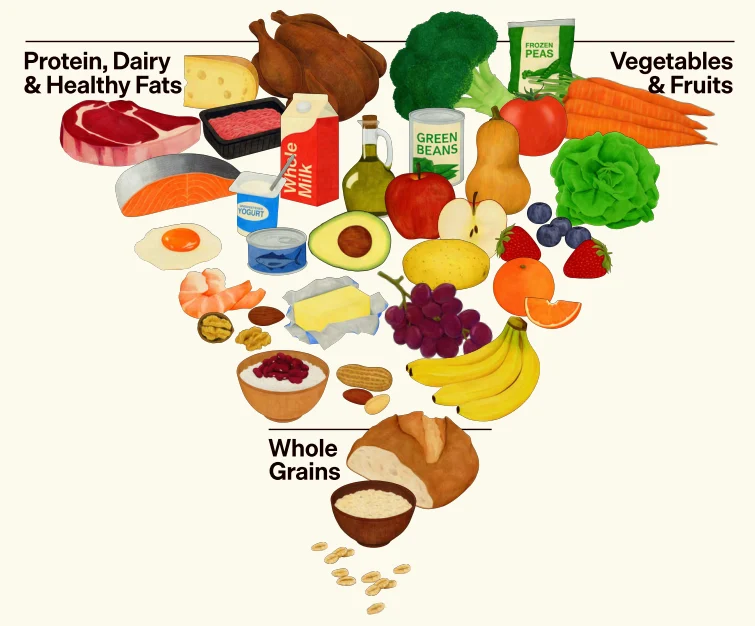
- Humanin Production: Elevated levels of humanin were most strongly associated with a high intake of olive oil, fish, and legumes.
- SHMOOSE Production: This protein responded most favorably to a diet rich in olive oil and characterized by a low intake of refined carbohydrates.
The research also highlighted the deleterious effects of refined carbohydrates—such as white bread, sugary snacks, and pastries. These foods, stripped of fiber and nutrients, cause rapid blood sugar spikes that interfere with healthy cellular metabolism. By replacing these with whole, minimally processed foods, the study participants maintained lower levels of oxidative stress—the cellular "rusting" process that damages DNA and proteins, accelerating the aging process.
Furthermore, the team identified a unique protective interaction: humanin appears to suppress the activity of Nox2, an enzyme responsible for producing damaging reactive oxygen species (ROS). By keeping Nox2 in check, humanin may serve as a natural cardiovascular shield, protecting blood vessels from inflammation.
Official Responses and Expert Perspectives
The research team, which included international collaborators from Sapienza University of Rome, emphasizes that this study offers a new framework for understanding the "cardioprotective" nature of the Mediterranean diet.
"These findings suggest that specific components of the Mediterranean diet may directly influence mitochondrial biology," says Dean Pinchas Cohen. "Humanin and SHMOOSE could serve as biomarkers for adherence to the Mediterranean diet and have clinical significance."
In the medical community, a biomarker is a gold-standard diagnostic tool. If physicians can measure humanin and SHMOOSE in a standard blood draw, they could potentially determine, with mathematical precision, how effectively a patient’s body is responding to their diet. This shifts the conversation from generalized nutritional advice to "precision nutrition," where dietary recommendations are tailored to an individual’s specific biological response.
Implications: A Global and Cellular Future
The implications of this study extend from the microscopic level of the cell to the global stage of public health policy.
The Dawn of Precision Nutrition
We are currently entering an era where one-size-fits-all dietary guidelines may become obsolete. By using mitochondrial peptides as biological markers, future nutritional scientists could design personalized dietary strategies that promote healthy aging at the molecular level. If a patient’s levels of humanin are low, a doctor might prescribe a specific increase in legumes or olive oil to "upregulate" the body’s natural protective mechanisms.
Bridging Culture and Biology
Beyond the lab, the study’s implications are being used to advocate for a more sustainable future. Dr. Vicinanza has been instrumental in collaborating with the municipality of Pollica, Italy—a UNESCO-designated hub for the Mediterranean diet—to establish the International Day of the Mediterranean Diet, observed annually on November 16th.
Vicinanza views the diet not just as a medical intervention, but as an evolutionary alignment. "We’re connecting centuries-old dietary traditions with cutting-edge molecular biology," he notes. "Healthy eating patterns with little to no ultra-processed foods reflect how humans have eaten over long periods and may create conditions to which mitochondria—ancient cellular organelles—are likely adapted."
A Note on Causality and Future Directions
While the findings are compelling, the research team is careful to note that this was an observational study. While it proves a strong association between the Mediterranean diet and higher peptide levels, it does not yet prove that the diet directly causes the increase. Other variables—such as physical activity, socioeconomic status, and genetics—could also play a role.
However, the team is already looking toward the next phase of research: clinical trials designed to test causality. By interventionally changing participants’ diets and monitoring their peptide levels in real-time, the researchers hope to confirm that the Mediterranean diet is indeed the primary driver of these beneficial molecular changes.
If confirmed, the "Mediterranean effect" will be established not just as a cultural tradition or a health fad, but as a fundamental biological necessity—a way to satisfy the ancient, evolutionary needs of our mitochondria, and in doing so, ensure a longer, healthier life.