








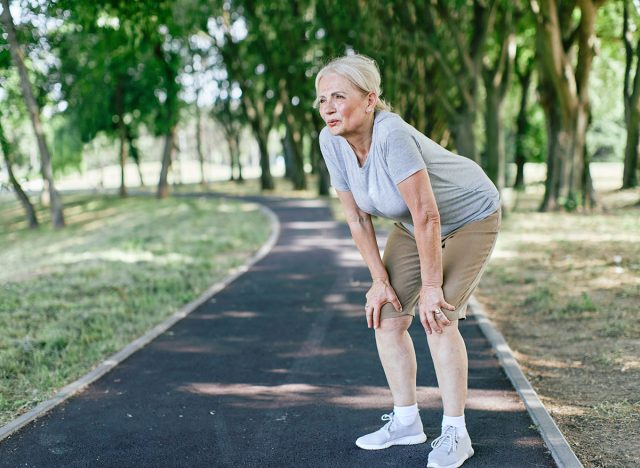
For many individuals, hitting the age of 60 brings with it an unwelcome companion: a noticeable, often frustrating decline in physical stamina. It is the moment you realize that the hike you once enjoyed now leaves you winded, the gardening project that used to take an afternoon now requires a full day of recovery, or the simple act of carrying groceries from the car to the kitchen results in an unexpected, breathless fatigue.
After nearly four decades as a professional personal trainer and 25 years at the helm of TRAINFITNESS, the UK’s leading fitness education provider, I have observed a universal pattern. The traditional approach to cardiovascular exercise—long, steady-state sessions on a treadmill or stationary bike—often fails to address the unique physiological requirements of the body after age 60. To truly regain your stamina, you must shift your perspective from "exercise" to "functional metabolic adaptation."
The Anatomy of the "Collapse Point"
The primary issue I see in clients over 60 is what I term the "collapse point." This is the invisible threshold where your energy tank suddenly runs dry. Unlike the gradual fatigue of a young athlete, this is a binary state: you are functioning normally one moment, and completely spent the next. There is no warning, only a sudden physiological deficit.

The Biological Drivers of Decline
This phenomenon is not merely a consequence of "getting older"; it is the result of three specific biological shifts:
- Sarcopenia and Muscle Loss: As we age, we naturally lose muscle mass. Muscle tissue is metabolically expensive, and when it shrinks, our baseline energy production drops.
- Mitochondrial Efficiency: Within our muscle cells are mitochondria—the microscopic power plants responsible for generating ATP, the fuel for every movement we make. With age, the number of these organelles declines, and their efficiency in converting nutrients to energy slows down.
- Sedentary Habits: Stamina is a "use-it-or-lose-it" biological system. If you do not demand high-level output from your body, it will reallocate resources away from those systems, effectively "downgrading" your capacity to match your current, low-demand lifestyle.
The Problem with Traditional Cardio
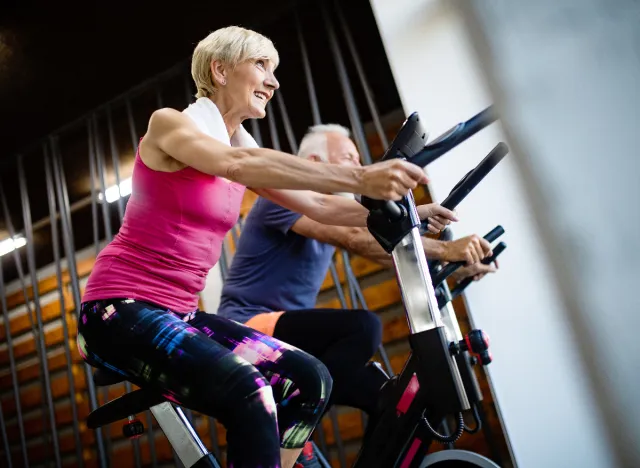
The fitness industry has long championed 45-to-60-minute steady-state cardio sessions. For the over-60 demographic, this approach is often counterproductive for three reasons:
- Joint Impact: Repetitive motion for an hour can exacerbate wear and tear on knees, hips, and ankles, leading to inflammation rather than fitness.
- Adherence Barriers: Boredom is the enemy of consistency. If a workout feels like a chore, you will eventually stop doing it.
- Lack of Muscular Stimulus: Traditional cardio rarely builds the muscle mass required to house the mitochondria necessary for lasting stamina.
The Five-Move Circuit: A New Paradigm
To rebuild stamina, we must integrate strength and cardiovascular demand into the same movement patterns. By utilizing short, daily bursts of high-intent movement, we train the heart to pump more efficiently while simultaneously challenging the muscles to produce power.
1. Sit-to-Stand for Time
This is the gold standard for functional longevity. It engages the quadriceps, glutes, and core—the largest muscle groups in your body.
- The Technique: Using a sturdy chair, stand up fully and sit back down with control. Do not use your hands for momentum unless necessary.
- The Goal: Aim for as many controlled repetitions as possible in 60 seconds. This builds explosive power and reinforces the hip hinge pattern essential for mobility.
2. Stair Step-Ups
Stairs are the great equalizer. If you can handle stairs with ease, you maintain your independence.
- The Technique: Use the bottom step of a staircase. Step up with one foot, bring the other to meet it, and step down. Alternate the lead leg.
- The Benefit: This is unilateral training, which improves balance and stability while forcing the heart rate to climb rapidly due to the gravity-defying nature of the move.
3. Wall Push-Up for Reps
Upper-body endurance is the missing link for daily tasks like carrying laundry or moving heavy objects.
- The Technique: Stand arm’s length from a wall. Place your palms flat against it and perform a push-up, keeping your core tight and your body in a straight line.
- The Benefit: It builds chest, shoulder, and triceps strength without the strain of floor-based push-ups, which can be difficult on the wrists and lower back.
4. Standing March with Punches
Ordinary walking is rarely enough to build cardiovascular stamina at 60. You need to involve the upper body to demand more oxygen.
- The Technique: March in place, lifting your knees to hip height. As you march, throw controlled, rhythmic punches into the air.
- The Benefit: By moving your arms and legs simultaneously, you force the heart to circulate blood to extremities in different planes of motion, exponentially increasing the cardiovascular demand.
5. Side Steps with Arm Swings
Most exercise occurs in the forward-backward plane. However, life requires lateral agility.
- The Technique: Take a wide step to the right, bring your feet together, then step to the left. As you step, swing your arms across your body in a rhythmic motion.
- The Benefit: This improves lateral stability and prevents falls by strengthening the hip abductors, a muscle group that often weakens significantly in sedentary adults.
Implementation: The "Daily" Philosophy
The secret to success is the shift from "workouts" to "movements." You do not need a gym membership; you need a consistent habit.
The Protocol
- The Circuit: Perform each of the five exercises for 60 seconds. Rest for 30 seconds between each move.
- The Volume: One complete circuit takes approximately 8 to 10 minutes. If you feel capable, perform a second round after a 60-second rest.
- The Frequency: Target six days a week. A Sunday rest day allows for tissue repair and neurological consolidation.
- The Supplemental Walk: A 20-minute brisk walk on most days provides the aerobic base that supports these higher-intensity intervals.
What to Expect: A Timeline of Change
The body is remarkably adaptive, even in later years. When you provide the correct stimulus, the results follow a predictable trajectory:
- Weeks 1–2 (Neural Adaptation): You will notice the routine feels easier. This is not necessarily a change in muscle size, but your nervous system becoming more efficient at coordinating the movements.
- Week 4 (Functional Capacity): You will experience less breathlessness during daily chores. Carrying groceries or climbing stairs will feel significantly less daunting.
- Weeks 6–8 (The Shift): The "collapse point" begins to recede. Where you once felt tired at 20 minutes of activity, you now feel capable of pushing to 30 or 40 minutes.
- Month 12 and Beyond (Physiological Rejuvenation): At the one-year mark, your mitochondrial density has likely increased, and your cardiovascular output has improved. Many of my clients report feeling physically 10 years younger, having effectively reversed a decade of "stamina atrophy."
Implications for Longevity
The implications of this training extend far beyond being "less tired." By prioritizing functional stamina, you are building a biological buffer against frailty. In medical terms, we are increasing your "VO2 Max"—a key predictor of mortality and long-term health.
When you invest in your stamina today, you are not just making your afternoon walk easier; you are ensuring your autonomy for the decades to come. The power to change your physical trajectory is not locked away in a high-end health club—it is waiting in your living room, one sit-to-stand at a time.