











Reviewed by Brian St. Pierre, MS, RD, and Helen Kollias, PhD
For many women in their late 40s and early 50s, the mental landscape begins to change. It starts subtly: a forgotten proper noun, a misplaced set of keys, or a sudden, unexplained inability to articulate a simple thought. For one woman, the experience was visceral: "It felt like my thoughts were trapped under a pile of garbage."
What begins as a frustrating "sludginess" during a dinner conversation often escalates into a full-blown crisis of productivity. Many women find themselves staring at computer screens, unable to process basic tasks, struggling with a haze that resembles the disorientation of waking from a deep sleep, only to find that the fog never lifts. This is not merely "aging"—it is a profound, systemic transition that is frequently misdiagnosed and misunderstood.
The Chronology of a Misdiagnosis
For the author of this experience, the path to clarity was arduous. After two years of seeking medical guidance, she found herself in a revolving door of clinics. She was prescribed a battery of antidepressants that left her feeling like a "zombie," and sleeping pills that only compounded her daytime lethargy. Blood tests for thyroid function and anemia came back normal. She tried every supplement promising to "sharpen the mind," yet the haze remained.
The breakthrough occurred during a routine gynecological exam. When she mentioned vaginal dryness—a classic, albeit often ignored, symptom of menopause—the clinician pivoted to a broader inquiry: How is your sleep? Your mood? Your energy levels?
The diagnosis was not depression, but menopause. Within days of beginning hormone therapy (estradiol and progesterone), the "switch" was flipped. The fog evaporated, her ability to follow complex conversations returned, and for the first time in years, she slept through the night. Her journey highlights a systemic failure in the medical community: the tendency to treat the symptoms of menopause as psychiatric disorders rather than physiological transitions.
The Anatomy of the Transition
Menopause is not a disease; it is a life stage. Defined as the point 12 months after a woman’s final period, it marks a significant hormonal shift. While cultural conversations often center on weight gain or decreased libido, the cognitive and emotional impact is staggering. According to the American College of Obstetricians and Gynecologists, approximately 40 percent of women report increased irritability, anxiety, and profound difficulty concentrating during this period.
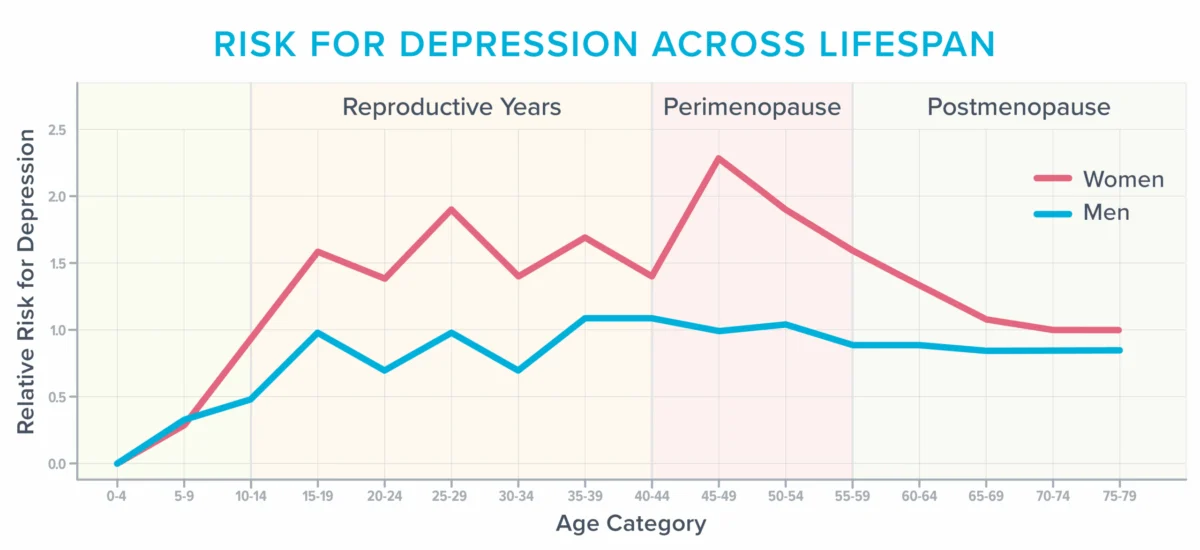
Research indicates that the perimenopausal years represent a peak vulnerability window for the development of depression, particularly in women with a prior history of mental health struggles. The cause is multifactorial: fluctuating estrogen levels affect neurochemistry, while the sheer weight of midlife—balancing peak career demands, raising children, caring for aging parents, and managing financial stress—siphons cognitive bandwidth.
The Vasomotor Connection
Perhaps the most overlooked factor in menopausal cognitive decline is the hot flash. Once dismissed as a mere "nuisance," vasomotor symptoms—which include hot flashes and night sweats—are now viewed by many specialists as a legitimate, treatable medical condition.
During a hot flash, norepinephrine and cortisol levels surge, blood pressure spikes, and the hypothalamus—the body’s internal thermostat—erroneously signals that the body is overheating. Recent studies have linked these events to more than just discomfort. MRI scans of women with frequent hot flashes have revealed an abundance of "white matter intensities," or lesions in the brain. These markers were previously dismissed as benign signs of aging, but modern neuroscience now identifies them as potential predictors of cognitive decline, dementia, and stroke.
Supporting Data: The Sleep-Brain Link
Frequent hot flashes, particularly at night, wreak havoc on sleep architecture. Often, these "night sweats" are not overtly sweaty; the hormonal surge jolts a woman awake before she can even register the heat. This fragmentation of sleep prevents the brain from consolidating memories and metabolizing toxins.

When the hippocampus—the brain’s learning and memory center—suffers from chronic sleep deprivation, cognitive performance plummets. Simultaneously, the amygdala becomes hyper-reactive, explaining why so many women suddenly feel "jumpy," easily enraged, or anxious about situations they previously navigated with ease.
The Professional Gap: Defensive Medicine
The difficulty in accessing care is exacerbated by a lack of specialized training. Surveys suggest that 80 percent of medical residents feel "barely comfortable" discussing menopause, and few residency programs provide comprehensive training on the subject.
This leads to "defensive medicine," where clinicians, fearful of litigation, shy away from prescribing hormone therapy (MHT). These concerns often stem from older, misinterpreted data regarding the risks of breast cancer and stroke. However, current clinical consensus—including guidelines from the North American Menopause Society—suggests that for women under 60 who are within 10 years of the onset of menopause, the benefits of MHT, including protection against osteoporosis and potentially Alzheimer’s disease, often significantly outweigh the risks.
Strategies for Advocacy and Health
To navigate this stage, women must take an active role in their care. The following strategies are recommended by experts:
1. Advocate for Evidence-Based Care
Seek out a practitioner certified by the Menopause Society. When meeting with your doctor, bring a detailed log of your symptoms, including frequency of hot flashes, quality of sleep, and cognitive lapses. Using data-driven language—such as "I wake five times a night" rather than "I don’t sleep well"—is more likely to prompt an effective clinical response.
2. Implement Lifestyle Fundamentals
While there is no "magic bullet" diet, the MIND and Mediterranean diets are associated with improved brain health. Prioritizing consistent morning light exposure helps regulate the circadian rhythm, while short, controlled bursts of movement can combat midday fatigue without triggering the adrenaline spikes associated with over-exertion.
3. Consider Evidence-Based Supplements and Therapies
Creatine monohydrate (5–7 grams daily) has shown promise in reducing mental fatigue and supporting mood in aging women. Additionally, Cognitive Behavioral Therapy for Insomnia (CBT-I) is a gold-standard approach for addressing the chronic sleep disturbances that fuel the "menopausal fog."
4. Downsize the "Life Audit"
Menopause is an invitation to reassess one’s capacity. By tracking time and energy expenditure, women can identify responsibilities that no longer serve them. Saying "no" is not just a boundary-setting exercise; it is a neurological necessity for those whose cognitive resources are being redirected toward systemic physiological adaptation.
Implications: A New Perspective
The "fog" of menopause is not a permanent state, nor is it a personal failure. It is a biological signal that the body is undergoing a significant metamorphosis. By moving beyond the outdated, defensive medical paradigms of the past and embracing a proactive, informed approach to hormone health and lifestyle management, women can navigate this transition with clarity.
For many, the other side of this transition is not a decline, but an opportunity. It is a time to prune the unnecessary, prioritize genuine well-being, and redefine the parameters of a successful life. As one patient noted, the exhaustion of the process forces a vital question: "Do I really need to be doing this?" The answer to that question may be the key to reclaiming one’s life.