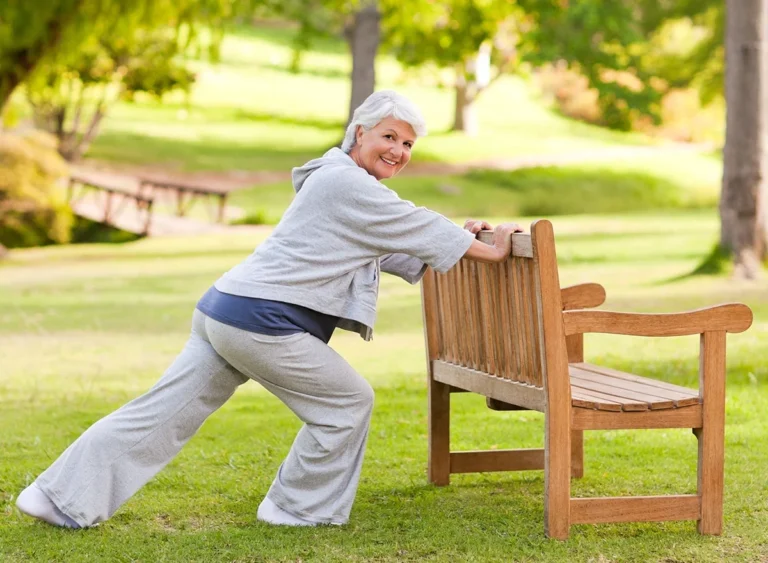











You don’t need a high-tech gym, a personal trainer on retainer, or a heavy barbell to fight the inevitable tide of age-related muscle loss. In fact, the most effective tools for maintaining your physical independence are likely already in your living room: a sturdy chair, a clear wall, and a simple resistance band.
As we move past the age of 60, our bodies undergo a profound physiological shift. The muscle mass that once felt effortless to maintain begins to slip away, not in a sudden collapse, but in a slow, silent retreat. One day, you might notice that the grocery bags feel slightly heavier, the flight of stairs to your bedroom seems steeper, or the simple act of rising from a sofa requires a bit more leverage than it did a decade ago.
This condition, known medically as sarcopenia, is a natural biological decline that typically begins in our 30s but accelerates significantly after the age of 60. However, modern sports science has provided a compelling rebuttal to the idea that physical decline is inevitable. According to the National Institute on Aging, consistent, targeted resistance training—even when devoid of heavy iron plates—is the gold standard for preserving muscle health, metabolic function, and long-term quality of life.
The Science of Sarcopenia: Why Muscle Matters
Sarcopenia is more than just a reduction in bicep size; it is a systematic decline in skeletal muscle mass and strength. As we age, the body becomes less efficient at synthesizing protein and repairing muscle fibers damaged during daily activity. Left unchecked, this can lead to decreased mobility, a higher risk of falls, and a diminished ability to perform activities of daily living (ADLs).
The implications are far-reaching. Muscle tissue acts as an endocrine organ, secreting hormones that regulate everything from blood sugar levels to bone density. By maintaining muscle mass, you are effectively protecting your metabolic health and skeletal integrity. The good news? You do not need to mimic the workouts of a professional bodybuilder to see results. The objective after 60 is functional preservation—building strength that translates directly into a higher quality of life.
Expert Insight: The Four-Exercise Morning Protocol
To demystify the process of strength training, we consulted James Bickerstaff, CPT, a personal trainer at OriGym. Bickerstaff has curated a specialized, four-move morning routine designed to hit every major muscle group while prioritizing joint safety and functional utility.
"A well-structured routine using just your body weight and a resistance band can be enough to preserve and even rebuild muscle after 60," Bickerstaff explains. "The key is to consistently challenge the muscles you use for everyday movements. We aren’t looking for maximal hypertrophy here; we are looking for functional resilience."
By dedicating just 15 minutes each morning to these four movements, you can create a systemic stimulus that signals to your body that it needs to hold onto its muscle mass.
1. Sit-to-Stand Squats: The Foundation of Independence
The "sit-to-stand" movement is the ultimate test of functional longevity. It targets the glutes, quadriceps, and core—the very muscles required to navigate the world safely.
The Mechanics
Bickerstaff notes that this exercise replicates the most important movement in a human’s day: standing up from a chair. By performing this with intention, you are training your body to maintain its ability to rise unassisted.
- How to perform: Position a sturdy chair against a wall to ensure it remains stationary. Stand with your feet hip-width apart. Slowly lower your hips toward the seat, keeping your chest upright and your knees tracking over your toes. As your glutes lightly touch the seat, pause for one second before driving through your heels to return to a full standing position.
- The Pro Tip: Do not let your body "collapse" into the chair. Control the descent to maximize the time under tension, which is the primary driver of muscle growth.
2. Wall Push-ups: Protecting the Joints
Traditional floor push-ups can be unforgiving on the wrists and shoulders of older adults. Wall push-ups provide the same upper-body engagement—targeting the chest, anterior deltoids, and triceps—without the punishing load of gravity.
The Mechanics
"Wall push-ups are a brilliant upper-body exercise because they strengthen the chest, shoulders, triceps, and core without placing excessive stress on the joints," Bickerstaff says. "They are ideal for rebuilding strength safely while still providing enough resistance to stimulate muscle growth."
- How to perform: Stand facing a wall, about an arm’s length away. Place your palms flat against the wall at shoulder height. Keeping your core engaged and your body in a straight line, slowly bend your elbows to bring your chest toward the wall. Push back to the starting position with a steady, controlled motion.
- The Pro Tip: The further your feet are from the wall, the more difficult the move becomes. Adjust your foot placement to find the "sweet spot" of challenge.
3. Step-ups: Mobility and Coordination
Adding a cardiovascular component to your strength work is vital. Step-ups mimic the act of climbing stairs, a task that often becomes difficult for those experiencing sarcopenia.
The Mechanics
Research indicates that incorporating movement that challenges balance and coordination can lead to better overall strength gains. Step-ups engage the legs unilaterally, which helps correct muscular imbalances that can occur if one leg is slightly stronger than the other.
- How to perform: Using a sturdy, low platform or the bottom step of a staircase, place one foot firmly on the step. Drive through that heel to lift your body up, bringing the second foot to join it. Step back down with control.
- The Pro Tip: Focus on the "down" phase. The eccentric (lowering) portion of the movement is where much of the muscle-strengthening work occurs.
4. Resistance Band Rows: Correcting the "Tech-Neck"
Modern life often involves a lot of sitting, which leads to rounded shoulders and weakened muscles in the upper back. Resistance band rows are the antidote to the "slumped" posture that often accompanies aging.
The Mechanics
"Resistance band rows help reverse muscle loss by strengthening the muscles between your shoulder blades while improving pulling strength for everyday activities," says Bickerstaff. Strengthening the posterior chain (the back of the body) is essential for maintaining an upright, confident posture.
- How to perform: Sit on the floor with your legs extended, or stand with feet shoulder-width apart. Wrap the resistance band around a sturdy post (or your feet if seated). Grasp the handles and pull the band toward your ribcage, squeezing your shoulder blades together at the peak of the movement. Release slowly.
- The Pro Tip: Keep your elbows tucked close to your sides throughout the movement to ensure you are targeting the lats and rhomboids, rather than over-relying on the biceps.
Implications for Long-Term Health
The implications of this routine extend far beyond the morning hours. By adopting a consistent, low-impact resistance training schedule, you are effectively "future-proofing" your body.
Supporting Data
According to recent studies published in the Journal of Gerontology, older adults who engage in regular resistance training see significant improvements in gait speed, balance, and bone mineral density. The National Institute on Aging emphasizes that even small, incremental increases in muscle mass can lead to a 20-30% reduction in the risk of falls—the leading cause of injury-related hospitalizations among those over 65.
Official Guidance
Health professionals and gerontologists generally agree that the "dose" of exercise required for benefits is lower than many assume. The goal is not to train until exhaustion, but to train until you feel a "meaningful challenge." By utilizing tools like resistance bands, you control the tension, allowing for progressive overload—the process of slightly increasing the difficulty over time—without the risk of dropping heavy weights.
Conclusion: Starting Your Journey
The journey to maintaining muscle after 60 is not a race; it is a marathon of consistency. You do not need to overhaul your entire lifestyle. Start by performing these four moves for two sets of 10 repetitions, three to four mornings a week. Listen to your body, prioritize your form over the number of repetitions, and treat your morning routine as an act of self-preservation.
As Bickerstaff concludes, "The body is incredibly adaptable. Even in your 60s, 70s, and 80s, it wants to be strong. You just have to give it a reason to stay that way." By investing fifteen minutes a day in these functional movements, you aren’t just fighting muscle loss—you are reclaiming your independence and ensuring that your later years are defined by mobility and vitality.