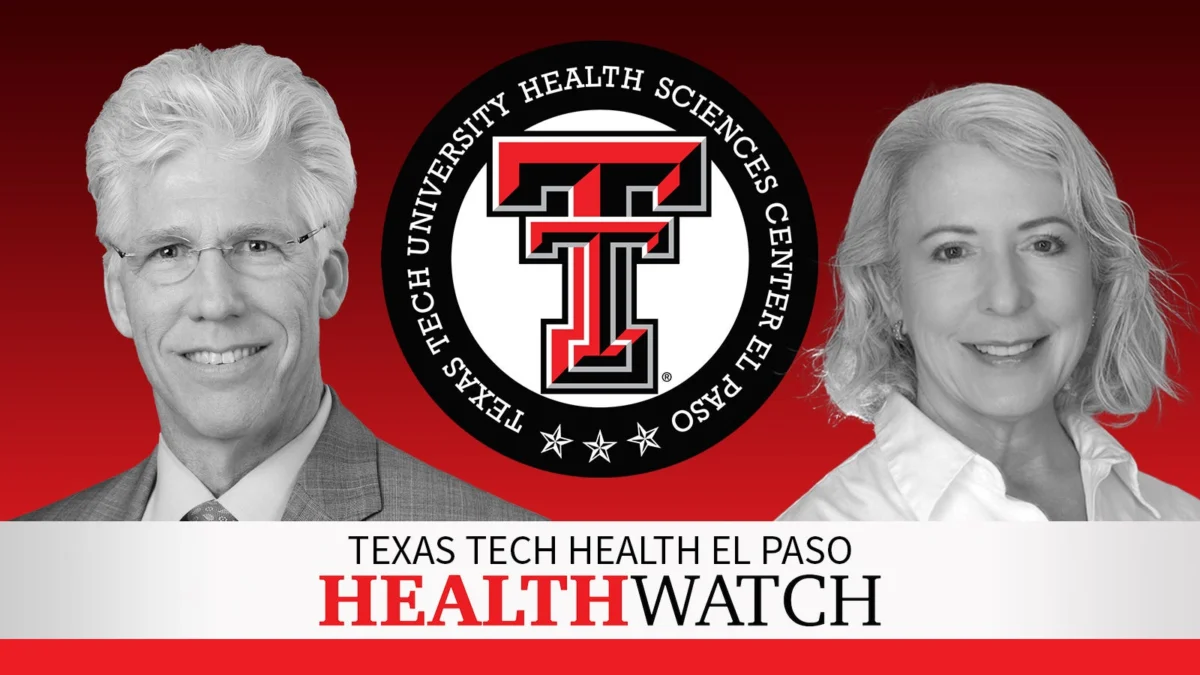
The landscape of modern medicine is shifting at a breakneck pace, driven by innovative pharmacological interventions and a deeper understanding of chronic disease prevention. In this week’s edition of TTHealthWatch, a podcast produced by Texas Tech University Health Sciences Center, hosts Elizabeth Tracey, director of electronic media for Johns Hopkins Medicine, and Dr. Rick Lange, president of Texas Tech Health El Paso, break down the most significant medical research currently impacting clinical practice.
This week’s discourse spans four critical areas: the revolutionary potential of gene editing for hypercholesterolemia, the rising clinical awareness of cannabis-induced hyperemesis, a novel anti-inflammatory approach for polymyalgia rheumatica (PMR), and the definitive link between midlife vascular health and long-term cognitive vitality.
I. Breakthroughs in Anti-Inflammatory Care: Polymyalgia Rheumatica
Polymyalgia rheumatica (PMR) is the second most common idiopathic inflammatory rheumatic disease, trailing only rheumatoid arthritis. Predominantly affecting individuals over age 50—with a higher incidence among women—the condition manifests as debilitating stiffness and pain in the pelvic girdle, shoulders, and back.
The Clinical Challenge
Historically, the frontline treatment for PMR has been systemic corticosteroids. However, the reliance on steroids presents a therapeutic dilemma: at least 50% of patients experience a recurrence of symptoms once they attempt to taper off the medication. Furthermore, untreated or poorly managed PMR can lead to giant cell arteritis, a condition that threatens the temporal arteries and significantly increases the risk of stroke.
The New Therapeutic Frontier
Recent findings published in the New England Journal of Medicine suggest that the monoclonal antibody secukinumab (Cosentyx)—already established in treating other autoimmune conditions—may be a game-changer. By specifically targeting interleukin-17A, a molecule implicated in the inflammatory cascade of PMR, researchers conducted a study involving 381 patients suffering from recurrent PMR.
The data indicated that patients treated with secukinumab were twice as likely to achieve complete remission and successfully discontinue steroid therapy compared to those on a placebo. The remission achieved at 12 weeks proved durable, lasting through the 52-week follow-up period. Notably, the side effect profile was favorable, with no significant difference observed between the treatment and control groups, bolstering the potential for this drug to serve as a sustainable, long-term therapeutic agent.
II. Cannabis Hyperemesis Syndrome: Decoding the Data
As the legal status of cannabis continues to evolve globally, so too does the medical community’s ability to track its associated health complications. A recent report in the Morbidity and Mortality Weekly Report (MMWR) highlights an apparent fourfold increase in emergency department (ED) visits related to Cannabis Hyperemesis Syndrome (CHS).
The Coding Conundrum
The sharp spike in documented cases—from 3.35 per 10,000 ED visits to 11.26—is largely attributed to the implementation of a specific ICD-10 diagnosis code for CHS, effective October 2025. Previously, clinicians had to rely on a combination of disparate codes—one for "persistent vomiting" and another for "cannabis use"—which frequently resulted in underreporting.
Clinical Implications
CHS is characterized by severe, cyclical nausea and vomiting, typically associated with long-term, heavy cannabis consumption. The MMWR analysis revealed that the syndrome is most prevalent among the 15-to-24-year-old demographic. While the surge in reported cases is a direct result of improved administrative tracking, it also serves as a critical educational tool for emergency physicians.
The report underscores a concerning trend: symptoms may now appear much earlier than previously documented, sometimes within the first year of cannabis use. Contrary to popular belief, the potency of the cannabis does not seem to correlate as strongly with the onset of symptoms as the frequency and duration of use.
III. The Future of Cardiology: Gene Editing for Hypercholesterolemia
For patients struggling with hypercholesterolemia, the standard of care has transitioned from statins to PCSK9 inhibitors—injectable biologics that help the liver clear LDL cholesterol from the blood. However, a Phase I study published in the New England Journal of Medicine suggests a move toward something more permanent: gene editing.
Mechanism of Action
The study involved 35 patients who remained hypercholesterolemic despite being on optimized lipid-lowering therapies. Researchers employed a nanoparticle-encased gene-editing tool designed to target the liver. Once the nanoparticle reaches the liver, the protein "nicks" the gene responsible for producing the PCSK9 protein, effectively silencing its production.
Results and Safety
The findings demonstrated a dose-dependent reduction in LDL cholesterol, with higher doses yielding an 85% to 90% inhibition of PCSK9 production. For many patients, these results remained durable for at least one year. While the prospect of "fixing" a genetic predisposition to high cholesterol is enticing, the research team emphasizes that this is a Phase I study. Extensive off-target effect testing in animal models showed no major safety concerns, but long-term, large-scale human trials are required to ensure the technique remains safe and effective over the patient’s lifespan. If successful, this could reduce the risk of cardiovascular events by 50% to 75%.
IV. Vascular Health as a Predictor of Dementia
In the field of neurology, the Atherosclerosis Risk in Communities (ARIC) study has provided one of the most compelling arguments for proactive health management. The study followed over 12,000 participants to determine the impact of midlife vascular risk factors on long-term cognitive health.
The "Three Pillars" of Risk
The study focused on three primary vascular risk factors measured at age 55:
- Hypertension
- Diabetes
- Cigarette smoking
Participants were monitored through cognitive assessments and continuous surveillance over a median period of 26.3 years. The results were striking: individuals with these three risk factors faced a nearly threefold increased risk of dementia and a sixfold increased risk of death without dementia compared to those with zero risk factors.
13 Years of Cognitive Clarity
Perhaps the most significant takeaway is the concept of "dementia-free survival." The researchers found that maintaining optimal vascular health during middle age is associated with an additional 13 years of dementia-free life.
The data also highlighted demographic disparities, noting that while women generally live longer dementia-free than men, Black participants faced shorter dementia-free survival periods compared to their white counterparts, underscoring the need for equitable access to early preventative care. With 42% of U.S. middle-aged adults projected to develop some form of dementia, the message from the research is clear: managing blood pressure, preventing diabetes, and avoiding smoking are not just heart-health strategies—they are the most effective cognitive preservation strategies available today.
V. Implications and Future Directions
The synthesis of these four reports reveals a broader theme in medicine: the shift toward precision and prevention.
- Multipurposing Pharmacology: The use of secukinumab for PMR demonstrates the value of understanding the underlying inflammatory pathways shared across diverse conditions.
- Administrative Accuracy: The shift in cannabis coding is a reminder that clinical data quality is the foundation of public health awareness.
- Genetic Permanence: Gene editing represents the ultimate "cure," moving away from lifelong medication toward single-intervention solutions for chronic conditions.
- The Power of Lifestyle: The dementia study reinforces that while technology advances, the most significant impact on public health still comes from controlling modifiable vascular risks.
As Dr. Rick Lange noted in the closing of the TTHealthWatch podcast, the goal of modern medicine is not merely to extend life, but to extend the period of healthy, high-functioning life. By starting early—whether through managing blood pressure in middle age or developing long-term strategies for inflammatory disease—the medical community is moving closer to a reality where chronic disease is not an inevitability of aging, but a manageable or preventable condition.