









In the summer of 2026, the United States faces its most significant public health challenge in recent memory regarding foodborne pathogens. A sweeping Cyclospora outbreak has surged across 15 states, sickening more than 22,000 individuals and tragically contributing to at least two deaths in Michigan. As public health officials scramble to trace the contamination, a growing body of scientific evidence points toward a systemic vulnerability: the circular relationship between human waste, modern sewage treatment, and the irrigation of the nation’s produce supply.
The Mechanics of an Outbreak: A Self-Perpetuating Cycle
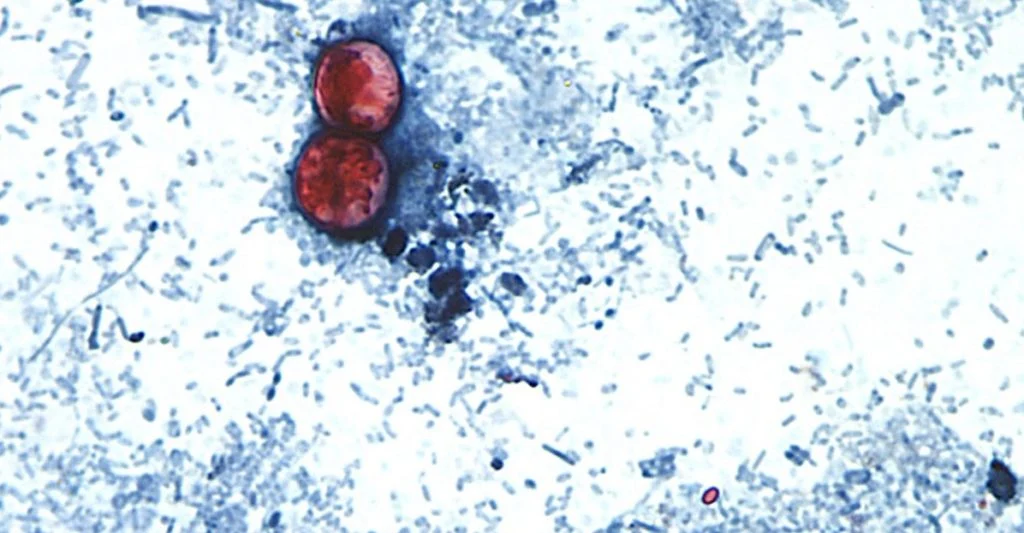
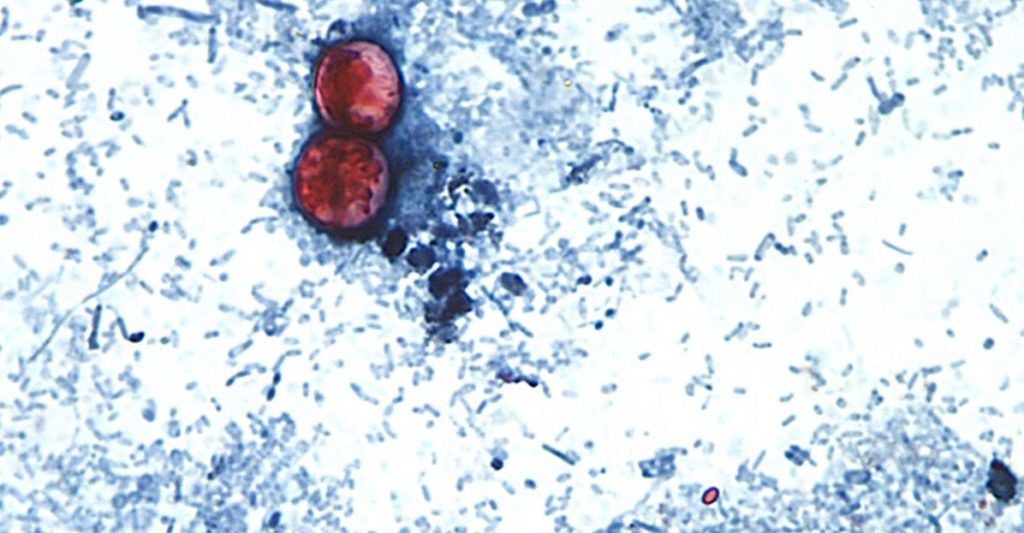
Cyclospora cayetanensis is a unique, single-celled protozoan parasite that infects only humans. Unlike bacteria, which may replicate on food surfaces under the right conditions, Cyclospora relies on the human intestinal tract for its reproductive phase. An infected person sheds oocysts—the hardy, egg-like stage of the parasite—through their feces.
Once these oocysts enter the sewage system, the path to the dinner table is often shorter than most consumers realize. In many regions of the United States, particularly those grappling with water scarcity, treated wastewater is recycled to irrigate crops. The critical failure in this cycle is that standard municipal sewage treatment is frequently ill-equipped to eliminate Cyclospora oocysts.
Once released into the environment, these oocysts require warm temperatures to mature—a process that takes roughly one week. After this maturation, they become infectious. If the contaminated water is used on leafy greens or other fresh produce, the parasite completes its journey from the human gut, through the waste stream, back into the food supply, and into a new host, perpetuating a cycle that is becoming increasingly difficult to contain.
A Historical Perspective: From Florida to the Present
The current crisis is not entirely unprecedented, though its scale is staggering. The first documented U.S. outbreak occurred in 1995, involving a small cluster of 45 cases in Florida. Initially, investigators suspected California-grown strawberries, but forensic epidemiological work eventually pointed to imported raspberries from Guatemala. That initial discovery triggered a series of larger outbreaks in 1996 and 1997, revealing how little was understood about the resilient protozoan.
Over the three decades that followed, Cyclospora transitioned from a medical curiosity to a significant food safety threat. The current 2026 outbreak represents the largest in history, forcing a national reckoning with how we handle the intersection of sanitation infrastructure and agricultural practices.
Wastewater Surveillance: The New Frontier in Public Health
For water microbiologists, the sewage system acts as a "community health sensor." By analyzing wastewater, researchers can determine the prevalence of pathogens within a population before they manifest as a full-blown clinical outbreak. This method was perfected during the COVID-19 pandemic, where testing for SARS-CoV-2 in untreated sewage provided early warnings of infection surges and variant emergence.
However, monitoring Cyclospora presents distinct technical hurdles. The parasite is notoriously difficult to detect; even advanced laboratory techniques, such as real-time PCR, often struggle to isolate low concentrations of oocysts. Despite these challenges, researchers are finding the parasite in up to 25% of sewage samples globally. An infected individual can shed between 100 and 10,000 oocysts per gram of feces for up to 60 days. Microbiologists estimate that in a municipal system, this could translate to anywhere from 1 to 100 oocysts per liter of wastewater.
Researchers at institutions like Michigan State University are currently pioneering new methods to detect the parasite at significantly lower levels. This surveillance is essential for two reasons: it provides an early warning system for the onset of an outbreak and helps officials identify when an outbreak is finally beginning to subside.
The Failure of Standard Treatment Processes
One of the most concerning revelations in the current crisis is the inadequacy of existing sewage treatment protocols. Data from long-term studies on related protozoa—specifically Cryptosporidium and Giardia—provide a grim blueprint for how Cyclospora survives.
In studies conducted at wastewater treatment plants in Arizona, California, and Florida, researchers found that while some treatment processes successfully removed a portion of these protozoa, they were far from sterilized. Crucially, chlorination—the standard disinfection method used by most municipal plants—does not kill these parasites. Their tough outer shells allow them to pass through the treatment process, remaining intact and viable even after the water is discharged back into the environment.
When this "treated" water is used to irrigate crops, the risk of contamination is significant. With over 200 billion gallons of treated wastewater utilized for agricultural irrigation across the U.S. annually, the potential for exposure is immense.
The Climate Factor: Heat Domes and Pathogen Maturation
The environmental aspect of Cyclospora is exacerbated by a changing climate. As heat domes and extreme weather events become more frequent, the conditions for Cyclospora to flourish have improved. Because oocysts require warmth to mature into their infectious stage, rising ambient temperatures act as a catalyst, shortening the time between excretion and potential re-infection.
Furthermore, extreme weather creates a "double-jeopardy" scenario. Heavy rainfall and flooding often lead to sanitary sewer overflows, where untreated waste bypasses treatment plants entirely and enters surface waters used for farming. Conversely, droughts force regions to rely more heavily on recycled wastewater for agriculture, increasing the frequency of exposure to treated—but still potentially hazardous—water.
Policy, Regulation, and the Path Forward
The current regulatory landscape is fragmented. While some states have implemented rigorous standards for water reuse, many others lack specific mandates regarding the monitoring of protozoan parasites in discharged wastewater. The food safety industry has begun looking at ultraviolet (UV) light as a potential solution, as it has shown promise in inactivating Cryptosporidium and other surrogate protozoa. However, the widespread adoption of UV treatment requires significant infrastructure investment that many municipalities have yet to prioritize.
Public health experts argue that a multi-pronged approach is necessary to break the cycle:
- Enhanced Wastewater Monitoring: Federal agencies must standardize the testing of municipal wastewater for Cyclospora to provide a national early-warning system.
- Infrastructure Upgrades: Transitioning from traditional chlorination to more effective disinfection methods, such as UV radiation and advanced membrane filtration, is essential for water intended for agricultural use.
- Strict Agricultural Standards: Regulations governing the use of reclaimed water must be updated to account for the specific biological risks posed by protozoan parasites, rather than focusing solely on bacterial pathogens like E. coli.
- Improved Detection Tech: Continued investment in rapid, high-sensitivity diagnostic tools will allow for faster identification of contamination hotspots before produce reaches the retail market.
As the nation grapples with the fallout of the 2026 outbreak, the lesson is clear: the safety of the food supply is inextricably linked to the integrity of our water systems. Without a modernized approach to how we treat and reuse wastewater, the "self-perpetuating cycle" of Cyclospora will remain a recurring, and potentially deadly, feature of the American food landscape. Addressing this invisible threat requires more than just clinical caution—it demands a fundamental redesign of the infrastructure that connects our cities to our fields.