











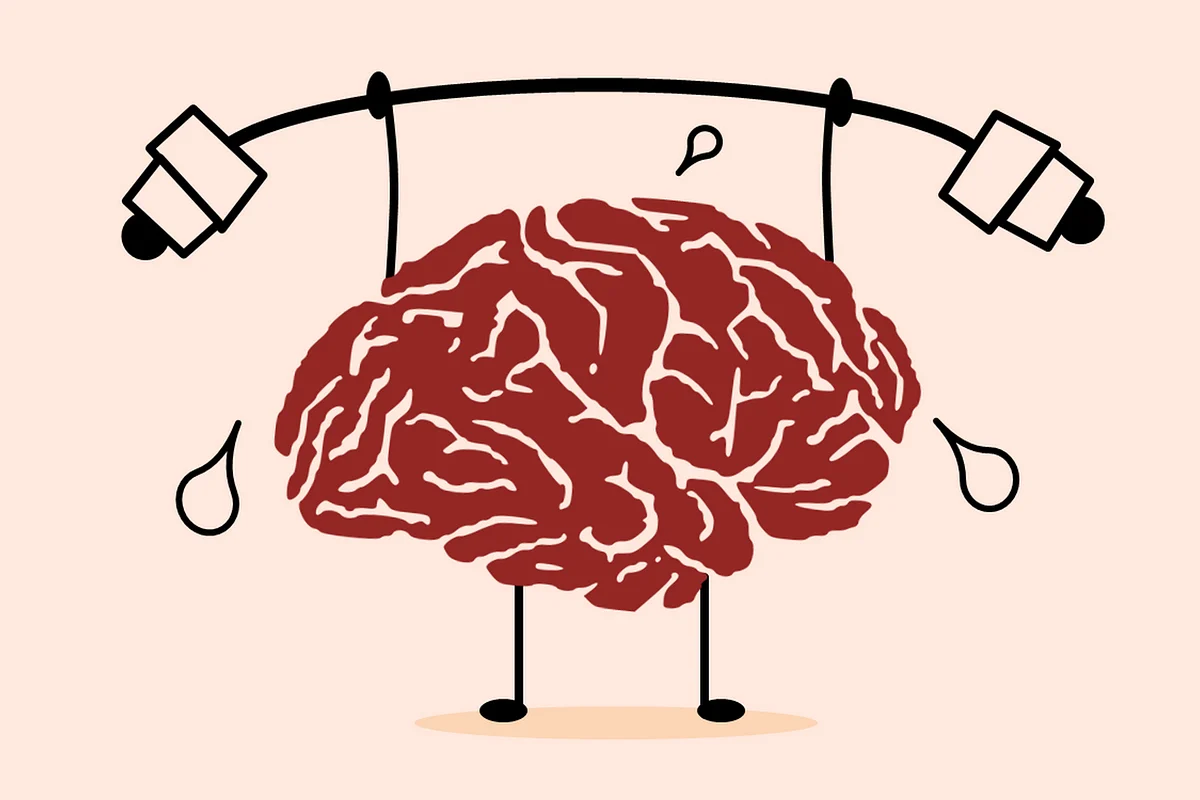
For decades, the public health narrative surrounding exercise has been dominated by physical aesthetics and cardiovascular metrics. We are conditioned to measure the success of a workout by the number on a scale, the definition of a muscle, or the endurance of our heart rate. However, a growing body of neuroscientific research is shifting this paradigm, suggesting that the most profound transformations brought about by physical activity occur not in the mirror, but within the intricate folds of the human brain.
As researchers delve deeper into the intersection of physiology and neurology, physical activity is increasingly being recognized as the most effective non-pharmacological strategy for maintaining cognitive vitality, emotional stability, and intellectual performance across the human lifespan.
The Biological Mechanism: How Movement Feeds the Mind
To understand why exercise is a "brain-builder," one must look at the physiological cascade triggered by physical exertion. When you engage in movement, your heart rate elevates, acting as a high-pressure pump that pushes oxygenated, nutrient-dense blood into the cerebral cortex. This surge in circulation is vital; the brain, while accounting for only about 2% of total body weight, consumes roughly 20% of the body’s oxygen and glucose.
The Role of BDNF: Fertilizer for Your Neurons
Perhaps the most significant discovery in recent years is the role of Brain-Derived Neurotrophic Factor (BDNF). Often described by neuroscientists as "Miracle-Gro for the brain," BDNF is a protein that plays a critical role in neuroplasticity—the brain’s ability to reorganize itself by forming new neural connections.
Exercise stimulates the production of BDNF, which acts to support the survival of existing neurons and encourages the growth of new synapses. This is the physiological basis for improved memory, faster learning, and the retention of complex information. When we exercise, we are essentially creating a biological environment that is primed for intellectual growth.
Chronology of Cognitive Preservation: From Childhood to Aging
The relationship between movement and the brain is not static; it evolves alongside our biological development.
- Early Development: Studies indicate that physical activity in childhood and adolescence is linked to increased grey matter volume, particularly in the hippocampus, the area responsible for learning and memory.
- Adulthood: In the prime of life, exercise acts as a stabilizer for executive function. It helps maintain the cognitive "workspace" required for multitasking, decision-making, and high-level problem solving.
- The Aging Process: As we enter our later years, the focus shifts from growth to preservation. Chronic inflammation and vascular issues pose significant threats to cognitive health. Regular, moderate physical activity combats these threats by improving insulin sensitivity, reducing systemic inflammation, and preserving the integrity of the blood-brain barrier.
Recent longitudinal studies have shown that individuals who maintain a consistent exercise regimen throughout adulthood exhibit significantly slower rates of hippocampal atrophy compared to sedentary peers. This has led to the compelling hypothesis that physical activity acts as a potent buffer against the onset of neurodegenerative conditions, such as Alzheimer’s and vascular dementia.
The Neurochemistry of Mood: Beyond "Runner’s High"
The mental health implications of exercise are equally staggering. Beyond the well-known "runner’s high" attributed to endorphins, exercise functions as a complex regulatory system for the brain’s neurotransmitter environment.
Managing the Cortisol Loop
Modern life is characterized by chronic, low-grade stress. This keeps the body in a state of high cortisol—a hormone that, when elevated for long periods, can be toxic to the hippocampus. Physical activity helps to break this cycle. By providing an outlet for the "fight or flight" energy that accumulates during a stressful workday, exercise lowers cortisol levels and promotes the release of serotonin and dopamine.
These neurotransmitters are the brain’s natural mood stabilizers. Regular exercise has been shown in clinical trials to be as effective as some pharmacological interventions in managing mild-to-moderate depression and anxiety, providing a pathway to emotional regulation that is sustainable and side-effect-free.
Data-Driven Insights: Quantifying the Cognitive Edge
Evidence supporting the brain-exercise link is no longer anecdotal. Institutional research has provided clear benchmarks for what this looks like in practice.
Executive Function and Productivity
Research into "executive function"—the mental processes that enable us to plan, focus attention, and juggle multiple tasks—shows that these skills are sharpened by aerobic activity. A meta-analysis of office-based studies found that workers who engaged in as little as 20 minutes of moderate activity during the day reported higher levels of concentration and better problem-solving abilities than those who remained sedentary.
The Impact of Sedentary Behavior
Conversely, the "sitting disease" is a significant threat to cognitive health. Prolonged sitting is associated with reduced cerebral blood flow and a decrease in BDNF production. The data suggests that even if one exercises for an hour in the morning, eight hours of uninterrupted sitting can negate some of the neurological benefits gained. The implication is clear: frequency of movement matters as much as the intensity of the workout.
Official Perspectives: Shifting Public Health Guidelines
Health organizations, including the World Health Organization (WHO) and the Centers for Disease Control and Prevention (CDC), have updated their Physical Activity Guidelines to reflect these cognitive findings. The current recommendation of 150 minutes of moderate-intensity exercise per week is no longer framed solely through the lens of heart disease or obesity prevention; it is now presented as a foundational requirement for mental well-being and cognitive longevity.
Experts are increasingly advocating for "exercise snacking"—short, intense bursts of activity—to integrate movement into the modern, busy lifestyle. The science suggests that a five-minute walk, a flight of stairs, or a quick set of bodyweight exercises serves as a "mental reset button," clearing the fog of cognitive fatigue and allowing for a renewed focus on complex tasks.
Implications: The Long-Term Investment
The long-term implications of these findings are profound. We are looking at a future where physical movement is prescribed with the same clinical rigor as medication.
- Educational Reform: Schools that incorporate movement breaks are seeing higher academic performance and better behavioral regulation among students.
- Corporate Wellness: Companies that prioritize "active" workspaces are reporting higher rates of innovation and lower rates of burnout.
- Preventative Medicine: As the global population ages, the potential for exercise to reduce the economic and social burden of dementia is a public health priority of the highest order.
Conclusion: A Shift in Motivation
The next time you find yourself debating whether to head to the gym, go for a run, or simply take a walk around the block, move past the calorie-counting mindset. Instead, view that movement as a deliberate investment in your cognitive future.
You are not merely training your muscles to lift heavier weights or your lungs to hold more air. You are nourishing your brain with the oxygen and neurochemicals it requires to function at its peak. You are protecting your memories, sharpening your wit, and fortifying your mind against the inevitable pressures of time.
In the final analysis, your body is the vessel, but your brain is the pilot. Taking care of the vessel is the surest way to ensure the pilot remains sharp, capable, and ready for whatever the journey holds. The most effective "smart pill" in existence isn’t found in a pharmacy; it is found in the simple, rhythmic act of moving your body.