









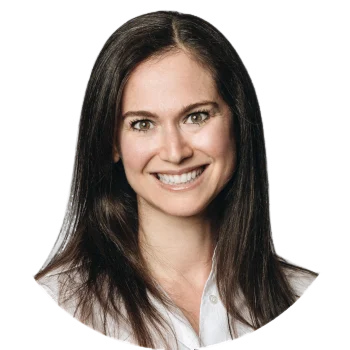
As October marks the annual observance of "Work-Family Month," the challenges faced by the millions of Americans balancing professional obligations with the needs of loved ones have moved from the periphery to the center of corporate discourse. On the latest episode of the Caregiving Club On Air podcast (Season 6, Episode 76), host Sherri Snelling sits down with Lindsay Jurist-Rosner, Founder and CEO of Wellthy, to dissect the critical intersection of professional productivity and the demanding reality of "lifespan caregiving."
The New Reality: Defining Lifespan Caregiving
The traditional view of caregiving—often narrowly defined as caring for an aging parent—has been fundamentally disrupted. In today’s workforce, caregiving is increasingly understood as a "lifespan" responsibility. This encompasses a continuum of care that includes children, spouses, siblings, and aging relatives.
The scope of this demographic is staggering. Current estimates suggest that more than 63 million Americans are providing care for an adult, while an additional 72 million are raising children. Crucially, these groups overlap, creating the "Sandwich Generation," and the complexity is growing: one in six parents is currently navigating the demands of raising a child with complex medical or developmental needs.
During the interview, Jurist-Rosner emphasized that "lifespan caregiving" is no longer an outlier experience; it is a structural reality of the American workforce. As employees struggle to coordinate healthcare appointments, secure emergency back-up, and manage long-term care plans, the impact on their professional performance and mental health becomes unavoidable.

Chronology of the Caregiving Shift
The integration of caregiving support into the corporate benefits package has been a slow but steady evolution:
- Pre-2020: Caregiving was largely treated as a private, domestic issue. Employee assistance programs (EAPs) existed, but they rarely provided the granular, high-touch navigation services required for complex medical systems.
- The Pandemic Catalyst: The COVID-19 pandemic served as a major inflection point, forcing managers to confront the "hidden" caregiving duties of their staff. Remote work blurred the lines between the office and the home, making the invisible labor of caregiving visible.
- The Post-Pandemic Era: Companies began recognizing that retention and productivity are inextricably linked to family stability. This led to the rise of specialized care-navigation platforms, such as Wellthy.
- The Strategic Expansion: In a significant market move, Wellthy recently acquired Cleo, a platform specializing in childcare and family support. This merger signals a shift toward a "one-stop-shop" model, acknowledging that the needs of a caregiver are fluid—shifting from pediatric support to eldercare and disability management over the course of a career.
Supporting Data: The Magnitude of the Challenge
The data underscores why employers are moving toward more robust caregiving benefits. According to recent research discussed on the Caregiving Club platform:
- Productivity Loss: Employees who act as primary caregivers report significant "presenteeism," where they are physically present at work but mentally preoccupied with caregiving logistics.
- The "Complex Needs" Factor: With 1 in 6 parents caring for children with complex needs, the traditional 9-to-5 model is often incompatible with the required medical advocacy, therapies, and school meetings these parents must attend.
- Financial Impact: The financial strain on caregivers is immense. Respite care, medical supplies, and legal advocacy often fall on the family, leading to high rates of burnout and early retirement among mid-to-senior level employees.
- Retention Rates: Studies suggest that companies offering robust, personalized caregiving benefits see a marked increase in employee loyalty and a decrease in turnover costs, which often outweigh the price of the benefit itself.
Official Perspectives: The Wellthy Approach
Lindsay Jurist-Rosner, through her leadership at Wellthy, advocates for a radical shift in how benefits are delivered. She argues that providing a list of resources is insufficient. Instead, she promotes "care navigation"—a service where expert advisors act as an extension of the family, helping to manage the complex, often broken, healthcare and social service systems.
"It is about more than just finding a daycare or a nursing home," Jurist-Rosner noted during the interview. "It is about the logistical burden of the health system, the insurance appeals, the coordination of care, and the emotional support required to keep a family unit functioning."
By integrating these services into employer-sponsored benefit packages, companies are acknowledging that the "whole employee" brings their entire life to work. This sentiment is echoed by workplace experts who suggest that moving from a "benefits checklist" to a "culture of care" is the defining challenge for human resources departments in the next decade.
Implications for the Future of Work
The conversation on Caregiving Club On Air highlights several key implications for the future of the workplace:
1. The Death of "One-Size-Fits-All"
As Snelling and Jurist-Rosner discuss, a singular approach to family leave is no longer adequate. A millennial employee caring for an aging grandparent has vastly different needs than a Gen X employee managing their own health and their children’s education. Future workplace policies must be modular and flexible to accommodate these diverse life stages.
2. The Role of Management
Middle managers are the frontline in the caregiving crisis. They are often the first to notice when an employee is struggling. The implication is clear: management training must now include "empathetic leadership" and an understanding of how to signpost caregiving resources. If a manager is not equipped to support a caregiver, the best benefits package in the world will go underutilized.
3. Caregiving as a Productivity Tool
Rather than viewing caregiving support as a "cost center," forward-thinking organizations are beginning to view it as a productivity investment. By removing the "cognitive load" of care coordination from the employee, companies allow staff to dedicate their full focus to their professional roles.
Recognizing Success: Caregiving Club On Air
The relevance of these discussions is underscored by the success of the Caregiving Club On Air podcast itself. Recently ranked #3 among the top 80 caregiving podcasts by Feedspot, the program has become a vital resource for both professional caregivers and those navigating the personal journey.
Host Sherri Snelling has expanded the platform’s reach to include a dedicated YouTube channel, Caregiving Club News. This move reflects the broader trend in media consumption: users want accessible, visual, and concise updates on research, legislative shifts, and wellness hacks. Whether through the "Self-Care in 7 Minutes" video series or deep-dive interviews with industry leaders, the mission remains consistent: to validate the experience of the caregiver and provide the tools necessary to survive and thrive.
Concluding Thoughts: Bridging the Gap
As we observe Work-Family Month, the takeaway from the latest episode is one of optimism tempered by realism. The systemic gaps in caregiving are significant, but the infrastructure to support employees is rapidly maturing.

For the employer, the path forward involves moving beyond compliance and toward genuine support. For the employee, it involves the realization that they are not alone—that the challenges of the "Sandwich Generation" are a shared human experience that is finally being brought into the light.
Resource Links for Further Exploration
- Wellthy: wellthy.com – Comprehensive care navigation and support.
- Elder Care Locator: eldercare.gov – A public service of the U.S. Administration on Aging to help find local support.
- Caregiving Club YouTube: youtube.com/@caregivingclub – For bi-weekly news, wellness hacks, and educational content.
- Me Time Monday: caregivingclub.com/me-time-monday-book/ – Sherri Snelling’s guide to caregiver wellness and self-care strategies.
As the lines between work and family continue to evolve, the ability to advocate for one’s self and leverage existing resources will define the success of the next generation of workers. By shifting the paradigm from "work-life balance" to "lifespan integration," we can create a workforce that is more resilient, more supported, and more sustainable.