










In an era defined by rapid technological advancement and constant connectivity, the human biological system is facing an unprecedented challenge: the transition of stress from a survival mechanism into a chronic, debilitating condition. While occasional stress is a natural component of the human experience, health experts and organizations like the Depression and Bipolar Support Alliance (DBSA) are sounding the alarm on the "silent pandemic" of chronic stress. Far from being a mere temporary state of mind, long-term stress acts as a systemic toxin, eroding emotional, mental, and physical health.
Understanding the intricate mechanics of how stress permeates the human body is no longer just a matter of personal wellness; it has become a critical public health priority. By identifying the signs, biological causes, and long-term consequences of stress, individuals and healthcare providers can better implement management strategies to prevent irreversible systemic damage.
Main Facts: The Biological Architecture of Stress
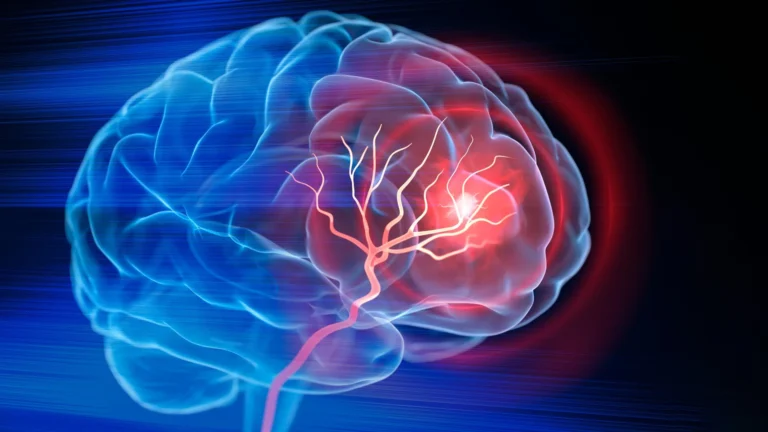
Stress is fundamentally a physiological response to a perceived threat, often referred to as the "fight-or-flight" response. When the brain perceives a stressor—whether it is a looming work deadline or a physical hazard—it triggers a complex cascade of hormonal changes. The hypothalamus, a tiny region at the base of the brain, acts as a command center, communicating with the rest of the body through the autonomic nervous system.
The Physical Manifestations
The physical toll of this response is immediate and multifaceted. According to clinical data shared by the DBSA, one of the most common early signs of acute stress is a feeling of being "shaky," dizzy, or off-balance. This is caused by a sudden surge of adrenaline, which prepares the muscles for exertion, often resulting in jitters or tremors when that energy has no physical outlet.
Furthermore, stress is a primary driver of cardiovascular strain. The release of stress hormones causes the heart to beat faster and the blood vessels to constrict, leading to a spike in blood pressure. This internal heat generation often manifests externally as excessive sweating and hot flashes. Over time, the DBSA warns, chronic high blood pressure can lead to permanent damage to the heart muscle, resulting in abnormal heart rhythms and debilitating chest pain.
Metabolic and Immune Disruption
The impact extends deep into the metabolic system. When the hypothalamus signals the kidneys to release cortisol and adrenaline, these hormones trigger the liver to produce more glucose (blood sugar) to provide an energy boost for the "fight." In a modern context, where the "threat" is often sedentary (such as an email), this excess blood sugar is not utilized, potentially increasing the risk of Type 2 diabetes.
Perhaps most concerning is the effect on the immune system. While acute stress can temporarily boost immunity to help heal wounds, chronic stress has the opposite effect. Prolonged exposure to cortisol limits the effectiveness of the immune system, making the body more susceptible to infections and slowing the recovery process from illness or injury.
Chronology: From Acute Response to Chronic Degeneration
To understand the severity of stress, one must look at the timeline of how it evolves within the human body. The progression from a helpful survival instinct to a chronic illness follows a specific chronological path.
- The Alarm Stage (Seconds to Minutes): Upon encountering a stressor, the amygdala sends a distress signal to the hypothalamus. Within seconds, adrenaline is pumped into the bloodstream. Heart rate increases, and breath quickens. This is the stage of peak "readiness."
- The Resistance Stage (Hours to Days): If the stressor persists (such as a difficult week at a new job), the body attempts to counteract the physiological changes of the alarm stage. While the body remains on high alert, it tries to normalize heart rate and blood pressure. However, cortisol levels remain elevated, beginning the slow process of systemic wear and tear.
- The Exhaustion Stage (Months to Years): This is where stress becomes "chronic." The body’s resources are depleted. This is the period when the DBSA notes the onset of significant health issues: insomnia becomes a permanent fixture, leading to daytime exhaustion; gastrointestinal problems like diarrhea and stomach upset become frequent; and tension headaches become a daily occurrence.
- The Pathological Stage: In this final stage of the chronology, the cumulative effects lead to clinical diagnoses. The brain’s "wiring" begins to change, particularly in the areas governing emotion and memory, often leading to the development of clinical anxiety or major depressive disorder.
Supporting Data: The Statistical Reality of a Stressed World
The gravity of the stress crisis is underscored by data from leading health institutions. The National Institute of Mental Health (NIMH) identifies anxiety and depression as the most common mental health disabilities globally, both of which are inextricably linked to chronic stress.
Research from the American Psychological Association (APA) suggests that nearly 77% of people regularly experience physical symptoms caused by stress, while 73% experience psychological symptoms. The economic implications are equally staggering; it is estimated that stress-related work absences and loss of productivity cost the global economy billions of dollars annually.
Furthermore, the DBSA highlights a dangerous correlation between chronic stress and substance misuse. Data indicates that individuals under high levels of chronic stress are significantly more likely to smoke cigarettes and misuse drugs or alcohol as a form of "self-medication." While these substances may provide a temporary numbing effect, they ultimately exacerbate the physiological damage, creating a feedback loop that accelerates health decline.
Official Responses: Clinical Tools and Recommendations
In response to this growing crisis, mental health organizations have developed frameworks to help individuals regain control. The Depression and Bipolar Support Alliance (DBSA) has championed the "Wellness Wheel," a holistic tool designed to address the multifaceted nature of health.
The Wellness Wheel Approach
The Wellness Wheel encourages individuals to look beyond just physical symptoms and evaluate several dimensions of their lives, including:
- Physical Wellness: Sleep hygiene, nutrition, and exercise.
- Social Wellness: Building a support system to buffer against environmental stressors.
- Financial and Occupational Wellness: Addressing the root causes of many modern stressors.
- Intellectual and Spiritual Wellness: Finding purpose and mental stimulation.
The DBSA emphasizes that managing stress is not a "one-size-fits-all" endeavor. They recommend that if stress begins to interfere with daily functioning or quality of life, the first step should be a consultation with a healthcare professional. Doctors can provide a bridge to clinical interventions, including cognitive-behavioral therapy (CBT), which has been proven effective in "rewiring" the brain’s response to stressful stimuli.
The NIMH Perspective
The National Institute of Mental Health continues to advocate for early intervention. Their research indicates that recognizing the early signs of irritability and anger—common mental side effects of the cumulative stress response—can prevent the progression into more severe mental health disabilities. By treating stress as a clinical precursor rather than a lifestyle byproduct, the medical community hopes to lower the incidence of long-term disability.
Implications: The Future of Public Health
The implications of the current stress epidemic are far-reaching. As chronic stress continues to be linked to the "top killers" in modern society—including heart disease, diabetes, and suicide—the way society views work-life balance and mental health must undergo a fundamental shift.
The Shift in Workplace Culture
There is an increasing demand for corporations to recognize their role in the stress cycle. "Burnout" is now recognized by the World Health Organization (WHO) as an occupational phenomenon. The implication is clear: the responsibility for stress management is shifting from the individual to the structural level. Companies that fail to address the chronic stress of their employees are seeing higher turnover and increased healthcare costs.
The Mental Health Horizon
The long-term mental toll of stress suggests that we may be facing a future with higher rates of cognitive decline and emotional instability. Chronic stress inhibits quality sleep, and as the DBSA notes, insomnia is a gateway to a host of other neurological issues. Without a societal emphasis on "quality rest" and "disconnection," the prevalence of mental health disabilities is expected to rise.
Personal Agency and Education
Ultimately, the most significant implication is the need for education. As the DBSA points out, "knowing the signs and causes of stress can help you prevent and manage it." Empowerment through information allows individuals to intervene in their own biological processes before the "exhaustion stage" takes hold.
In conclusion, stress is a powerful biological force that, when left unchecked, can dismantle a person’s health from the inside out. From the jittery surge of adrenaline to the profound risks of substance misuse and cardiovascular disease, the effects are comprehensive. However, through tools like the Wellness Wheel and a proactive approach to medical consultation, the transition from "stressed" to "well" is possible. The challenge for the 21st century will be whether we can redesign our lives to respect the biological limits of our own stress responses.