In the contemporary era, the conversation surrounding climate change is almost exclusively dominated by carbon metrics, sea-level rise, and shifting temperature averages. However, beneath the surface of these environmental data points lies a more intimate, human crisis: the steady, systematic dismantling of our social connections.
As extreme weather events move from "once-in-a-generation" anomalies to seasonal fixtures, they are doing more than just destroying infrastructure. They are altering the way we live, how we interact, and how we sustain the relationships that serve as the bedrock of our mental health and community resilience.
The Silent Epidemic of Disconnection
Social connection is no longer just a "nice-to-have" amenity of modern life; it is a fundamental pillar of public health. Research consistently demonstrates that strong social ties act as a biological buffer, lowering stress hormones, keeping the brain cognitively engaged, and providing a critical safety net during emergencies.
Yet, we are currently living through a documented "loneliness epidemic." Long before the COVID-19 pandemic forced us behind screens and into isolation, Americans were already spending significantly less time in face-to-face interactions with friends and family. Now, climate change is acting as an accelerant, creating physical and technological barriers that make the simple act of "being together" increasingly difficult.
Chronology of a Disconnected Decade
The decline of community engagement has accelerated alongside the increasing intensity of climate-driven disasters:
- 2011: Hurricane Irene and Tropical Storm Lee devastated local landscapes in places like Cherry Valley, New York, destroying communal spaces like local reservoirs, which served as the literal "heart" of small-town social life.
- 2020: The global pandemic served as a catalyst for a shift toward virtual interaction, leaving society fragile and unaccustomed to physical gathering just as extreme weather patterns worsened.
- 2023–2025: A series of record-breaking heat waves, "heat domes," and unprecedented flood events across the U.S. began to regularly force the cancellation of local festivals, farmers’ markets, and outdoor community events.
- 2026: A summer of record-shattering heat forced widespread evacuations from public spaces, marking a turning point where outdoor social life became not just uncomfortable, but physically dangerous.
The Mechanics of Isolation: How Climate Change Stifles Connection
The Heat-Driven Retreat
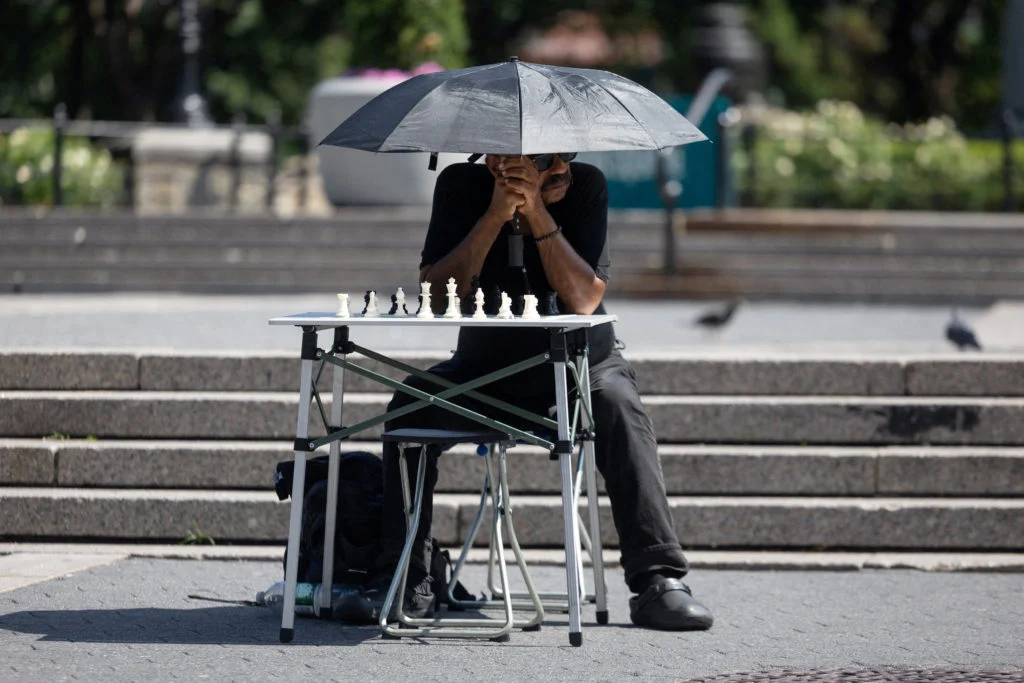
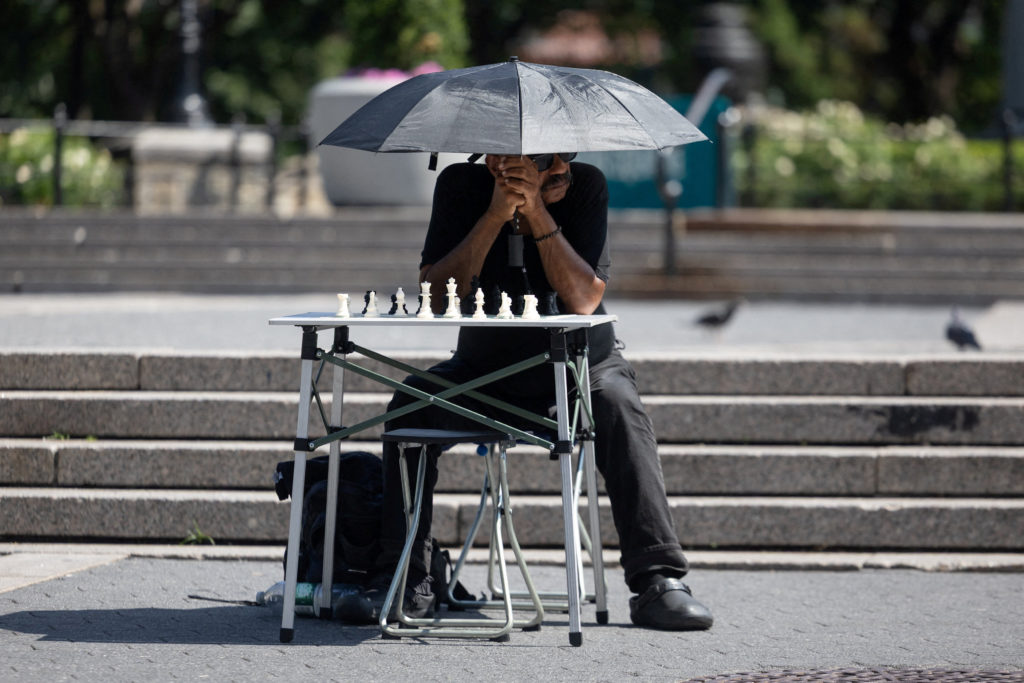
When temperatures hit the triple digits, the "great outdoors" effectively closes. For many, the choice is binary: stay in the air-conditioned sanctuary of the home or risk heatstroke. This retreat is a rational health decision, but it carries a heavy social toll. As one 28-year-old social worker observed, people are increasingly reluctant to leave their homes even for scheduled community events, fearing the exposure to dangerous heat indexes. This withdrawal creates a self-reinforcing cycle of isolation where the "third places"—cafes, parks, and plazas—remain empty, and the social muscles of a community atrophy.
The Death of Communication Channels
Extreme weather has become the primary antagonist of modern infrastructure. Severe storms, flooding, and winter ice events are frequently coupled with long-term power outages. In the modern, digitized world, losing electricity often means losing internet access and cellular service.
For many, especially in rural areas, the smartphone is the only remaining link to the outside world. When the power grid fails, that link is severed. Residents find themselves unable to coordinate mutual aid, check on elderly neighbors, or receive emergency alerts. As one 74-year-old resident noted, the silence that follows a power outage is not just physical; it is an isolating void that leaves the vulnerable entirely alone in the dark.
Degradation of Cultural Landmarks
Communities are built on shared spaces and traditions. When a flood destroys a town square or a drought dries up a local lake, it isn’t just a loss of property; it is a loss of shared history. The Appalachian region has seen this firsthand: droughts have decimated the pawpaw crop, leading to the decline of annual festivals that for decades served as the primary venue for multi-generational social bonding. When the land fails, the tradition fails, and the community loses the very thing that brings it together year after year.
Supporting Data: The Vulnerability Index
The impact of climate-induced isolation is not distributed equally. According to data from the Department of Health and Human Services and recent sociological studies, specific populations face higher risks:
- Older Adults: Those with limited mobility rely on consistent social check-ins to survive heat waves. When those check-ins are disrupted by extreme weather, mortality rates rise.
- Rural Residents: With less access to reliable public transportation and internet, rural populations are significantly more vulnerable to being "cut off" when weather events damage local roads or infrastructure.
- Lower-Income Households: Families without air conditioning or backup generators are forced to choose between physical safety and social participation.
Studies indicate that frequent, co-occurring weather events—such as a flood occurring during a heat wave—exponentially increase the difficulty of maintaining social ties. Each event compounds the last, slowly eroding the capacity of individuals to reach out to one another.
Official Responses and Policy Implications
The U.S. Surgeon General has officially recognized the loneliness epidemic as a national health crisis, noting that the social fabric of the country is in a state of decay. However, current climate adaptation policies often focus solely on "hard" infrastructure: sea walls, electrical grid hardening, and flood drainage.
Public health experts and social workers, such as those at the University of Tennessee, argue that we must pivot toward "social infrastructure." This includes:
- Climate Resilience Hubs: Transforming libraries and community centers into multi-purpose spaces that provide cooling, charging, and internet access during disasters, while serving as hubs for social engagement during non-disaster times.
- Community-Based Adaptation: Funding local organizations that foster intergenerational programs, ensuring that the elderly are not left behind when digital communication fails.
- Urban Design: Investing in "cool spaces" that are accessible, free, and designed specifically to encourage gathering even during high-temperature events.
Implications for the Future
The implications of a society that is both physically and socially fragmented are profound. If we fail to address the social consequences of climate change, we risk creating a world where communities are not just physically vulnerable to storms, but psychologically unprepared to recover from them.
Social connection is the primary engine of recovery. During the aftermath of a wildfire or a flood, it is the neighbor who checks on the neighbor, the shared meal, and the local assembly that restores order. If we allow the climate crisis to permanently sever these threads, we lose our most important resource for survival.
As we move further into a century defined by environmental volatility, the preservation of our social fabric must be treated with the same urgency as the protection of our physical environment. Protecting our ability to gather, communicate, and support one another is not just a matter of social health—it is a matter of collective survival. We must build spaces that withstand the heat, but more importantly, we must build societies that can withstand the isolation that threatens to tear them apart.