By Kari McBride
The phone call from the school nurse’s office arrived like a fracture in the day. On the other end of the line, my daughter was sobbing—not for a scraped knee or a missed bus, but for a back that felt, in her words, like it was breaking. As a parent, that moment of helplessness is a visceral, haunting experience. Being an hour away, unable to provide physical comfort, I realized in that singular, agonizing moment that we had crossed a threshold. This was no longer the expected recovery from her spinal surgery; we had drifted into the uncharted, treacherous waters of chronic pain.
The Chronology of a Disappearing Diagnosis
The journey began less than a year prior, following a necessary spinal procedure. Initially, the recovery followed a predictable, if difficult, trajectory. My seven-year-old would wince, favor her back, and offer the heart-wrenching lament of “my poor little back.” It was the standard post-surgical experience—a temporary phase of healing that we assumed would conclude once the incision sites had knit together.
But the surgical scar faded, and the pain remained.
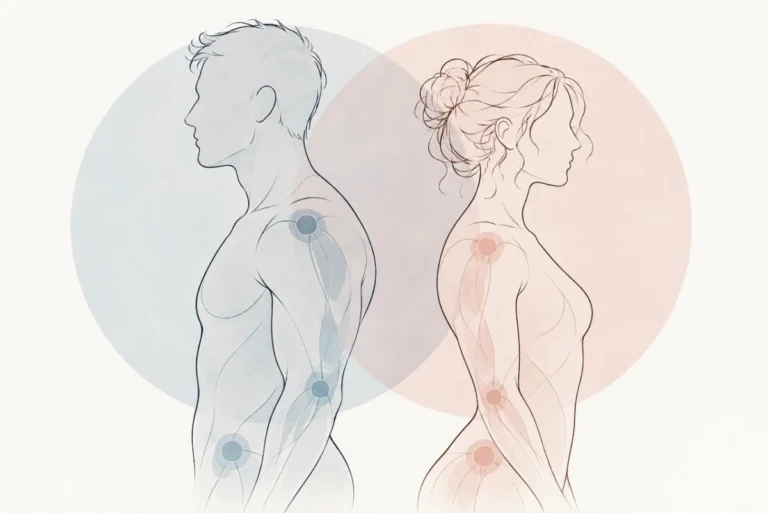
The symptoms began to metastasize, shifting from localized back pain to a pervasive, wandering ache. First, it was the back. Then, the discomfort migrated into her legs. Soon, she began describing sensations of “pins and needles” that defied anatomical explanation. As a mother, the intuition was deafening: something was fundamentally misaligned. I spent months oscillating between the hope that it was a lingering complication and the terrifying suspicion that we were facing something far more systemic.
For the next two years, time became fluid. Chronic pain has a unique, cruel ability to blur the boundaries of a calendar. We entered a cycle of medical appointments, physical therapy evaluations, diagnostic imaging, and endless, soul-crushing late nights spent scouring the internet. Each appointment felt like a hunt for a “golden envelope”—a single diagnostic revelation that would provide a cure. Instead, each visit ended with the same hollow feeling: a lack of answers, a lack of progress, and a growing sense of isolation.
The Clinical Reality: When Medicine Reaches Its Limit
After the twelfth pediatrician visit in a single year, the physician finally broached the subject of chronic pain management. At the time, I felt only betrayal. How could a medical professional imply that there was no "fix"? My frustration was a defensive wall built to protect my daughter, but it was also a barrier to understanding.
It was not until we sat in the office of a pediatric pain specialist, months later, that the paradigm finally shifted. The specialist’s words were simple, yet they felt like a tectonic shift in our lives: “There is nothing physically wrong with her in the traditional sense. This is chronic pain. We must build a plan to support her.”
Understanding Pediatric Chronic Pain: Data and Definitions
Chronic pain in children is often misunderstood as a purely psychological manifestation, but current pediatric research suggests a far more complex neurobiological reality. According to the Journal of Pain, chronic pain affects approximately 15% to 20% of the pediatric population. Unlike acute pain, which serves as a protective warning signal, chronic pain occurs when the nervous system becomes "sensitized."
The Neurobiology of the "Invisible"
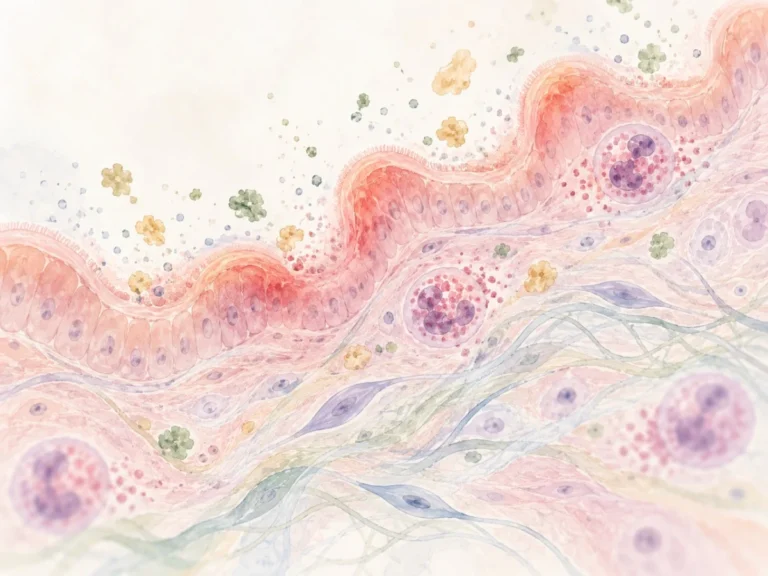
When pain persists beyond the healing of the original injury, the nervous system can undergo maladaptive changes. The spinal cord and brain may continue to transmit pain signals even when there is no ongoing tissue damage. In my daughter’s case, her central nervous system had become hyper-vigilant.
The Impact on Quality of Life
The implications for a child are profound. Studies from the American Academy of Pediatrics indicate that children with chronic pain are at a significantly higher risk for:
- Social Isolation: The inability to participate in sports or extracurricular activities leads to a thinning of peer networks.
- Educational Deficits: Absenteeism, often caused by "flare-up" days, creates gaps in learning and increases academic anxiety.
- Mental Health Co-morbidities: The persistent nature of the pain is intrinsically linked to higher rates of depression and generalized anxiety in youth.
Official Perspectives: Shifting the Clinical Focus
The medical community has been undergoing a quiet revolution in how it approaches pediatric pain. For decades, the focus was strictly on biomedical "cures"—surgery, medication, and physical correction. Today, institutions like the Boston Children’s Hospital Pain Treatment Service emphasize a "biopsychosocial model."
This model posits that pain is not merely a biological issue but a synthesis of biological, psychological, and social factors. Experts now argue that treating the pain solely through invasive procedures can sometimes exacerbate the condition, leading to what some specialists call "medical trauma." Instead, current best practices involve a multidisciplinary team: psychologists to manage the emotional weight, physical therapists to maintain functional movement, and pediatricians to coordinate care, all while prioritizing the child’s quality of life over the total eradication of the pain sensation.
The Journey to Acceptance: A New Definition of Healing
Acceptance was the hardest pill to swallow. For years, I believed that acceptance was synonymous with "giving up." I feared that if I stopped searching for a cure, I was abandoning my child to a lifetime of suffering.
However, I have come to realize that acceptance is, in fact, an active, rather than passive, state of being. It was the moment I finally let my internet browser rest. It was the decision to stop chasing the "golden envelope" and start engaging with the reality of our day-to-day existence.
Acceptance did not mean her pain wasn’t real; it meant that I had stopped waiting for the pain to disappear before allowing her to live. We moved from a life of "waiting for the recovery" to a life of "living with the condition."
Practical Implications for Families
For families facing similar diagnostic dead-ends, the transition to this mindset involves several critical steps:
- Reframing Success: Success is no longer defined by the absence of pain, but by the presence of engagement. Is she attending school? Is she connecting with friends? Is she experiencing joy?
- Validating the Experience: One of the most common mistakes is inadvertently signaling to the child that their pain is "in their head." Validation means acknowledging that the pain is felt, even if the source is not visible on an MRI.
- Building a Toolkit: We moved toward cognitive behavioral strategies, pacing techniques, and mindfulness, which have become our frontline defense against the severity of the flare-ups.
Conclusion: A New Normal
My daughter still lives with chronic pain. We still have days where the tears flow, where the school nurse calls, and where the weight of this reality feels almost too heavy to bear. I still grieve the childhood I thought she would have, and I still question the "why" of it all.
But the shift from fighting reality to meeting it has been transformative. By meeting my daughter where she is today—rather than spending all our energy wishing she were somewhere else—I have been able to give her the one thing she needed most: a mother who is present, not a mother who is distracted by the hunt for a cure.
We are no longer defined by the surgical scar or the mystery of the pins and needles. We are defined by our capacity to endure, to adapt, and to find the beauty in a life that is, by all traditional medical accounts, incomplete. Chronic pain is our reality, but it is not the totality of our existence. We have learned to live, and in doing so, we have found a different, albeit harder, kind of grace.