










In the ongoing battle against neurodegenerative diseases, researchers are turning their attention to an often-overlooked frontier: the human nose. As we celebrate Brain Health Awareness Week (March 16–20), a compelling new narrative is emerging at the intersection of neuroscience and daily wellness. Led by pioneering experts like Dr. Michael Leon, Professor Emeritus at the University of California, Irvine (UCI), the scientific community is uncovering how targeted olfactory stimulation—the sense of smell—can serve as a powerful tool in protecting cognitive function and delaying the onset of age-related brain decline.

The Science of Scent: Unlocking the Olfactory Connection
The human sense of smell is uniquely wired to the brain’s emotional and memory centers, specifically the hippocampus and the amygdala. Unlike our other senses, which undergo complex processing before reaching the brain’s executive hubs, scent signals travel almost directly to these critical regions. This biological "express lane" is the focus of Dr. Michael Leon’s extensive research.

Dr. Leon, a globally recognized neuroscientist, has dedicated his career to studying the mechanisms of brain plasticity—the brain’s ability to reorganize itself by forming new neural connections. His work suggests that by stimulating the olfactory system with specific, varied scents, we can effectively "exercise" the brain. This form of sensory training acts as a buffer against the oxidative stress and chronic inflammation that are hallmark contributors to Alzheimer’s disease and other forms of dementia.

In one landmark study, Dr. Leon and his colleagues demonstrated that consistent scent-training protocols led to a staggering 226% increase in memory and cognitive performance among participants. This data suggests that our sense of smell is not merely a passive experience but a dynamic gateway to maintaining cognitive vitality as we age.

The Birth of "NeuroDesign": Memory Air and Home Wellness
The application of this research has moved from the laboratory to the living room through the creation of Memory Air, a wellness home device co-created by Dr. Leon. This product represents the vanguard of "Well Home Design"—or NeuroDesign—a movement that seeks to optimize our living environments to support mental and physical health.

Memory Air utilizes aromatherapy to provide consistent, targeted sensory stimulation. By diffusing specific scents during sleep and waking hours, the device aims to enhance neural pathways that are often dormant or deteriorating in aging brains. The integration of such technology into the home environment is a critical step in the "preventative care" model, allowing individuals to actively nurture their brain health while they sleep. Dr. Leon notes that the specific selection of scents—ranging from calming essences for deep sleep to stimulating profiles for cognitive alertness—is essential to the efficacy of the protocol.

Chronology of a Breakthrough
The journey to understanding the link between scent and cognitive health has been a decades-long pursuit:

- Early Foundations: Initial neuroscientific studies in the late 20th century identified the unique pathway between the olfactory bulb and the limbic system.
- The Plasticity Revolution: Researchers, including Dr. Leon, began to prove that the adult brain retains the capacity to heal and grow through targeted sensory inputs.
- The 200% Threshold: Recent clinical trials quantified the impact of enriched sensory environments, revealing the 226% improvement in cognitive test scores, effectively putting the "scent-training" hypothesis on the medical map.
- Commercial Innovation: With the development of consumer-grade technology like Memory Air, the science of olfactory stimulation has transitioned from clinical trials into the hands of caregivers and families seeking non-invasive ways to combat memory loss.
Supporting Data: Why Senses Matter
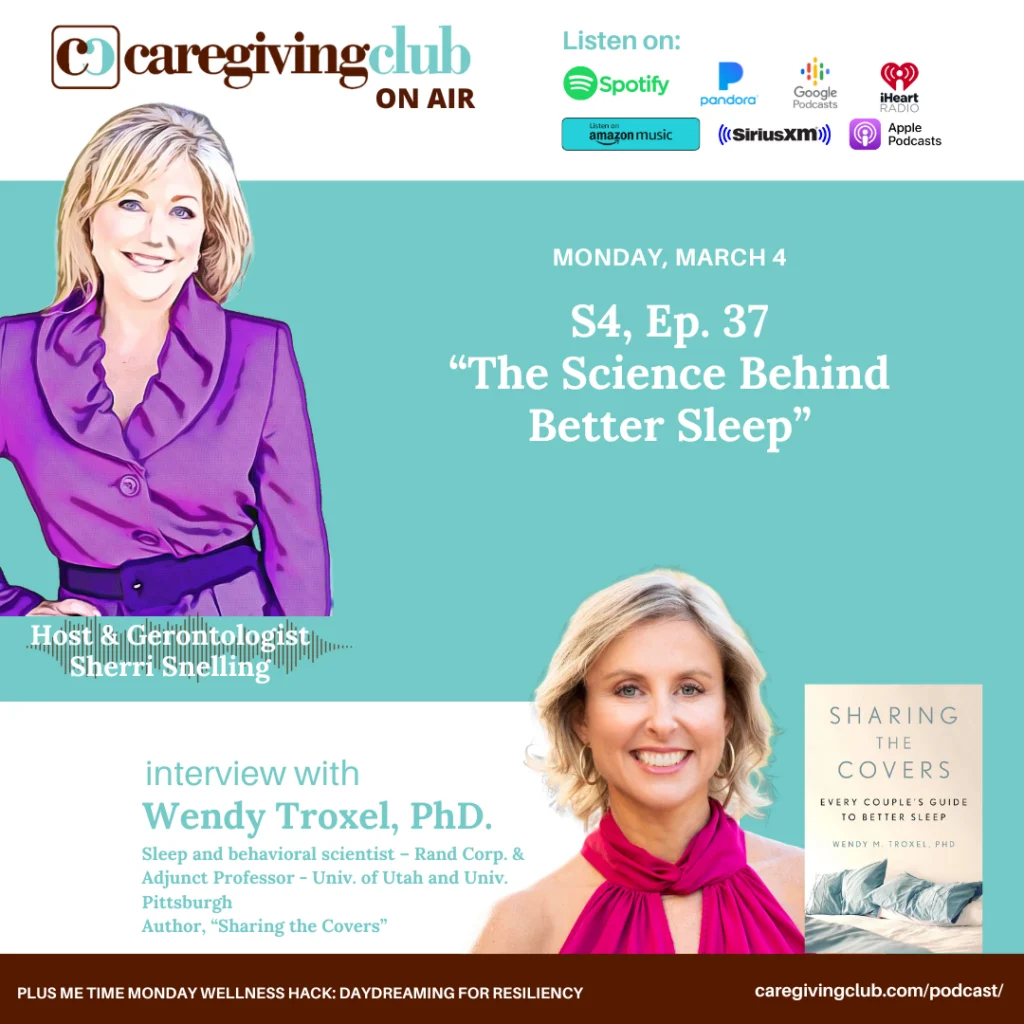
The "Caregiving Club On Air" podcast, now in its sixth season and ranked #3 globally among caregiving podcasts by Feedspot, has made the five senses a cornerstone of its educational mission. Host Sherri Snelling, author of ME TIME MONDAY, posits that sensory enhancement is the key to building "cognitive reserve."

Data continues to mount in favor of this sensory-first approach. When we engage our senses—sight, sound, touch, taste, and smell—we trigger neuroplasticity. Conversely, sensory deprivation (common in institutionalized care or isolated home settings) can accelerate the degradation of the brain’s neural network. By combining the MIND Diet—a nutritional protocol that blends the Mediterranean and DASH diets—with olfactory training, individuals can achieve a "brain age" significantly younger than their chronological years.

Official Perspectives and Expert Insight
Dr. Michael Leon argues that the medical community has historically focused too heavily on pharmaceutical interventions while ignoring environmental and lifestyle factors. "We have the ability to stimulate the brain’s internal machinery through the air we breathe," Dr. Leon noted in his recent interview with the Caregiving Club. "If we can mitigate oxidative stress through consistent olfactory input, we are looking at a paradigm shift in how we manage the Alzheimer’s crisis."

The shift toward "Well Home Design" is also supported by broader research into dementia-friendly architecture. By creating homes that are not just safe, but stimulating in a healthy, controlled way, caregivers can reduce the "sundowning" effect and improve the quality of life for those living with cognitive impairment.

Implications for the "Sandwich Generation"
The implications for the modern caregiver—particularly those in the "Sandwich Generation" who are managing the needs of both children and aging parents—are profound. The burden of caregiving is often associated with high cortisol levels, sleep deprivation, and chronic stress, all of which are detrimental to the caregiver’s own brain health.

The adoption of sensory-based self-care, such as the 7-minute "wellness hacks" championed by the Caregiving Club, offers a realistic, manageable routine for busy individuals. Whether it is using music to regulate mood, adjusting diet for brain inflammation, or using scent-based devices to improve sleep quality, these small, evidence-based changes create a "compounding interest" effect for brain longevity.

A Holistic Future for Brain Health
As we look toward the future, the integration of technology into the home—what some call the "Smart Home for Brain Health"—will likely become standard practice. The success of the Memory Air device and the growing popularity of the ME TIME MONDAY methodology highlight a public hunger for accessible, science-backed solutions that empower the individual.

The path forward is clear: we must stop viewing brain health as a passive state and start treating it as an active practice. By leveraging our natural sensory systems, we can create a robust defense against the cognitive decline that affects millions worldwide.

Key Takeaways for Caregivers:
- Prioritize Sleep: Sleep is when the brain cleanses itself of toxins. Scent-based interventions can significantly improve sleep architecture.
- Cross-Train the Senses: Just as you would train your muscles, you must train your senses. Use music, varied textures, and specific scents to keep neural pathways firing.
- Adopt the MIND Diet: A diet rich in leafy greens, berries, and fish remains the gold standard for reducing neuro-inflammation.
- Engage with Community: Use resources like the Caregiving Club On Air to stay informed on the latest research and to find community support, which is vital for maintaining one’s own mental health during the caregiving journey.
In conclusion, the connection between our sense of smell and the health of our brains is a bridge to a better quality of life. As Dr. Michael Leon and the Caregiving Club continue to pioneer this research, we are reminded that the solutions to some of our most complex health challenges may be right under our noses. By embracing these sensory innovations, we are not just adding years to our lives, but life to our years.