





Introduction: A Culinary Revolution Beneath the Rind
For centuries, the craft of cheesemaking has been guided by intuition, tradition, and the nuanced touch of the artisan. Now, modern science is peeling back the layers of these dairy delicacies, revealing a bustling ecosystem of microbes that do far more than provide a sharp tang or a creamy texture.
A groundbreaking study conducted by researchers at the University of Reading has identified the specific microbial communities that define three distinct British artisan cheeses. The findings, published in ACS Food Science & Technology, suggest that these tiny organisms—the unsung heroes of the cheeseboard—may offer significant health benefits to human consumers. By acting as a protective vehicle for probiotics and providing prebiotic fibers, artisan cheese is being repositioned not just as a gourmet indulgence, but as a potential powerhouse for gut health.
The Chronology of Maturation: From Milk to Masterpiece
To understand how flavor and functionality develop, the research team, led by PhD researcher Sabrina Longley, focused on three distinct varieties produced by the Nettlebed Creamery in Oxfordshire. By tracking the biochemical and microbial shifts over time, the team gained a granular look at the "life" of a cheese.
1. The Soft White Rind (One Week)
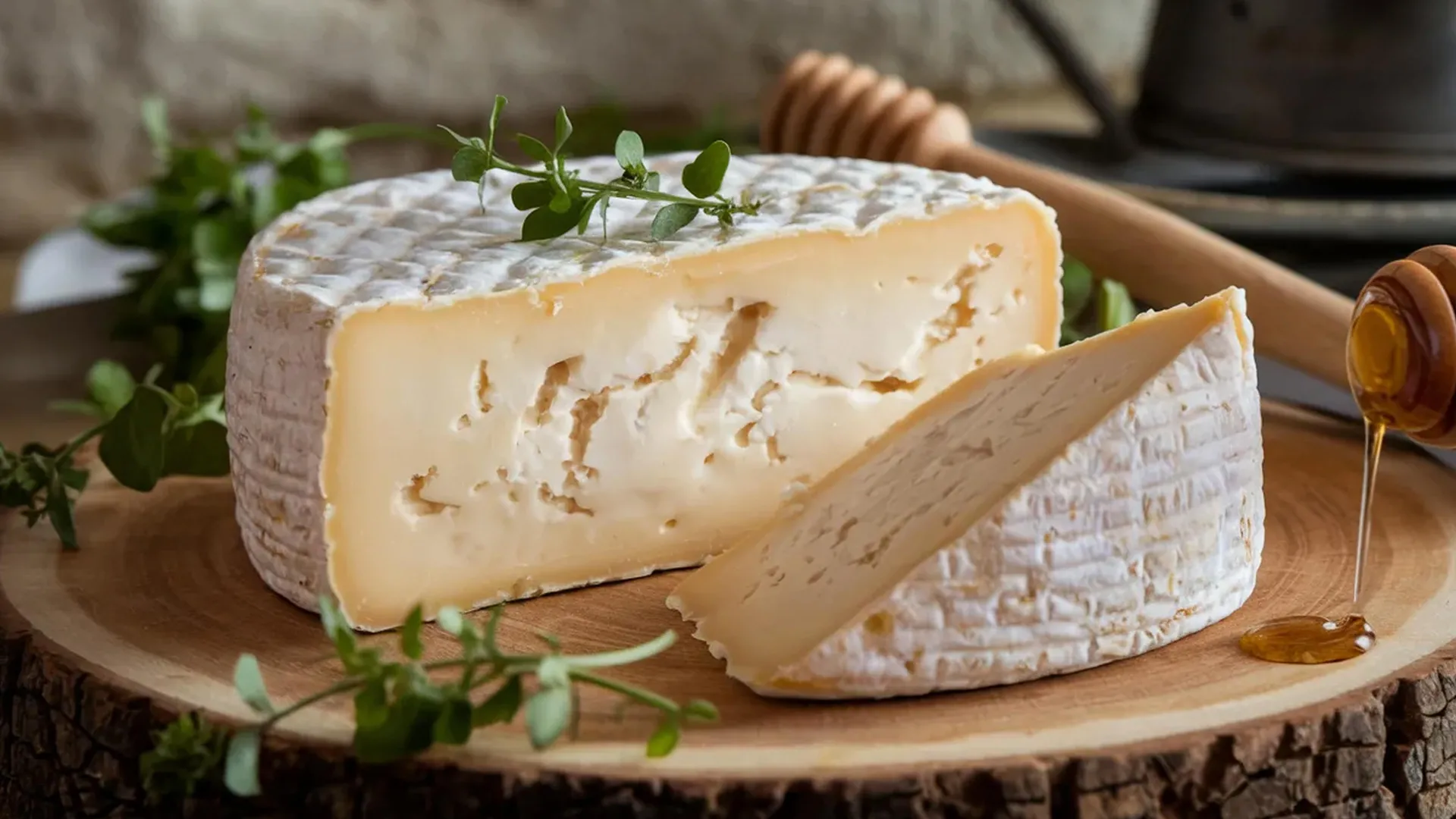
The shortest maturation cycle in the study, this variety develops its signature bloomy coat rapidly. The research revealed that this short window is critical for the establishment of Penicillium candidum, a mold that not only dictates the aesthetic appeal of the rind but also produces chitin—a dietary fiber that acts as a prebiotic.
2. The Washed Rind (Several Weeks)
As the cheese matures over several weeks, the microbial community undergoes a transformation. The researchers observed the persistence of Lactococcus lactis, a core bacterium present from the start of the process, and the emergence of Propionibacterium freudenreichii, a bacterium renowned for producing propionic acid—a compound linked to anti-inflammatory effects and cholesterol regulation.
3. The Hay-Aged Semi-Hard Cheese (Nine Months)
The most striking findings emerged from the long-term aging process. As the cheese sat in hay for nine months, the bacterial diversity exploded. The researchers noted that the fully mature version of this cheese contained nearly four times as many bacterial species as it did at the beginning of its life. This suggests that the environment—in this case, the hay—acts as a secondary inoculation source, enriching the cheese with a complex array of microbes that simple lab-made cheeses often lack.
Supporting Data: The Microbial Engine Room
The study provides a detailed map of the bacterial "army" responsible for transforming milk into a complex food product. The data highlights three key players that maintain their dominance or emerge during the maturation process:
- Streptococcus thermophilus: Commonly associated with yogurt starters, this bacterium proved to be the backbone of the semi-soft and harder cheeses, remaining dominant throughout the maturation period.
- Lactococcus lactis: A constant companion in all three varieties, this bacterium ensures consistent fermentation and textural development from day one until the final slice.
- Propionibacterium freudenreichii: Found in the washed and hay-aged varieties, this microbe is a star performer in the context of human health, producing metabolic byproducts that support healthy cholesterol levels and appetite regulation.
Beyond the bacteria, the study addressed a common dietary hurdle: lactose. For those suffering from lactose intolerance, the findings offer a compelling reason to reach for aged artisan cheese. The fermentation process is so efficient that, by the time these cheeses reach the consumer, lactose is almost entirely absent. The lactic acid bacteria work tirelessly to break down these sugars, rendering the final product an ideal alternative for those who usually avoid dairy.
Official Responses and Researcher Perspectives
The study is unique in its collaborative nature, bridging the gap between high-level academic research and on-the-ground food production. Sabrina Longley, the lead author, serves as the bridge between these two worlds. Not only is she a PhD researcher at the University of Reading, but she is also a working cheesemaker at Nettlebed Creamery.
"Good cheese is delicious, and the artisan varieties we studied are full of microbial life that could have benefits to your gut health," Longley stated during the dissemination of the findings. She explained the mechanism of delivery that makes cheese unique: "The aging process creates more complex aromas and textures through the work of an army of helpful bacteria. The matrix of fats and proteins in the cheese may also help protect the bacteria as they travel along the digestive tract, making cheese an excellent vehicle for delivery of probiotics to the gut."
This collaborative model was supported by a University of Reading regional bursary, a program specifically designed to empower local talent to bridge the gap between regional industry and cutting-edge science. The partnership highlights a growing trend in food science: the movement toward "farm-to-lab" research that honors the traditional methods of the artisan while validating them with modern genomic tools.
Implications: The Future of Functional Food
The implications of this study extend far beyond the Oxfordshire countryside. As consumer interest in the gut-brain axis and the importance of the microbiome grows, the food industry is under pressure to provide products that are both natural and functional.
The Rise of Prebiotics in the Rind
One of the most exciting takeaways is the revelation regarding cheese rinds. Traditionally, many consumers discard the rind of soft cheeses, viewing it as merely a protective layer or a texture preference. However, the study suggests that the Penicillium candidum in the rind produces chitin, a prebiotic fiber. By consuming the rind, consumers may be providing the "fuel" necessary for their gut bacteria to thrive, effectively turning a simple cheese snack into a symbiotic dietary supplement.
A New Standard for "Artisan"
This research may change the way artisan cheeses are marketed. If specific aging processes—such as hay aging—are proven to increase bacterial diversity, we may see a shift in how cheeses are labeled and valued. The study provides a scientific justification for the traditional, often labor-intensive methods that have been passed down through generations. It suggests that the "old way" of doing things—using hay, natural caves, or long-term aging—is scientifically superior to industrialized, high-speed production.
The Path Ahead: Clinical Intervention
Despite the promising data, the researchers remain cautious. They emphasize that while these cheeses contain beneficial microbes, the next necessary step is to move from the petri dish to the human body.
"Further research, specifically dietary intervention trials, will be necessary to determine how these bacterial populations behave and change within the gut microbiota after the cheeses are consumed," the researchers noted. They aim to answer the final, critical question: do these beneficial microbes successfully colonize the human gut, and what measurable changes do they trigger in systemic health markers?
Conclusion: A Nuanced View of the Cheeseboard
The findings from the University of Reading provide a scientific foundation for the age-old love affair with artisan cheese. By identifying the diverse microbial communities and the potential health-promoting properties of lactose-free, probiotic-rich dairy, the study suggests that the future of functional nutrition may have been sitting on our cheeseboards all along.
As we look toward the future, the integration of artisanal craft and microbial science promises to refine our understanding of what it means to eat well. Whether it is the anti-inflammatory potential of Propionibacterium freudenreichii or the prebiotic benefits of the rind, these British cheeses represent a complex, evolving intersection of tradition and biology.
For the discerning consumer, the message is clear: when choosing your next wedge of cheese, look for those that have been aged with care and crafted with tradition. You aren’t just buying a snack; you are consuming a sophisticated, living ecosystem that has the potential to contribute significantly to your well-being. As the science continues to unfold, one thing remains certain: the secret to a healthy gut may be found in the most delicious of places.