











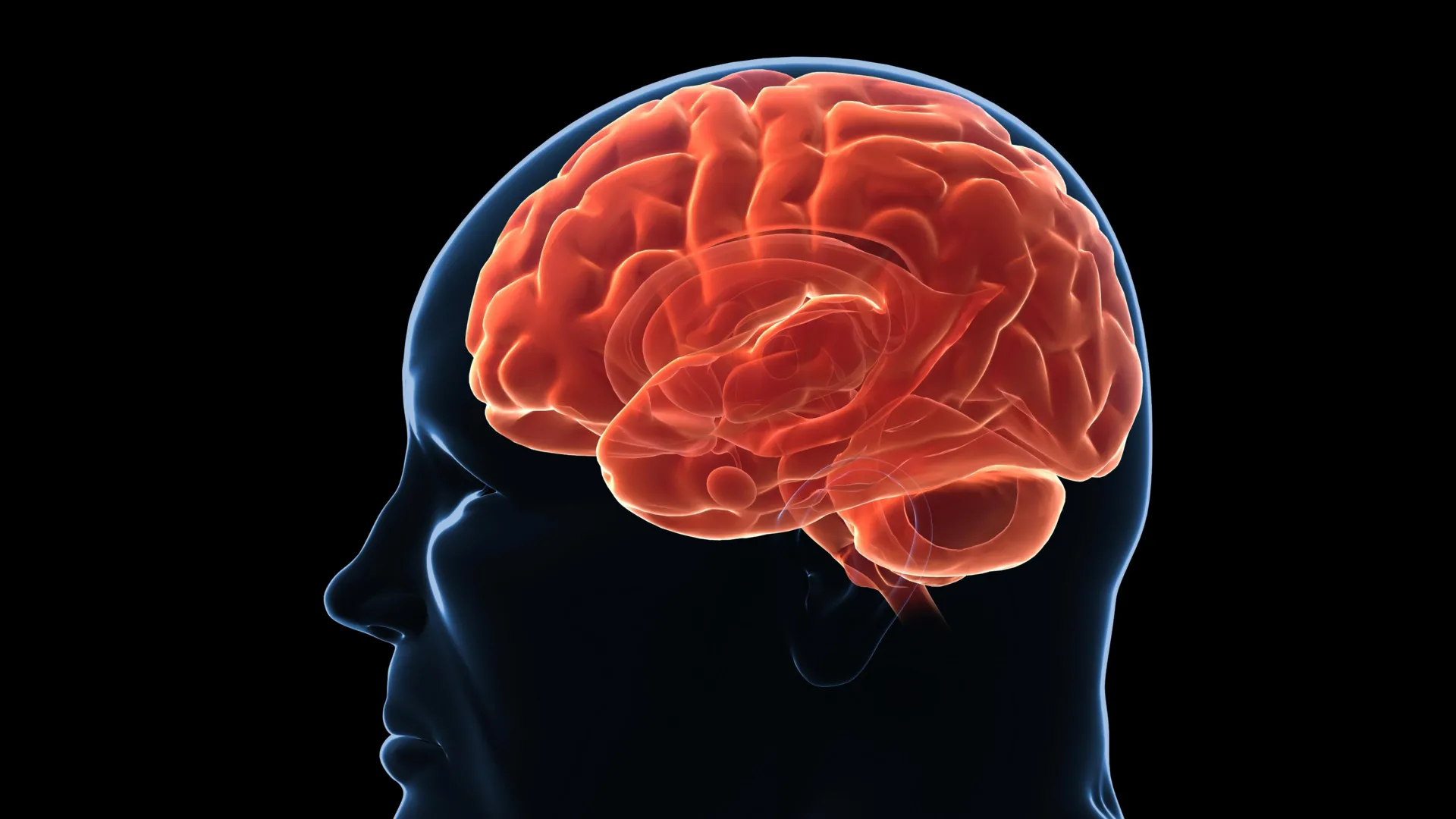
For decades, the cultural narrative surrounding weight loss has been reductionist and moralistic: if you want to lose weight, you simply need to eat less and move more. This "calories-in, calories-out" framework suggests that body weight is entirely a reflection of willpower, discipline, and personal choice. However, modern neuroscience and metabolic research have systematically dismantled this myth, revealing that the struggle to maintain a lower body weight is not a failure of character, but a battle against a deeply ingrained biological survival mechanism.
The Evolutionary Burden: Why Our Bodies "Remember" Weight
To understand the current obesity epidemic, we must look back hundreds of thousands of years. For our early ancestors, the primary threat to survival was not an abundance of calories, but the looming specter of famine. In a world of unpredictable food availability, the human body evolved into a highly efficient energy-hoarding machine. Body fat was a life-saving reserve; too little meant death during a harsh winter or a drought, while too much was a rarity that evolution rarely had to account for.
Over millennia, the human brain developed sophisticated biological defenses to guard these energy stores. These systems, designed to ensure survival in times of scarcity, have become maladaptive in the modern world—a landscape characterized by the omnipresence of cheap, hyper-palatable, calorie-dense foods and sedentary, technology-driven lifestyles.
The Biological "Defensive Wall"
When an individual attempts to lose weight through caloric restriction, the body does not perceive this as a healthy lifestyle choice. Instead, it interprets the sudden deficit as a survival threat, triggering a cascade of physiological responses designed to prevent further "starvation." Hunger hormones, such as ghrelin, surge to demand more food intake, while satiety signals are muted. Simultaneously, the body’s resting metabolic rate—the energy expended just to exist—dips significantly. This "energy gap" is the biological equivalent of a thermostat fighting back against an external change.
The Memory of Weight
Recent research has uncovered an even more formidable opponent: the brain’s ability to "remember" a previous, higher weight. When a person reaches a certain weight, the brain’s regulatory centers appear to map that weight as the "new normal." In the ancestral environment, this allowed the body to reclaim its baseline after a period of illness or food shortage. In the modern context, however, this means that once the body reaches a higher weight, the brain actively works to defend that level, viewing any attempt at weight loss as a loss of precious energy reserves. This is the biological cornerstone of the "yo-yo" dieting phenomenon—it is not a lack of discipline, but a body doing exactly what it was evolutionarily designed to do: defend its weight.
Chronology of Metabolic Adaptation
The shift from understanding obesity as a behavioral issue to a metabolic one has been a gradual process, spanning several decades of clinical research.
- The 1970s–1980s: The dominance of the "Energy Balance" model. Obesity was largely framed as a lack of willpower, leading to the rise of commercial weight-loss programs focused solely on calorie restriction.
- The 1990s: The discovery of leptin. Scientists identified the hormone produced by adipose tissue that signals satiety to the brain. This shifted the focus to the hormonal regulation of body weight.
- The 2010s: The "Set Point" theory gains traction. Longitudinal studies began showing that most people who lose weight via diet alone regain it within five years, proving that the body compensates for the weight loss through long-term metabolic changes.
- The 2020s: The "Pharmacological Revolution." The emergence of GLP-1 receptor agonists (like Wegovy and Mounjaro) marked a turning point, offering a way to biochemically bypass the brain’s defensive signals regarding hunger and satiety.
Supporting Data: The Science of Resistance
The physiological evidence for the body’s resistance to weight loss is robust. Studies published in high-impact journals, such as Nature and Cell, have consistently shown that the weight-loss journey is hindered by three primary factors:
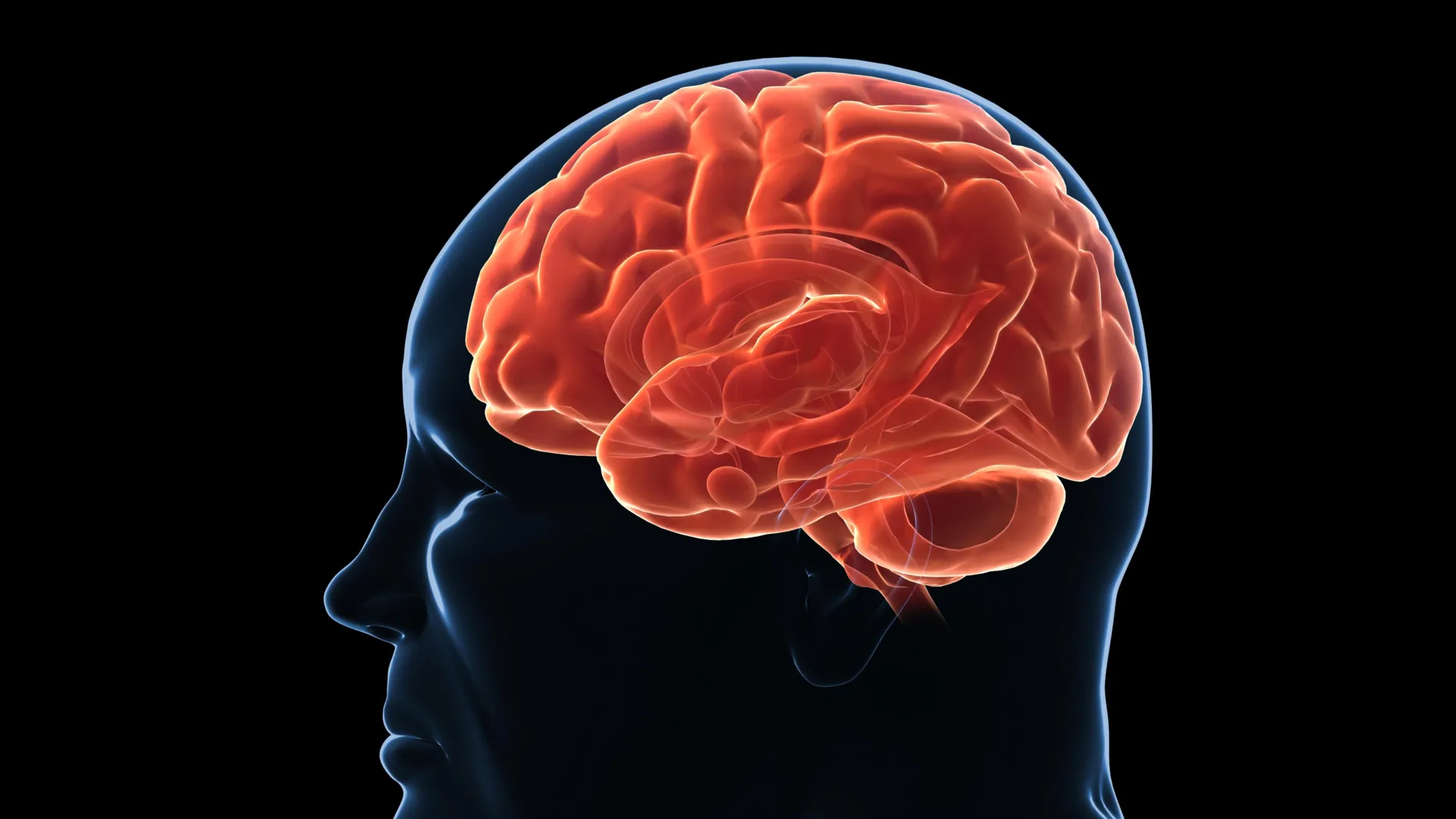
- Neuroendocrine Flux: After a 10% weight loss, the levels of ghrelin (the hunger hormone) remain elevated for over a year, creating a persistent, physiological drive to overeat.
- Adaptive Thermogenesis: Even when weight is lost, the metabolic rate often remains suppressed below what would be expected for the new, lower body weight, making maintenance a constant uphill battle.
- Hedonic Adaptation: The brain’s reward centers often become hyper-responsive to high-calorie stimuli after a period of deprivation, explaining why cravings intensify the longer a person adheres to a strict diet.
Clinical and Official Perspectives
The medical community has officially begun to reclassify obesity as a chronic, relapsing, and progressive disease rather than a lifestyle consequence. Organizations such as the World Obesity Federation emphasize that "treating obesity" requires the same clinical rigor as treating hypertension or type 2 diabetes.
The Role of Medication
Pharmacological interventions have provided "fresh hope" for many. By mimicking gut hormones, these medications act on the brain to suppress appetite and improve the body’s relationship with food. However, medical experts warn that these drugs are not a panacea.
- Response Variability: A subset of the population experiences minimal weight loss, likely due to genetic differences in hormone receptor sensitivity.
- Side Effects: Issues ranging from gastrointestinal distress to muscle loss mean that patient adherence can be low.
- The Rebound Effect: Research indicates that once these medications are discontinued, the biological defenses are "re-armed," often leading to rapid weight regain. Consequently, many clinicians now view these medications as long-term therapies, similar to insulin for diabetes.
Implications for Public Policy and Future Health
Because the biology of weight is so deeply tied to our environment, the solution cannot be limited to individual choices or medication. A society-wide approach is necessary to tackle the "obesogenic" environment.
A Structural Shift
Public health experts are advocating for systemic changes, including:
- Nutritional Policy: Subsidizing healthy school meals and restricting the marketing of ultra-processed, calorie-dense foods to children.
- Urban Design: Creating "active" neighborhoods where walking and cycling are the path of least resistance, effectively integrating movement into the fabric of daily life rather than treating it as an "optional" chore.
- Early Intervention: Research focusing on the "first 1,000 days" (from conception to age two) and early childhood suggests that metabolic pathways are set during these formative years. By improving maternal and early-childhood nutrition, we may be able to alter the trajectory of obesity for the next generation.
Redefining Health
Perhaps the most significant shift in modern medicine is the decoupling of "health" from "a specific number on a scale." Emerging research suggests that metabolic health—characterized by blood pressure, glucose regulation, inflammation markers, and cardiovascular fitness—can be significantly improved through sustainable habits like sleep hygiene, consistent physical activity, and nutrient-dense eating, regardless of whether the scale moves significantly.
Conclusion: Changing the Rules of the Game
The struggle with weight is not a moral failing. It is a collision between an ancient, survival-oriented biology and a modern, energy-saturated world. The brain is a formidable opponent, having evolved over millions of years to defend a weight that it perceives as the key to survival.
However, the tide is turning. With a deeper understanding of the neuroscience behind hunger, the development of targeted pharmacological therapies, and a pivot toward societal-level prevention, we are beginning to move past the blame-filled narratives of the past. If you have struggled to keep weight off, recognize that your body is simply performing its evolutionary duty. The path forward is not through shame or starvation, but through an evidence-based approach that respects our biology while leveraging the tools of modern science to reclaim our health. We are no longer limited by the "willpower" myth; we are finally beginning to change the rules of the game.