







15 October, 2026
In a landmark development for public health policy across the European Union, the inaugural EU Screening Week (28 September – 4 October, 2026) has concluded, leaving behind a profound shift in how the continent approaches preventative diagnostics. The initiative, anchored by the European Commission’s “Know Your Numbers” campaign, signaled a departure from siloed medical testing, championing a holistic model where respiratory health is integrated into the routine assessment of cardiovascular and systemic health.
The week-long series of events was not merely a public awareness drive; it served as a catalyst for high-level policy change. The most significant outcome of this initiative was the formal confirmation that the European Commission has officially included respiratory testing—specifically spirometry—in its formal recommendation to the European Council regarding cardiovascular health checks. This integration marks a pivotal victory for respiratory advocates who have long argued that the lungs and the heart are physiologically and pathologically inseparable.
The Evolution of EU Screening: A Chronology
The journey toward the first EU Screening Week began in response to rising chronic disease burdens that have strained European healthcare systems in the post-pandemic era.
- Q1–Q2 2026: Preparatory discussions between the European Respiratory Society (ERS), the European Lung Foundation (ELF), and European Commission health officials centered on the "Healthy Lungs for Life" initiative. The objective was to move respiratory health out of the specialist clinic and into the community.
- 28 September 2026: The official launch by Olivér Várhelyi, European Commissioner for Health and Animal Welfare. Commissioner Várhelyi emphasized that the responsibility of the state is to provide individuals with the tools for lifelong health monitoring.
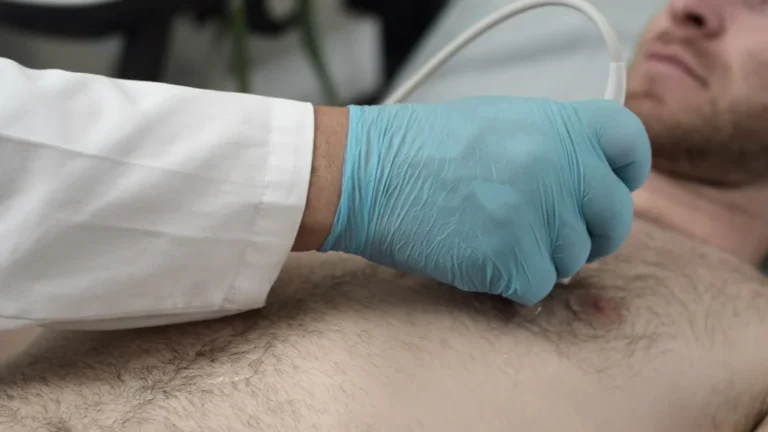
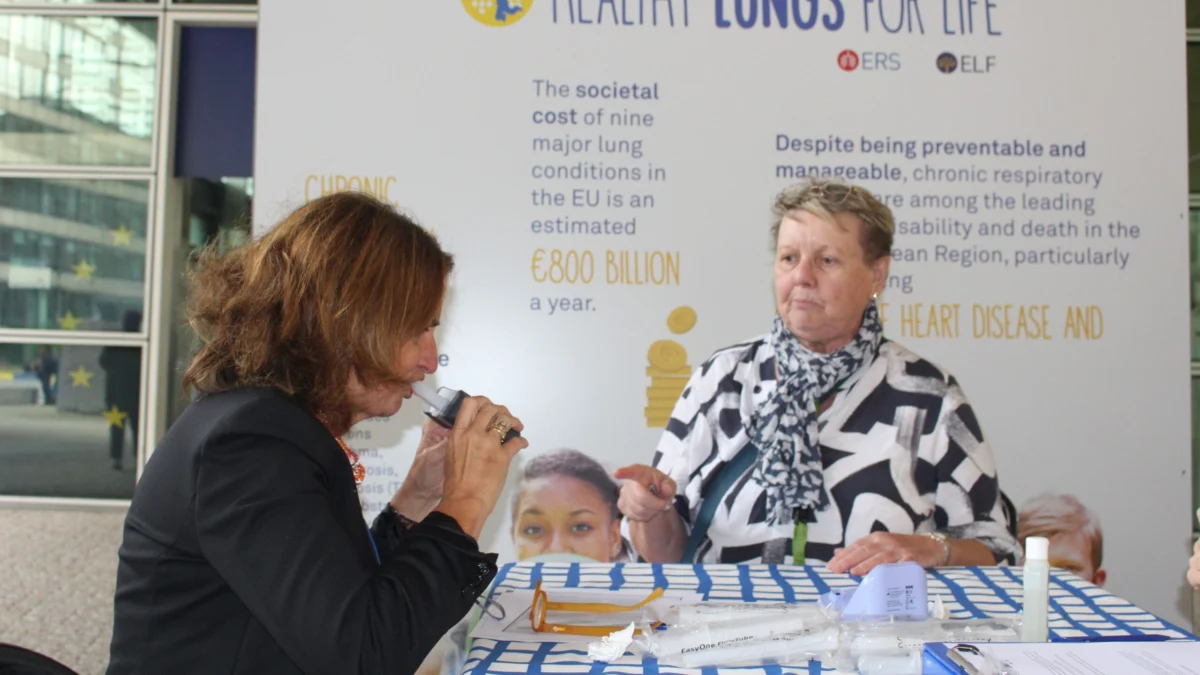
- 28 September – 4 October 2026: Across Belgium, Greece, Italy, Poland, Romania, and Spain, hundreds of decentralized events occurred. These sites offered citizens free, accessible spirometry testing and consultations regarding air quality, vaccination, and smoking cessation.
- 2 October 2026: Mid-week, the European Commission formally released its updated policy recommendation to the European Council. The policy explicitly mandates that cardiovascular screenings should henceforth be accompanied by respiratory assessments, citing the high co-morbidity rates between heart and lung conditions.
- 4 October 2026: The conclusion of the inaugural week, marked by a summit in Brussels summarizing the success of the pilot programs and setting the stage for standardized implementation across all 27 Member States.
Supporting Data: Why Respiratory Integration is Essential
The impetus for this policy shift is rooted in hard data. Respiratory diseases, including Chronic Obstructive Pulmonary Disease (COPD), asthma, and interstitial lung diseases, remain leading causes of morbidity and mortality globally. According to the data presented during the Screening Week, the economic burden of undiagnosed or late-diagnosed respiratory disease costs the European economy billions of euros annually in lost productivity and acute care expenditure.
Key insights derived from the event data include:
- The Heart-Lung Connection: Clinical research highlighted during the week shows that a significant percentage of patients presenting with cardiovascular symptoms also harbor undiagnosed respiratory dysfunction. By checking both simultaneously, clinics can capture high-risk patients who might otherwise fall through the cracks.
- Early Detection Efficiency: Evidence shared by ERS partners demonstrated that community-based spirometry—testing lung volume and flow—can identify early signs of obstruction or restriction years before clinical symptoms manifest. This provides a "window of opportunity" for lifestyle interventions, such as smoking cessation and environmental mitigation.
- Community Reach: Preliminary reports from the participating six countries suggest that "pop-up" testing sites reached populations that traditionally avoid primary care settings. By removing the bureaucratic barriers to entry—such as the need for a prior GP referral for a basic lung check—participation rates were significantly higher than in traditional hospital-led screenings.
Official Responses and Strategic Advocacy
The success of the Screening Week was heavily bolstered by the coordination between European institutions and independent medical societies. The collaboration between the European Respiratory Society and the European Lung Foundation ensured that the campaign was not just a bureaucratic mandate, but a scientifically rigorous public health endeavor.
Prof. Raquel Duarte, ERS Director of Scientific Relations with the EU, provided a candid assessment of the week’s achievements. In her official statement, she emphasized that the policy inclusion is merely the beginning of a larger systemic transformation.
"Making respiratory testing routine as part of regular health assessments is absolutely paramount if we want to reduce the health and economic burden of respiratory disease," Prof. Duarte stated. "This is why it was so important that the European Commission included respiratory testing in its recommendation to the European Council on cardiovascular health checks. We are not quite there yet, but thanks to significant efforts from the respiratory community—including ERS and ELF advocacy—we are getting closer to ensuring that respiratory health checks form part of standardised health checks across Europe."
The European Commission’s move reflects a wider trend of "preventive governance." By linking the health of the lungs to the health of the heart, the EU is attempting to streamline primary care, reducing the administrative burden on doctors by combining tests that provide a more comprehensive snapshot of patient health.
The Broader Implications for European Healthcare
The inclusion of respiratory testing in the EU’s screening framework has far-reaching implications for the future of European medicine.
1. The Standardization of "Holistic" Diagnostics
The primary implication is the end of the "silo" approach to chronic disease. By mandating that cardiovascular and respiratory checks occur in tandem, the European Council is pushing for a standardized "Preventive Health Passport" for citizens. This move suggests that in the near future, standard health check-ups will include a comprehensive battery of tests that assess not just blood pressure and cholesterol, but also vital lung capacity and oxygen saturation levels.
2. Economic Impact on Healthcare Systems
While the initial implementation of universal screening will require investment in equipment (such as standardized spirometers for primary care physicians) and staff training, the long-term economic outlook is positive. Early detection of COPD and other respiratory conditions allows for cheaper, home-based management strategies rather than the exorbitant costs associated with emergency hospitalizations and end-stage care.
3. Policy Influence on Member States
While the European Commission provides the recommendation, the real work lies ahead in the implementation at the national level. Member States are now incentivized to align their local health programs with these new EU guidelines to access supplemental funding and technological support. This creates a "race to the top," where countries are encouraged to modernize their diagnostic infrastructure to meet the new, more rigorous EU standards.
4. Environmental and Social Considerations
The Screening Week also emphasized the social determinants of health. The focus on smoking cessation and air quality awareness during the testing events acknowledges that respiratory health is inextricably linked to the environment. The policy shift signals to the European Council that health outcomes cannot be improved through medicine alone; they require a coordinated effort involving urban planning, industrial regulation, and public education.
Conclusion: A New Standard of Care
As the dust settles on the inaugural EU Screening Week, the medical community and political leaders are looking toward a future where "knowing your numbers" includes a clear understanding of one’s lung health. The integration of respiratory testing into the core of cardiovascular assessment is a triumph of evidence-based policy.
The success of this week has set a precedent: when medical societies, policy advocates, and governing bodies align their goals, they can effectively rewire the systems of care that protect the lives of over 450 million European citizens. While the road to full, standardized implementation across all Member States remains a complex, multi-year undertaking, the path is now clearly defined. Respiratory health is no longer an afterthought—it is a central pillar of the European vision for a healthier, more resilient population.
For further information on the events held during this week or to track the progress of the European Commission’s new recommendations, stakeholders are encouraged to visit the European Commission’s official EU Screening Week portal.