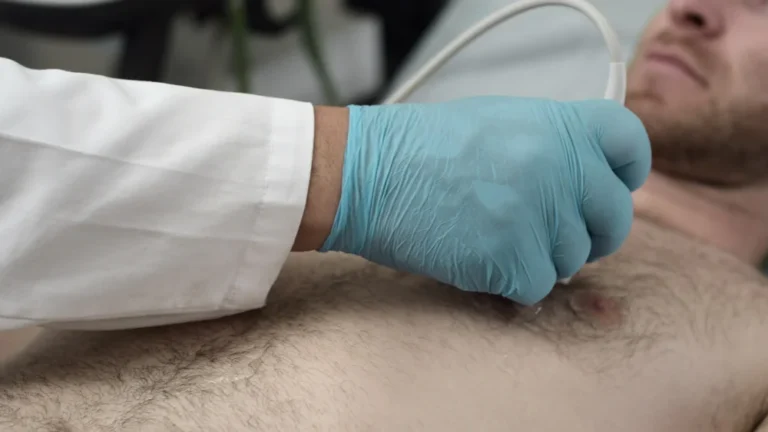











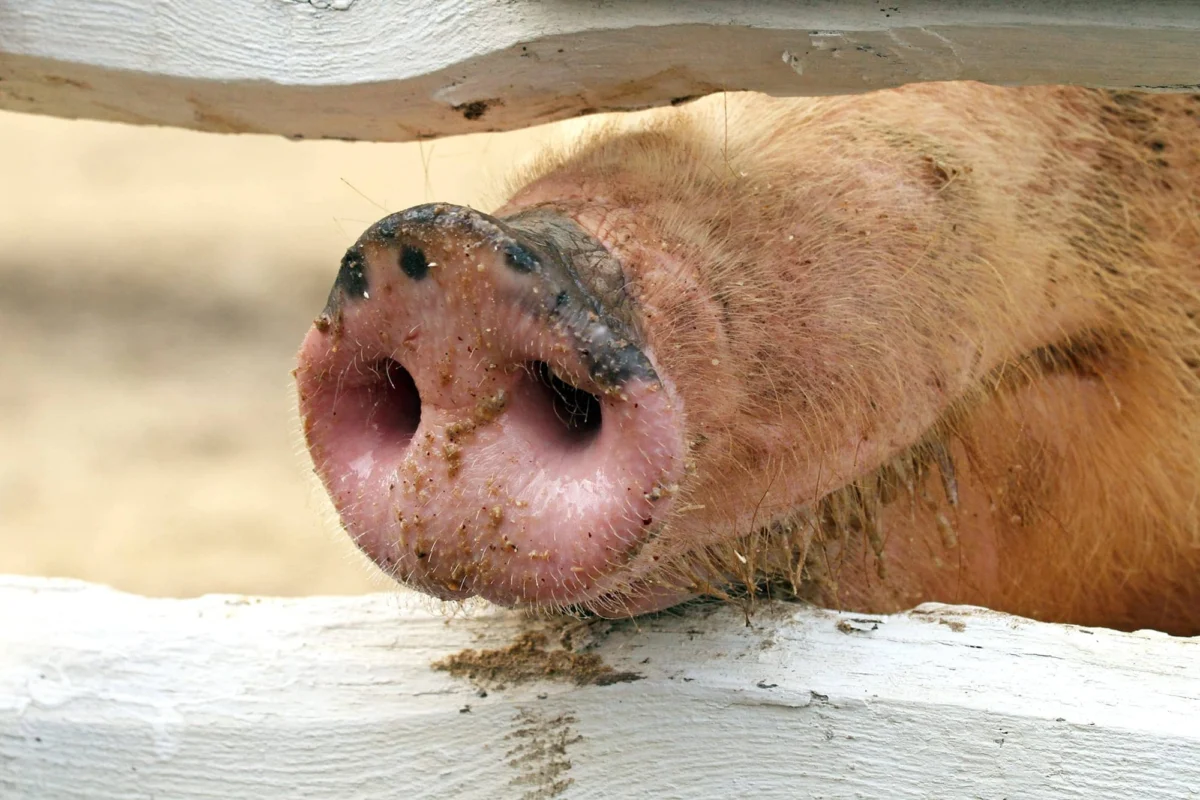
The delicate boundary between animal reservoirs and human health has been breached once again. In a significant finding published in Frontiers in Public Health, researchers have documented the first confirmed human infection of the swine-origin influenza A(H1N2)v virus in mainland China. While the patient, a toddler, has since made a full recovery, the case has sent a ripple of urgency through the global scientific community, underscoring the persistent and evolving threat of zoonotic disease transmission.
As the world continues to grapple with the complexities of post-pandemic infectious disease surveillance, this case serves as a stark reminder that the next pandemic pathogen may be incubating in domestic livestock. The integration of advanced genomic sequencing into routine clinical diagnostics has proven not just beneficial, but essential, in identifying pathogens that traditional methods might otherwise miss.
The Clinical Timeline: A Case Study in Diagnostic Persistence
The incident, which took place in Kunming, Yunnan Province, serves as a masterclass in the necessity of clinical vigilance. The patient, a 2-year-and-10-month-old boy with no prior underlying health conditions, was initially brought to medical attention suffering from a recurrent fever and a persistent, paroxysmal cough.
The Chronology of Infection
- Initial Presentation: Upon admission, the child exhibited clear signs of respiratory distress. Clinical assessments confirmed an influenza A infection alongside a concurrent Haemophilus influenzae bacterial infection.
- Diagnostic Complications: A chest computed tomography (CT) scan revealed concerning pulmonary markers—specifically increased and blurred pulmonary shadows, which indicated the development of bronchopneumonia.
- The Testing Discrepancy: Curiously, initial reverse transcription polymerase chain reaction (PCR) tests for the specific swine-origin virus were negative. This created a diagnostic gap: while the child was clearly suffering from a severe respiratory illness, standard screening tools failed to pinpoint the unique viral culprit.
- The Breakthrough: It was only through the application of next-generation sequencing (NGS) on an oropharyngeal swab that the full viral genome was successfully recovered. This advanced genetic analysis revealed a complex reassortant virus, a genetic mosaic derived from swine H1N1, H1N2, and H3N2 lineages known to circulate in Chinese swine populations.
- Recovery: The boy was placed on a regimen of cefoperazone–sulbactam, oseltamivir, ambroxol, and nebulized budesonide. Following a period of intensive treatment, the patient’s respiratory symptoms subsided, and he was cleared for discharge after a full recovery.
Decoding the Virus: Why Genomic Surveillance Matters
The discrepancy between the initial PCR results and the subsequent genomic identification is a critical point of interest for epidemiologists. The researchers suggest that the false-negative PCR result was likely a byproduct of a low viral load, the timing of the specimen collection, or perhaps the inadequate recovery of infected cells during the swab process.
This scenario illustrates a growing paradigm shift in infectious disease medicine: relying solely on standard PCR-based diagnostics in the face of strong clinical suspicion is increasingly viewed as insufficient. By employing next-generation sequencing, medical professionals can "read" the genetic blueprint of a pathogen even when it hides from standard, targeted tests.
The virus identified in this case is a "reassortant"—a biological chimera. Influenza viruses are notorious for their ability to swap genetic material when a single host is infected with multiple strains simultaneously. This constant shuffling allows the virus to adapt, potentially gaining the ability to jump from animals to humans. The identification of this specific H1N2 variant underscores the danger of the "swine reservoir," where multiple influenza lineages circulate in close proximity, providing the perfect laboratory for viral evolution.
The Epidemiological Link: The Role of Livestock Proximity
Following the diagnosis, public health officials conducted a thorough investigation into the child’s environment. The patient resided in a rural compound where the living quarters were shared with, or situated in close proximity to, domestic animals, including pigs, chickens, and pigeons.
The investigative team discovered that a pig owned by a relative of the child had died shortly after the child began displaying symptoms. Furthermore, two other pigs on the property were reported to be suffering from cough and diarrhea. Samples taken from the deceased pig confirmed the presence of an influenza A virus, strongly suggesting that the porcine population was the source of the zoonotic spillover.
Containing the Spread
While the potential for a larger outbreak was a significant concern, the news from the field is currently reassuring. Public health authorities conducted rigorous monitoring of 30 close contacts of the child, including family members and healthcare workers. To date, there has been no evidence of human-to-human transmission, and no secondary infections have been identified. This indicates that while the virus was capable of jumping from a pig to a human, it has not yet achieved the mutations necessary for efficient human-to-human spread.
Implications for Global Public Health
This case in Kunming is not an isolated event but a sentinel for a much larger, global issue. The rapid expansion of livestock farming, combined with the close proximity of humans to animals in rural settings, creates a high-risk environment for the emergence of novel pathogens.
The "One Health" Imperative
The study authors emphasize the necessity of the "One Health" approach—a collaborative, multisectoral strategy that recognizes the interconnection between people, animals, plants, and their shared environment. Key takeaways for the medical and agricultural communities include:
- Enhanced Screening: Healthcare providers must include detailed exposure histories in their intake process. Asking patients about recent contact with livestock—even if the contact seems mundane—should become a standard component of clinical assessment for influenza-like illnesses.
- Cross-Sector Coordination: There is an urgent need for better data sharing between veterinary and human health surveillance systems. If a pig falls ill, human healthcare providers in the surrounding area should be alerted to the potential for zoonotic risk.
- Investment in Genomic Infrastructure: As demonstrated by the Kunming case, the ability to perform rapid, local genomic sequencing is a vital defense mechanism. Countries must invest in the laboratory infrastructure necessary to perform advanced diagnostics in real-time, rather than relying on centralized, slow-moving testing networks.
Conclusion: Preparing for the Future
The emergence of the H1N2(v) virus in China is a stark reminder that the influenza virus remains one of the most agile and unpredictable threats to global health. While the child in this instance made a full recovery and the virus did not spread further, the incident exposes the "cracks" in our surveillance armor.
As we look to the future, the focus must shift from reactive responses to proactive mitigation. This includes stricter biosecurity measures on small-scale farms, increased vaccination of livestock where appropriate, and the institutionalization of genomic surveillance as a standard of care. The story of the young boy in Kunming is a success story of modern medicine, but it is also a warning: the next reassortant virus may not be as contained, and our best defense remains the vigilance of those on the front lines of public health.
Reference:
Zhao D et al. "First report of human infection caused by swine-origin influenza A(H1N2)v virus in mainland China: a confirmed case identified through influenza-like illness surveillance, Kunming (Yunnan), 2025." Frontiers in Public Health. 2026;14:1893536.