








By Jana Wu, LCSW, LADC
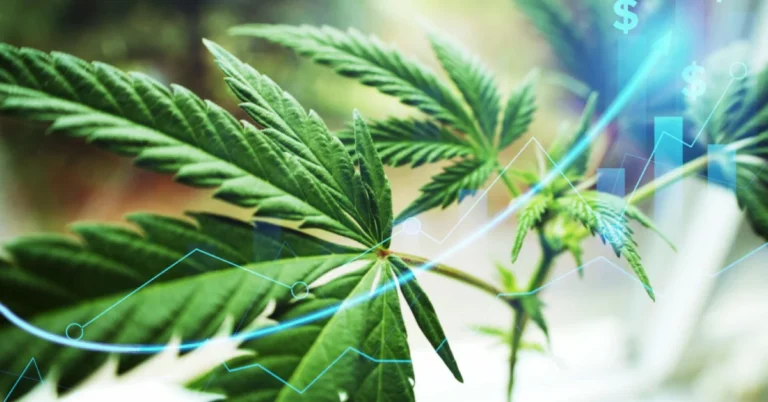
In recent years, the landscape of the American wellness market has undergone a subtle but significant shift. Walk into any local gas station, trendy vape shop, or boutique health food store, and you are increasingly likely to find products labeled "contains kratom." Packaged as powders, capsules, teas, and extracts, these products have migrated from the niche corners of the internet to the mainstream retail shelf.
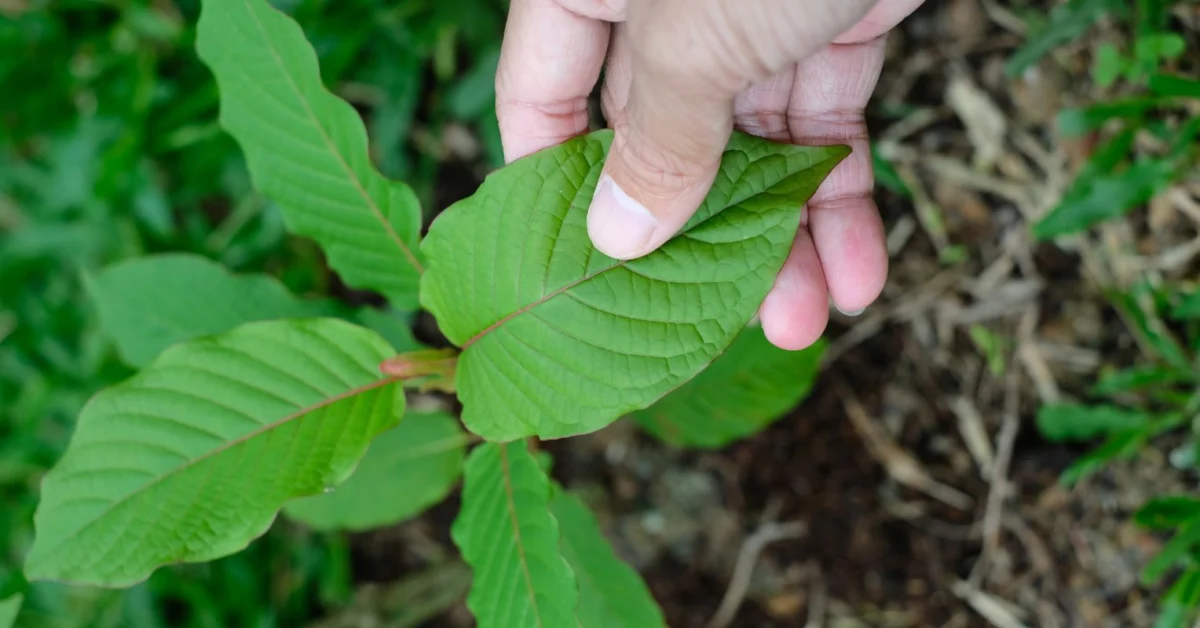
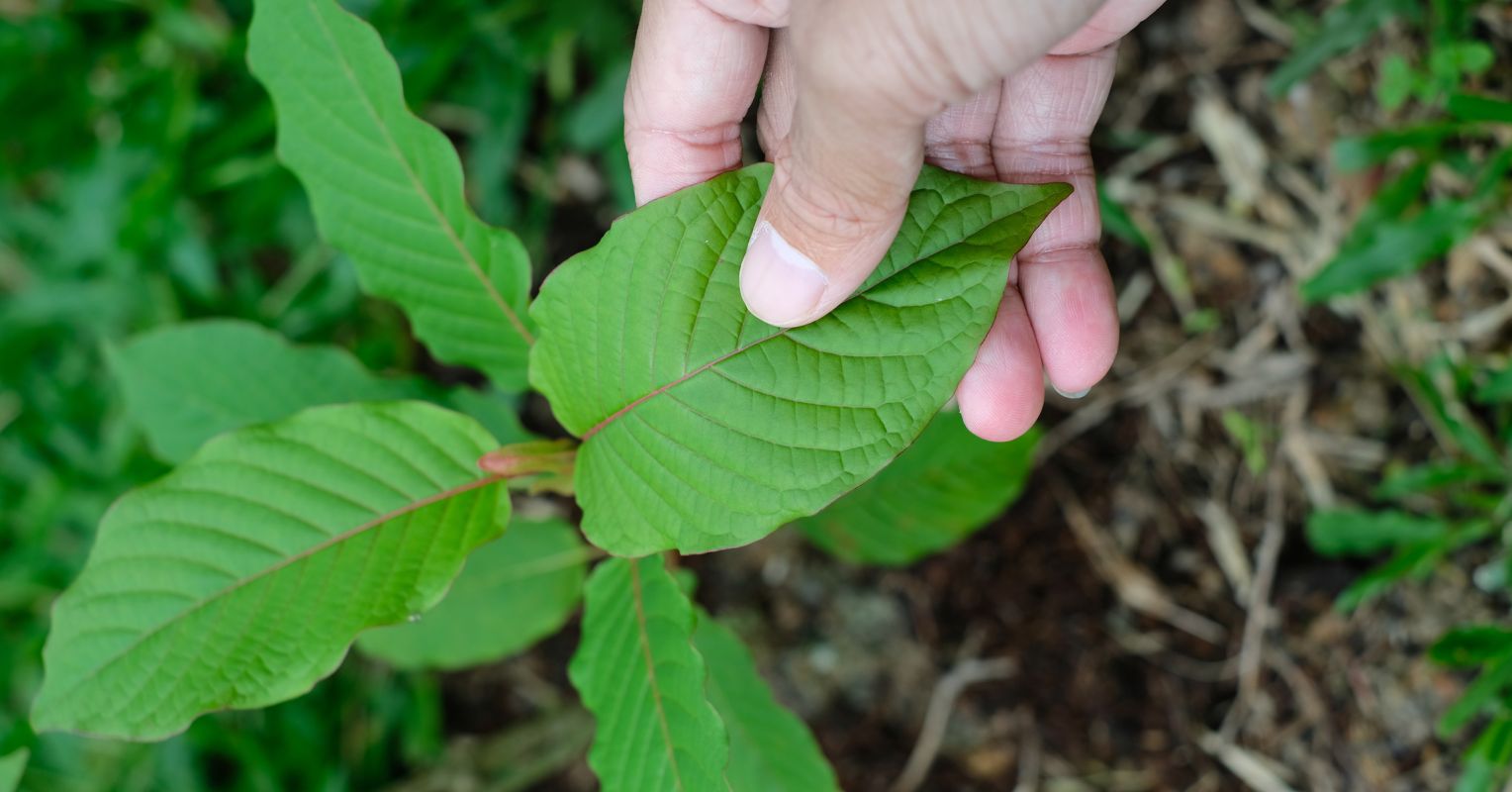
Native to the tropical climates of Southeast Asia, Mitragyna speciosa—commonly known as kratom—is a centuries-old botanical substance. Traditionally, laborers in countries like Thailand and Malaysia chewed the leaves to sustain energy during grueling shifts and to mitigate the physical aches associated with heavy manual labor. Today, however, that traditional use has been repackaged for the Western consumer. Proponents characterize kratom as a "lifesaving natural supplement," claiming it serves as a panacea for everything from chronic pain and low libido to the complex symptoms of PTSD, anxiety, depression, and opioid withdrawal.
Yet, beneath this "natural" marketing narrative lies a complex, often dangerous reality. As the substance gains traction, healthcare professionals, legislators, and regulatory bodies are scrambling to understand the implications of a substance that lacks federal oversight, standardized dosing, and rigorous clinical validation.
The Facts: What Is Kratom?
Kratom is a tropical evergreen tree in the coffee family. Its leaves contain active compounds, primarily mitragynine and 7-hydroxymitragynine, which interact with the opioid receptors in the brain. At lower doses, kratom is often reported to have stimulant-like effects, increasing alertness and energy. At higher doses, it functions more like a sedative, producing analgesic effects and a sense of calm.
It is this dual nature that makes the substance particularly alluring—and particularly treacherous. Because it interacts with the same neurological pathways as opioids, individuals suffering from chronic pain or those attempting to manage opioid withdrawal often turn to kratom as an accessible, "natural" alternative to traditional pharmacology. However, because it is not regulated by the Food and Drug Administration (FDA), there is no guarantee regarding the purity, concentration, or safety of the products currently on the market.
Chronology of a Regulatory Crisis
The rise of kratom in the United States has not been a linear progression, but rather a rapid expansion followed by a fractured regulatory response.
- Pre-2010s: Kratom remains largely unknown to the general American public, confined to botanical enthusiasts and specific cultural demographics.
- 2010–2020: The substance experiences a surge in popularity as the opioid epidemic devastates communities across the U.S. Desperate for relief, many individuals turn to kratom as a self-managed treatment for opioid use disorder (OUD) and chronic pain.
- 2018: The FDA issues a stern warning, linking kratom use to significant health risks and declaring that there is no evidence to suggest it is safe or effective for any medical use.
- 2022: The FDA reinforces its position, cautioning consumers against the use of kratom due to the potential for abuse, addiction, and serious adverse health effects.
- 2023: Recognizing the lack of federal movement, individual states begin taking the lead. On June 2, 2023, Florida signed the "Kratom Consumer Protection Act" into law. This legislation represents a pivot toward harm reduction, banning the sale of kratom to individuals under 21 and establishing formal definitions for "kratom products" to prevent adulteration.
This state-by-state approach has created a fragmented regulatory environment. While some states move to regulate the industry, others remain in a legislative gray area, leaving the average consumer to navigate a marketplace where the product they purchase may be contaminated with heavy metals, salmonella, or other illicit substances.
Supporting Data: The Scope of Use and Risk
Estimates suggest that over two million Americans currently use kratom, with high concentrations of users in the Northeast and Florida. The attraction is largely rooted in perceived efficacy. In one significant study published in Frontiers in Pharmacology, over 90 percent of respondents reported that kratom was "very effective" in managing their physical pain.
However, this perceived efficacy often masks the underlying risk of dependence. In clinical settings, the pattern of "self-medication" is a recurring theme. When individuals use kratom to manage the withdrawal symptoms of opiates, they often fail to address the root psychological causes of their distress. Consequently, they swap one dependence for another.
The physical side effects of long-term or high-dose kratom use are documented and severe. According to the Mayo Clinic and other clinical observations, regular users are at risk for:
- Cardiovascular issues: Elevated heart rate, hypertension, and heart palpitations.
- Neurological impacts: Tremors, seizures, and in extreme cases, psychosis.
- Gastrointestinal distress: Nausea, constipation, and vomiting.
- Behavioral changes: Irritability, social withdrawal, and a loss of interest in previously enjoyed activities.
Official Responses and the Medical Perspective
The official stance from federal agencies remains one of caution. The FDA has yet to approve kratom for any medical purpose, citing a lack of clinical evidence. From a clinical perspective, the most pressing concern is the lack of "informed consent." Consumers are often misled by marketing that implies "natural" is synonymous with "harmless."
As healthcare providers, our responsibility is to move beyond the binary of "pro-kratom" or "anti-kratom" and instead foster a space for intellectual curiosity and public education. When we treat patients struggling with kratom use, we see the ripple effects: shattered family relationships, financial ruin as individuals spend thousands of dollars to maintain their habits, and the professional fallout of missed work and impaired judgment.
The "withdrawal" experience for long-term users is another significant, yet often overlooked, clinical reality. Stopping kratom abruptly can trigger a host of symptoms—insomnia, muscle aches, anxiety, and profound depression—that mimic the withdrawal process of traditional opiates.
Implications: The Path Toward Recovery
For those currently struggling with kratom dependence, the path forward requires a comprehensive, holistic approach.
1. Medical Detoxification
While kratom withdrawal is rarely fatal, the acute symptoms can be physically debilitating. Medical detox is highly recommended to manage symptoms like nausea, chills, and muscle pain. In some cases, medication-assisted treatment (MAT) may be necessary to stabilize the patient, similar to the protocols used for opioid recovery.
2. Psychological Intervention
Detox is only the first step. To achieve lasting recovery, patients must engage in individual, group, and family therapy. These sessions are designed to uncover the "why" behind the abuse. Are they using kratom to numb trauma? To suppress anxiety? Through mindfulness, meditation, and cognitive behavioral therapy, patients can learn to identify their triggers and develop healthy coping mechanisms that don’t rely on chemical substances.
3. Community and Support
The isolation inherent in addiction is one of its most destructive features. Support groups provide a vital lifeline, allowing individuals to share their experiences without judgment. At Mountainside, we are currently developing exploratory support groups specifically for kratom users, focusing on topics like long-term effects, the impact of the substance on family dynamics, and the pursuit of safe, evidence-based health practices.
A Call for Future Research
The story of kratom is far from over. It is a cautionary tale about what happens when public interest outpaces clinical research. While there may be potential for the botanical compounds in kratom to be harnessed for therapeutic benefit, we are currently years, if not decades, away from that reality.
In the absence of FDA approval, standardized dosing, and robust longitudinal studies, we are left with a "Wild West" market. The implications are clear: without greater regulation and an emphasis on professional guidance, we will continue to see individuals suffer from the unintended, often severe, consequences of long-term kratom use.
We must advocate for a more nuanced discourse—one that respects the history of the plant while acknowledging the modern risks of its unregulated use. If you or a loved one are using kratom to manage a health condition, I urge you to consult with a healthcare professional. There are safe, FDA-approved, and evidence-based treatments available that can provide relief without the uncertainty and dangers of the current kratom market.
As we move forward, our priority must be informed consent. Only through transparency, rigorous scientific inquiry, and compassionate care can we protect the public and ensure that "wellness" remains a pursuit of health rather than a trap of dependence.
Jana Wu is the Director of Cultural Integration at Mountainside treatment center. She is a Licensed Clinical Social Worker (LCSW) and a Licensed Alcohol and Drug Counselor (LADC) dedicated to helping individuals navigate the complexities of substance use and mental health recovery.
To find a qualified therapist in your area, please visit the Psychology Today Therapy Directory.