





For many individuals over the age of 60, the simple act of standing up from a chair, climbing a flight of stairs, or navigating uneven pavement can become a source of anxiety. Knee discomfort is one of the most common physical challenges in the aging population, often leading to a cycle of inactivity that further weakens the very muscles needed to support the joint. However, fitness experts and physical therapists are increasingly turning to a simple, accessible solution: the wall.
By utilizing a standard household wall, individuals can build confidence and strength through controlled, supported movements. This 10-minute routine is designed to provide a "safety net" for your joints, allowing you to train the muscles surrounding the knee without the fear of losing your balance.
The Science of Knee Support in Later Life
Knee stability is not just about the joint itself; it is about the "muscular architecture" that surrounds it. After 60, the natural reduction in muscle mass—known as sarcopenia—can make the knees feel vulnerable. When the quadriceps, glutes, and calves weaken, the knee joint absorbs more of the impact of daily movement, leading to stiffness and discomfort.
Research published in leading health journals consistently highlights that resistance training is the gold standard for managing these symptoms. The primary objective of knee-strength training is not necessarily to "lift heavy," but to improve proprioception—the body’s ability to perceive its position in space—and to ensure the muscles are firing in the correct sequence. A wall serves as a vital tool in this process, providing a fixed reference point that lowers the neurological barrier to movement. When your body feels "held," you can focus entirely on the quality of the contraction rather than the fear of falling.
A Chronological Approach to the 10-Minute Routine
To maximize the benefits of this routine, consistency is more important than intensity. The following sequence should be performed for two full rounds. Each exercise lasts 40 seconds, with a 20-second transition period between movements to allow for proper form reset.
1. The Wall Squat: Building Foundation
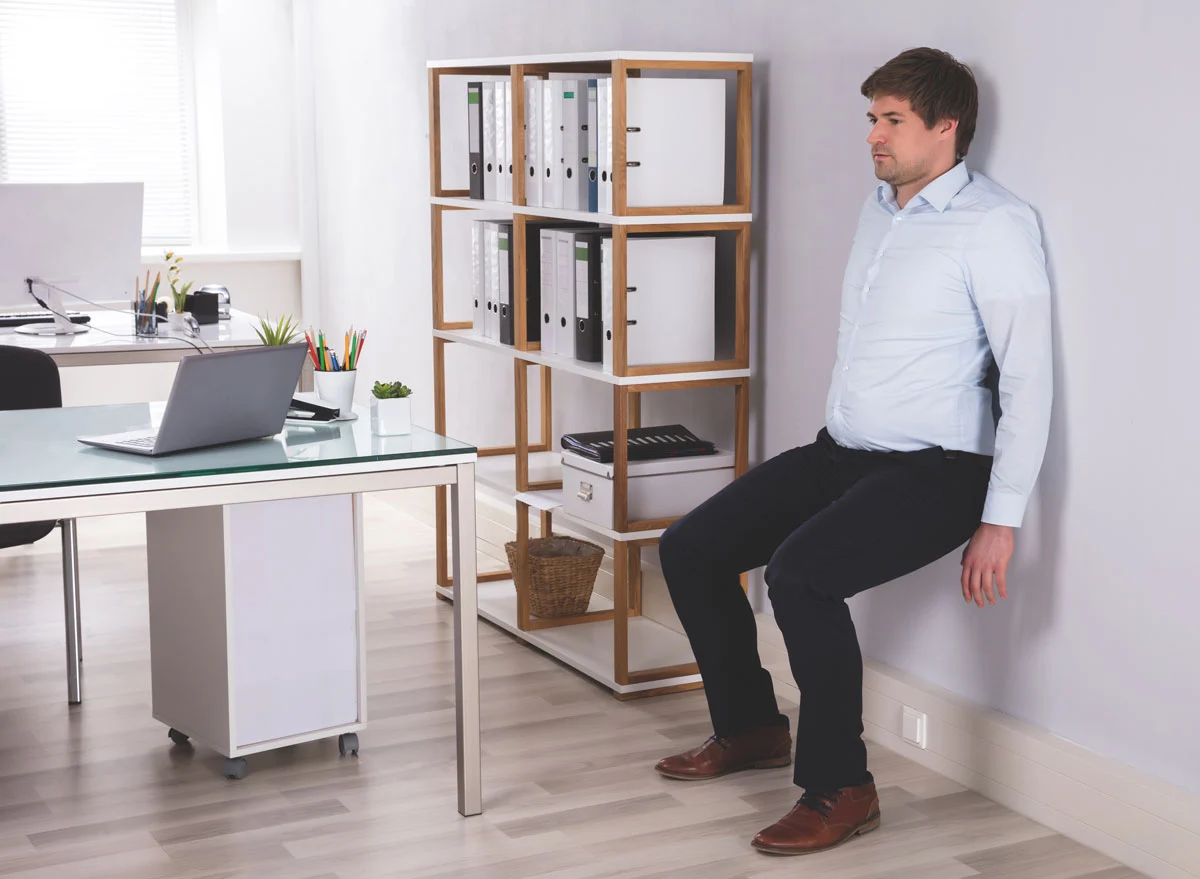
The wall squat is the cornerstone of lower-body strength. By keeping your back against the wall, you eliminate the need for complex balance adjustments, allowing you to focus on the hinge of the hip and the bend of the knee.
- How to: Stand with your feet shoulder-width apart, leaning your back against a flat wall. Slowly slide down until your knees are at a comfortable, shallow angle. Push through your heels to return to a standing position.
- Why it works: It teaches the body the mechanics of a squat while maintaining a vertical spine, which protects the lower back.
2. The Wall Sit Hold: Isometric Endurance
Isometric exercises—where the muscle is held in a static state of contraction—are excellent for building ligamentous health without the stress of repetitive joint friction.
- How to: Slide down the wall into a seated position. Hold the position for 40 seconds. If your legs begin to shake, that is a sign of muscle engagement; however, ensure you do not drop so low that your knees feel strain.
- Why it works: This builds the "stamina" needed to stand for long periods, such as while cooking or waiting in line.
3. The Wall-Supported Reverse Lunge
Unilateral (one-sided) training is critical after 60 to address strength imbalances between the left and right legs.
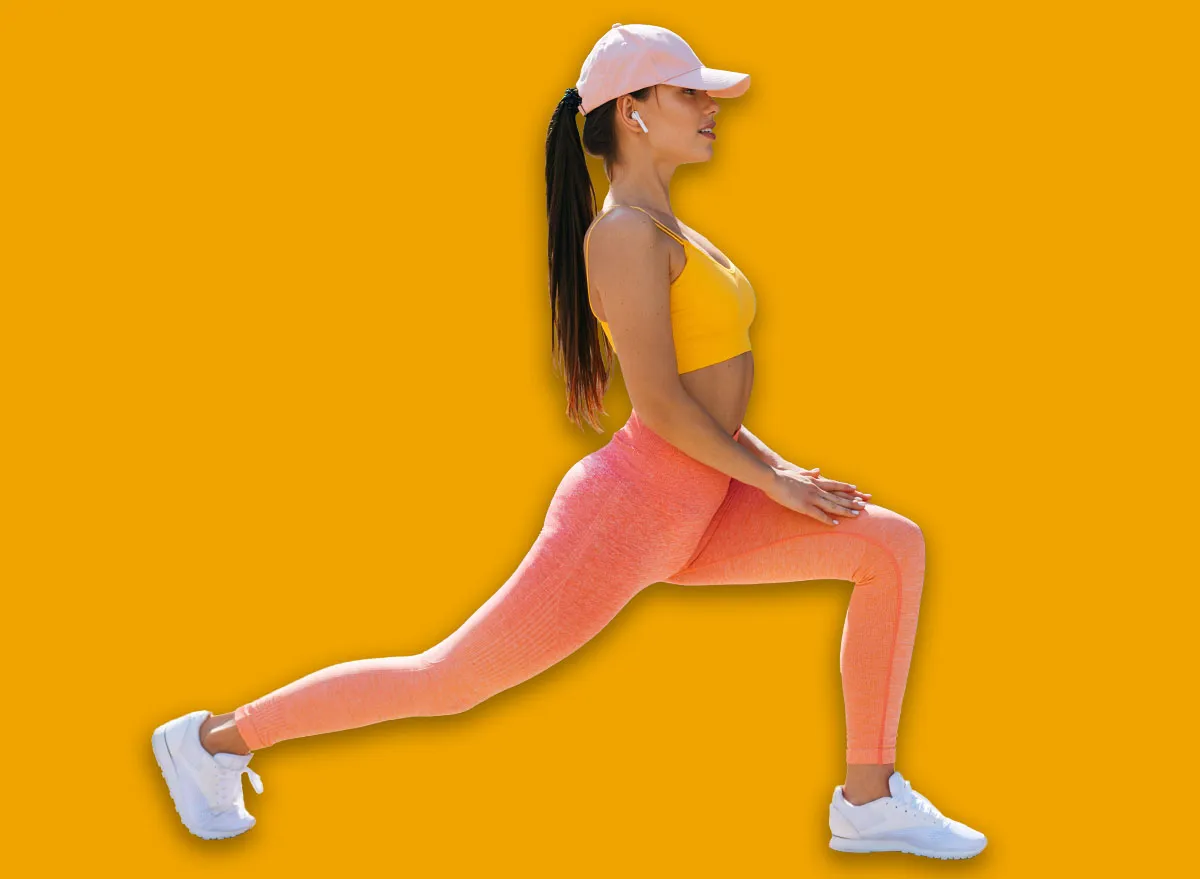
- How to: Facing the wall, place your hands lightly on the surface for balance. Step one foot back, dropping the back knee toward the floor while keeping the front knee aligned with your ankle. Return to the starting position.
- Why it works: It mimics the natural motion of walking and stepping up, ensuring both legs carry their weight equally.
4. Standing Leg Extension: Targeting the Quads
The quadriceps are the primary shock absorbers for the knee.
- How to: Stand facing the wall for support. Lift one knee toward your chest and slowly extend your lower leg forward, engaging the front of the thigh. Hold for a second, then lower.
- Why it works: It isolates the quadriceps, helping to reduce the "clicking" or weakness often felt during extension.
5. Wall-Supported Calf Raises: The Ankle-Knee Link
The calves act as the foundation for the entire kinetic chain of the leg.
- How to: Place your hands on the wall. Rise onto the balls of your feet, hold briefly, and lower your heels back to the ground.
- Why it works: Stronger calves provide better ankle stability, which in turn reduces the torsional (twisting) stress placed on the knees.
Supporting Data and Clinical Implications
Data from the National Institutes of Health (NIH) and various geriatric sports medicine studies suggest that supervised or guided resistance training can reduce knee-related pain in seniors by up to 30% over a 12-week period. The shift from "avoiding movement" to "controlled movement" is the most significant factor in recovery.
Clinical observations suggest that the "fear-avoidance" model—where patients stop moving because they are afraid of pain—is the greatest contributor to long-term knee dysfunction. By utilizing wall support, the patient effectively hacks this psychological barrier. The wall provides a tactile, solid feedback mechanism that signals the brain that the movement is safe, allowing the nervous system to "unlock" the muscles for a more effective workout.
Implications for Daily Living
The goal of this 10-minute routine is not to prepare for a marathon, but to prepare for the "marathon of life." The implications of increased knee strength are profound:
- Increased Independence: The ability to rise from a deep sofa or a car seat without assistance.
- Reduced Fall Risk: Improved muscular control directly correlates to a lower incidence of stumbles and falls.
- Better Gait: Stronger legs lead to a more confident, purposeful stride, which reduces the uneven loading of joints that occurs with a hesitant, "shuffling" gait.
Expert Guidance and Long-Term Success
Jarrod Nobbe, a certified sports performance coach, emphasizes that the journey to stronger knees is a marathon, not a sprint. "Progress may show up first as less hesitation," Nobbe notes. "You might find that you no longer need to grab the handrail as tightly when going down the stairs, or that you can stand up from a dining chair without using your arms for momentum."
To ensure long-term success, consider the following lifestyle adjustments to complement the wall routine:
- Hydration: Proper water intake keeps the synovial fluid in the joints viscous and healthy.
- Protein Consumption: Aging muscles require more protein to repair and grow. Ensure you are incorporating lean sources of protein into your daily meals.
- Active Recovery: Walking on flat, even surfaces is a perfect partner to the wall routine. It keeps the joints lubricated without excessive impact.
- Consistency: Aim for 3 to 4 days a week initially. The routine is short enough to be sustainable, which is the most important metric for any fitness program.
Conclusion: A New Perspective on Aging
Aging is not an inevitable decline of function, but a changing requirement for how we maintain our bodies. The 10-minute wall routine represents a shift in how we approach joint health: moving away from invasive interventions and toward empowering ourselves with functional, home-based strength. By dedicating just ten minutes a day to these wall-supported exercises, you are not just strengthening your knees—you are investing in your autonomy, your confidence, and your ability to remain active for years to come.
Disclaimer: Before beginning any new exercise regimen, especially if you have a history of orthopedic injury or chronic pain, consult with your physician or a licensed physical therapist to ensure these movements are appropriate for your specific condition.