In the pursuit of advanced yoga asana, practitioners often fixate on the "glamour" muscles: the core, the glutes, and the shoulders. We chase the perfect handstand, the deepest backbend, and the most fluid transition. Yet, tucked away at the base of our kinetic chain lies one of the most overlooked components of athletic longevity and postural integrity: the ankles.
As of August 2026, experts in physical therapy and biomechanics are increasingly emphasizing that ankle stability is not merely a preventative measure against injury, but the fundamental prerequisite for true, effortless balance. Whether you are navigating a crowded city street or transitioning through a complex Vinyasa flow, your ankles act as the primary interface between your body and the earth. Ignoring their development is akin to building a skyscraper on a shifting foundation.
The Biomechanics of Balance: Why Ankles Matter
The ankle joint is a marvel of biological engineering. It must be mobile enough to navigate uneven terrain and stable enough to support the entirety of the body’s weight during dynamic movement. In a yoga context, the ankle acts as the primary sensory organ for balance. Through a process known as proprioception—the body’s ability to perceive its position in space—the tiny muscles and tendons surrounding the ankle joint send constant feedback to the brain, allowing for the micro-adjustments that keep us upright.
When these structures are weak, the body compensates by over-relying on the knees and hips, which can lead to a cascade of joint degradation over time. By consciously strengthening the ankles, practitioners not only reduce the risk of acute injuries, such as rolls and sprains, but also unlock a higher degree of control in standing postures, arm balances, and transitional movements.
Chronology of Awareness: From Functional Movement to Yogic Mastery
The realization that ankle strength is a pillar of yoga practice has evolved alongside our broader understanding of sports science.
- Early 2010s: The "Core-Centric" Era dominated, with yoga discourse almost exclusively focusing on the rectus abdominis and the pelvic floor as the keys to stability.
- 2018–2022: A shift occurred as sports medicine professionals began integrating into the yoga community. Research highlighted that ankle proprioception was the primary predictor of balance retention in aging populations.
- 2023–Present: The "Joint-Centric" movement emerged. Modern practitioners now recognize that joint health—specifically in the wrists and ankles—is the "unsung hero" of sustainable practice. This evolution has led to the inclusion of specific conditioning sequences designed to fortify the lower extremities before moving into peak poses.
Supporting Data: The Anatomy of Stability
Clinical observations indicate that the ankle joint is susceptible to "habitual weakness." Because we spend the majority of our lives in supportive footwear on flat surfaces, the intrinsic muscles of the feet and the stabilizers of the ankle (the tibialis posterior, peroneals, and the extrinsic extensors) often atrophy.
Studies in biomechanical efficiency suggest that a 15% increase in ankle-stabilizing strength correlates with a 30% improvement in balance-test performance during standing yoga postures. Furthermore, data from orthopedic clinics show that practitioners who incorporate targeted ankle conditioning report fewer instances of chronic plantar fasciitis and Achilles tendonitis, suggesting that strengthening the surrounding musculature relieves undue tension on the connective tissues.
Expert Perspectives: The Shift Toward Proactive Care
Leading yoga educators and physical therapists are currently advocating for a "bottom-up" approach to teaching.
"If you want to master the peak, you must honor the base," says Dr. Elena Vance, a consultant in orthopedic sports yoga. "We see too many practitioners struggling with Eagle Pose or Tree Pose not because their core is weak, but because their ankles are essentially ‘blind’ to the subtle shifts in gravity. When the ankle is strong, the rest of the body can relax. When it’s weak, the nervous system stays in a state of high alert, preventing the very stillness we seek in our practice."
This perspective is changing how teacher training programs are structured. Rather than rushing students into complex shapes, there is a renewed emphasis on "foundation work"—teaching students how to distribute weight across the tripod of the foot and engage the ankle stabilizers before ever attempting an inversion or a deep balance.
The 5 Pillars of Ankle Stability: A Targeted Sequence
To cultivate this essential strength, the following five poses are now considered the gold standard for ankle development.
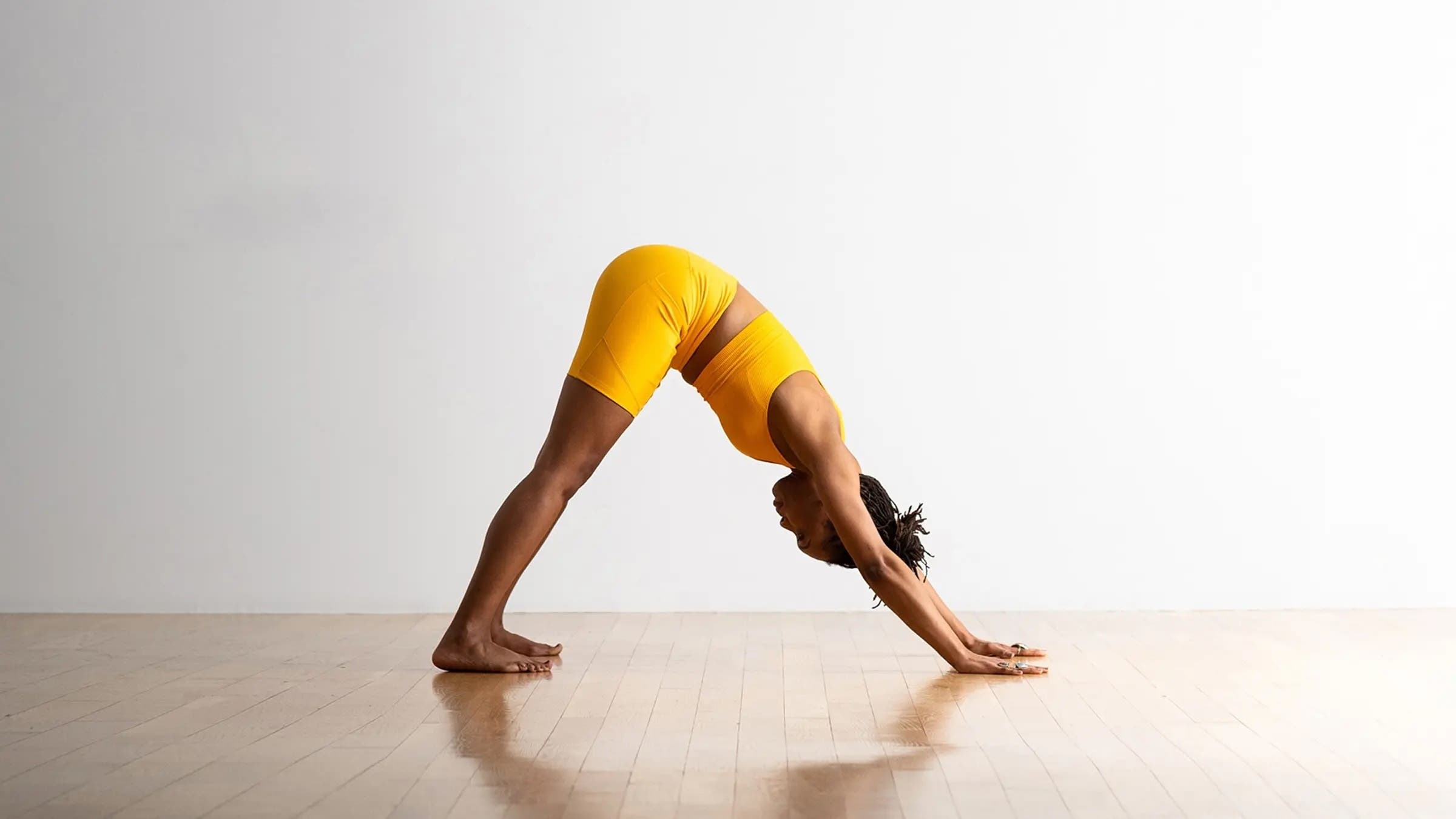
1. Downward-Facing Dog (Adho Mukha Svanasana)
While often treated as a resting pose, Downward-Facing Dog is a masterclass in weight-bearing stability. In this shape, the ankles are forced to support the body in a way that requires both strength and flexibility. By pedaling the feet or swaying the hips, practitioners force the ankle stabilizers to adapt to dynamic loads. It serves as an immediate diagnostic tool: if you feel "wobbly" here, your foundation is likely compromised.
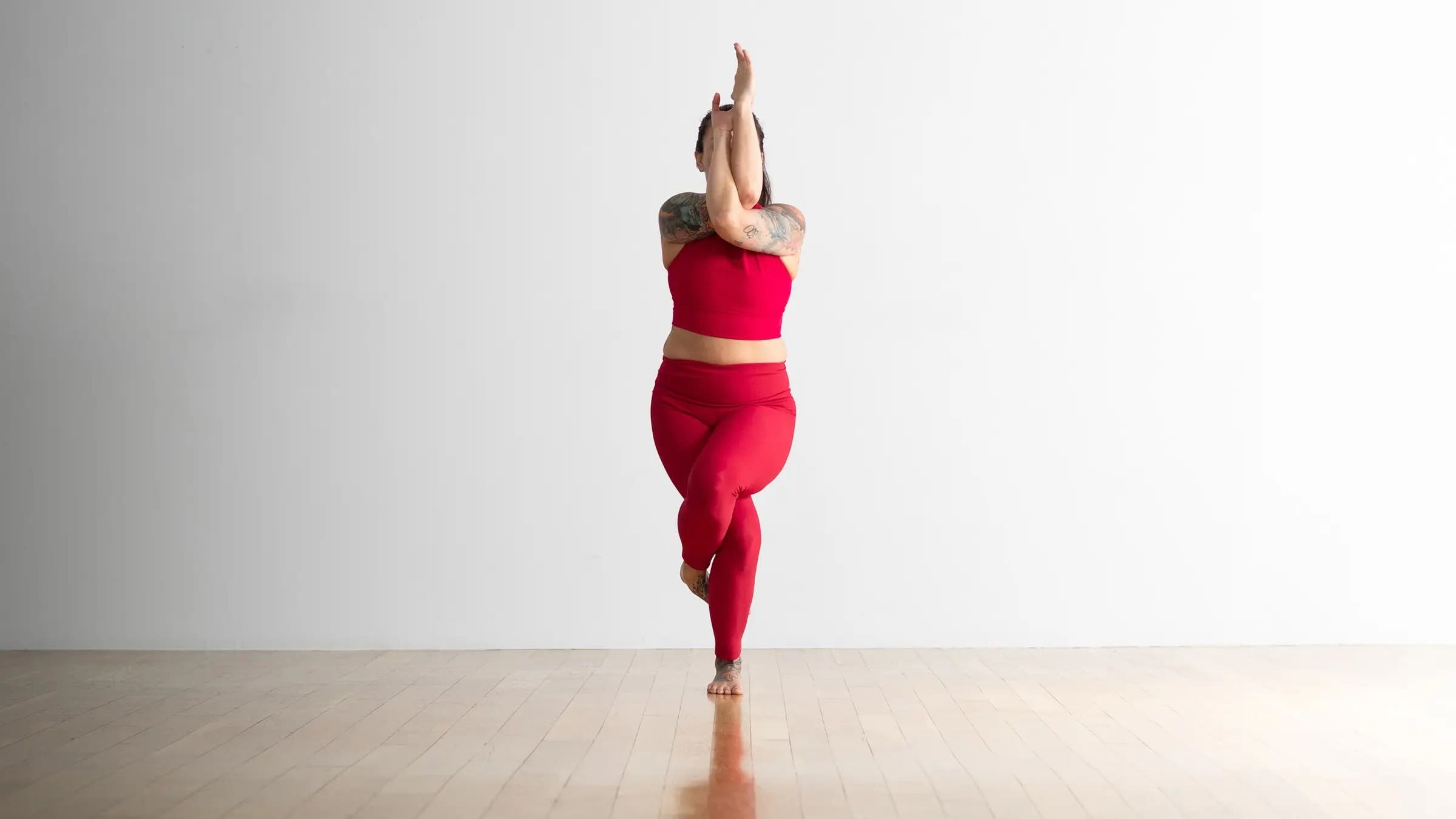
2. Eagle Pose (Garudasana)
Eagle Pose is perhaps the ultimate test of ankle endurance. By balancing on one leg while wrapping the other, you force the standing ankle to handle a complex, shifting center of gravity. This pose demands that the ankle muscles fire rapidly to prevent the foot from rolling. With repeated practice, the ankle learns to "lock" into a position of strength, even when the body is in a state of compression.
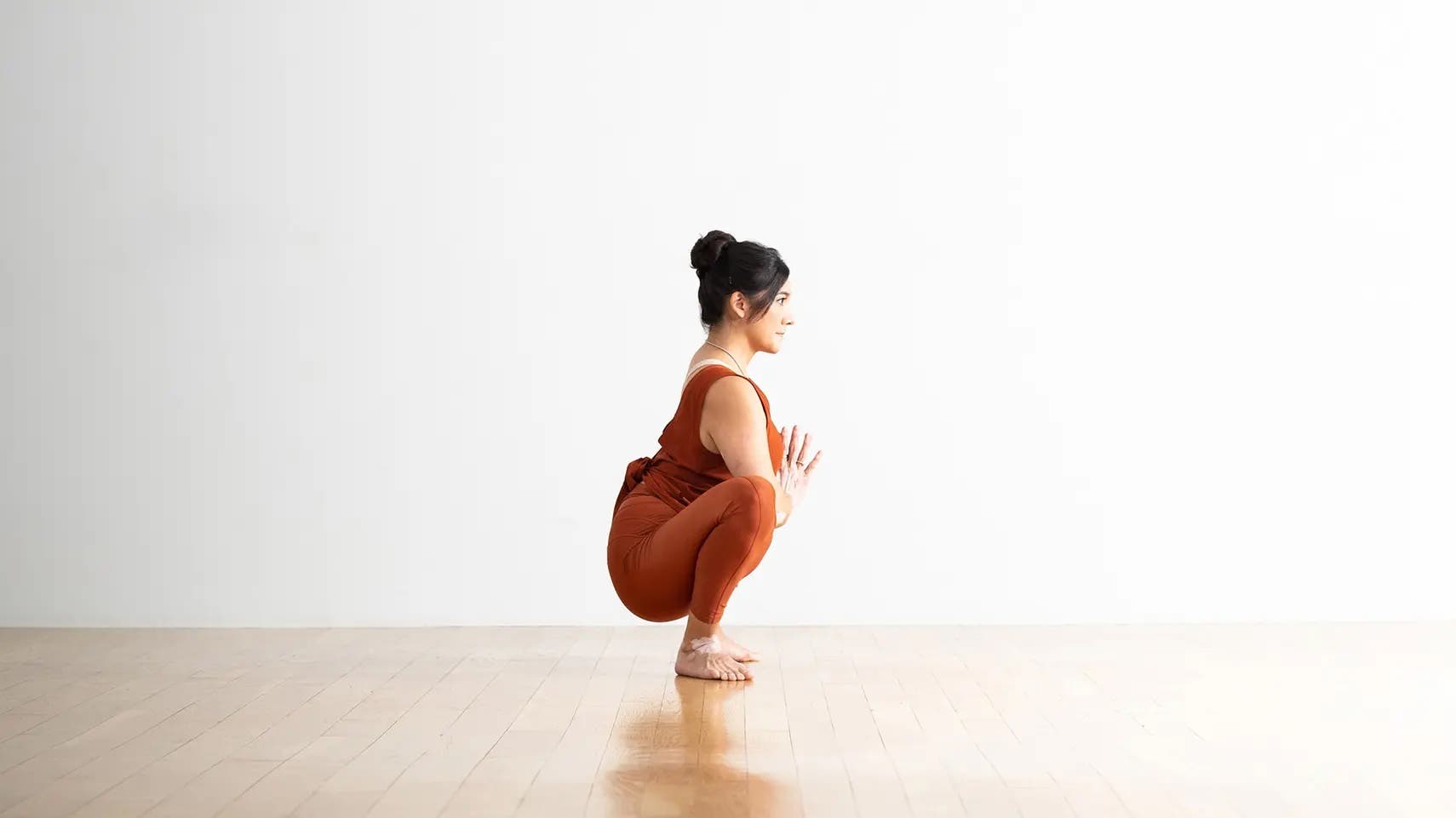
3. The Yogic Squat (Malasana)
Malasana is essential for addressing the ankle’s range of motion. By putting the ankle into deep dorsiflexion, the squat stretches the posterior chain while simultaneously strengthening the muscles that control the joint. It is a dual-action pose that increases physical functionality, making the transition from floor to standing much smoother and more controlled.
4. High Lunge (Ashta Chandrasana)
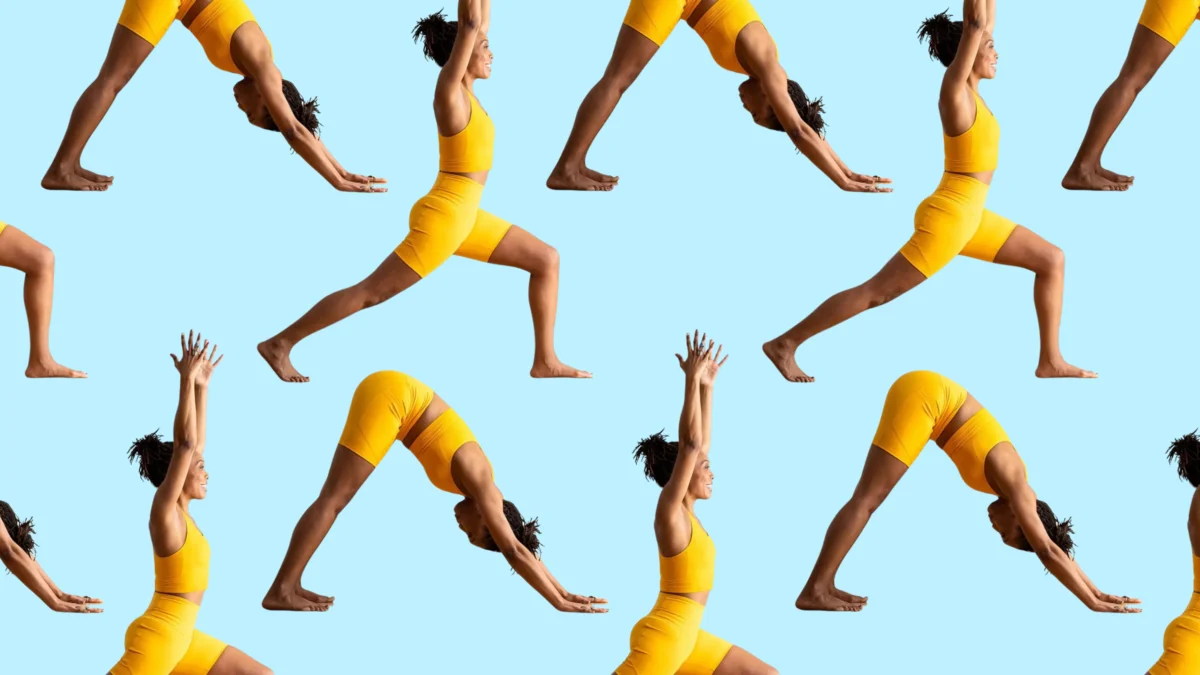
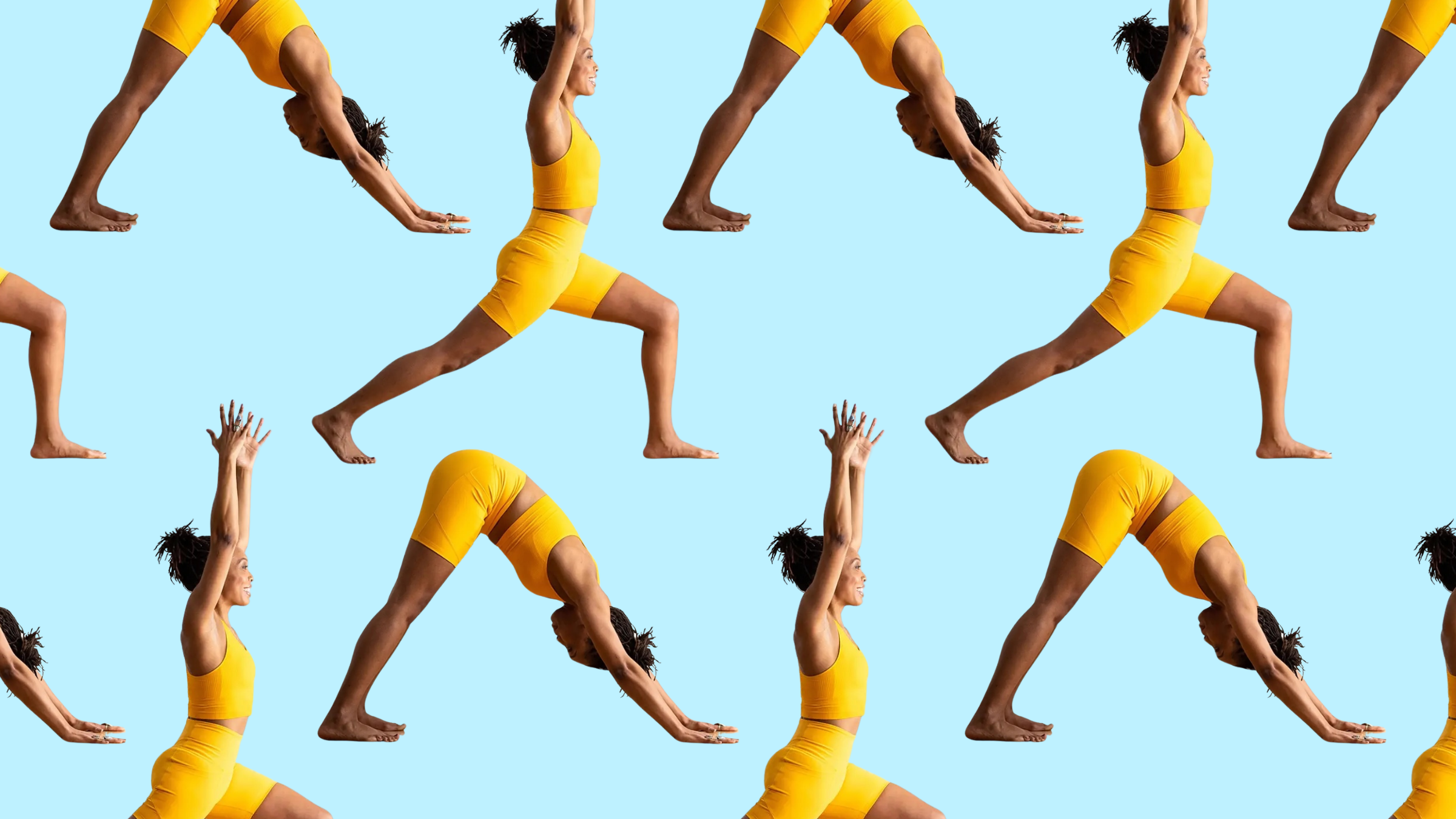
High Lunge provides a unique challenge: the front ankle must stabilize the bent knee, while the back ankle must maintain balance through the ball of the foot. This "split" load forces both ankles to work in different capacities simultaneously. Maintaining this pose for 10–15 breaths builds the endurance necessary to stay steady in more complex transitions.
5. Hero Pose (Virasana)
Often misunderstood as a simple stretch, Hero Pose is a deep conditioning exercise for the front of the ankle. By placing the tops of the feet on the mat in plantar flexion, the practitioner builds strength in the anterior tibialis and the extensors. It is a passive yet intense way to increase joint resiliency, correcting the common imbalances caused by daily walking patterns.
Implications for the Future of Practice
The implications of this shift are profound. As the yoga community moves toward a more science-backed approach, the "aesthetic" focus of the early 2000s is being replaced by a focus on "longevity."
For the everyday practitioner, the takeaway is clear: stop bypassing your ankles. By dedicating even five minutes of your daily practice to the strengthening of these joints, you are investing in your ability to remain mobile, independent, and steady well into your later years. Stability, after all, is not just about keeping your balance on the mat; it is about maintaining the integrity of your body as you move through the world.
As we look toward the future of yoga in 2026 and beyond, the focus will continue to narrow toward the small, the subtle, and the foundational. By strengthening the ankles, we are not just building stronger yoga poses—we are building a stronger, more resilient version of ourselves.