











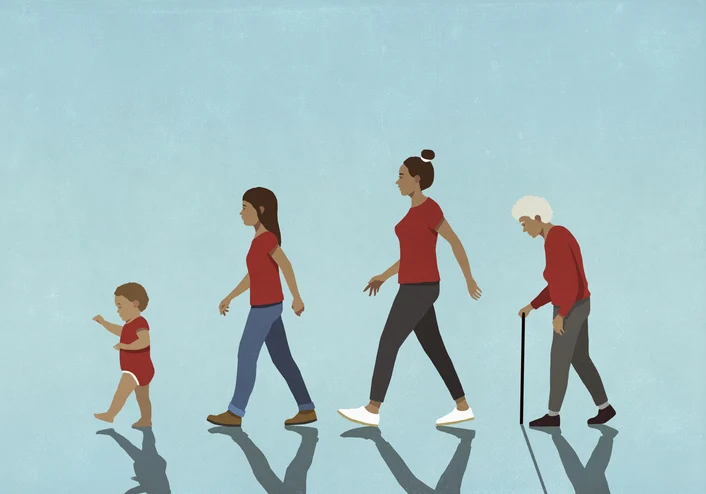
Imagine reaching the age of 85 with a pristine bill of health: a strong cardiovascular profile, optimal cholesterol levels, stable blood sugar, and high-quality sleep. You have successfully navigated the traditional markers of longevity. Yet, in a single, devastating instant—a slip on a rug or a stumble on a curb—a hip fracture robs you of your independence, mobility, and vitality.
For decades, the medical establishment has focused on the "longevity paradox": we have mastered the art of helping people live longer, but we have largely failed to ensure they can enjoy those extra years. As the global population ages, the next great frontier in healthcare is not merely extending the lifespan, but extending the "healthspan." At the heart of this shift is bone health, an area that has long languished as a medical afterthought but is now on the precipice of a total diagnostic and therapeutic revolution.
The Evolution of Preventive Healthcare
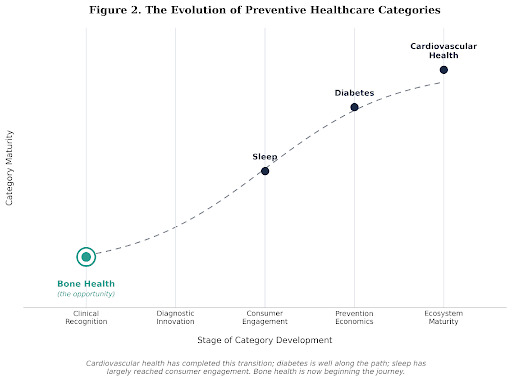
Every generation of medicine is defined by a specific health obsession. Forty years ago, the medical community and the public turned their collective attention toward cardiovascular health, identifying cholesterol and blood pressure as manageable levers for longevity. Two decades later, the focus shifted to metabolic health—the management of insulin, glucose, and systemic inflammation. More recently, we have entered the era of "biological optimization," where wearables, hormone tracking, and precision sleep protocols dominate the wellness discourse.
These trends share a common trajectory: a condition once treated as a narrow medical specialty becomes recognized as a fundamental pillar of lifelong health. As technology democratizes measurement and consumer interest surges, entire ecosystems of innovation follow. Bone health is currently entering this exact phase of transformation. It is not that osteoporosis or osteopenia are suddenly more common; rather, our capacity to measure, understand, and intervene in bone density is finally catching up to the scale of the crisis.
Supporting Data: A Global Health Crisis
Bone health has been one of medicine’s most significant unmet needs for decades. In the United States alone, more than 60 million adults over age 50 suffer from osteoporosis or osteopenia, placing them at an elevated risk of debilitating fractures. Despite this staggering prevalence, the condition remains profoundly underdiagnosed and undertreated, often referred to as a "silent disease" because it presents no symptoms until the first break occurs.
The global statistics are sobering. Fragility fractures occur at an astonishing rate of approximately 37 million per year—roughly one every single second. According to the International Osteoporosis Foundation, half of all women and one in four men over the age of 50 will experience an osteoporotic fracture during their lifetime. These are not merely orthopedic incidents; they are life-altering events. A hip fracture, in particular, is often a harbinger of rapid physical decline, with a significant percentage of elderly patients never regaining their pre-fracture level of independence.
AI: Democratizing Diagnostics
The primary reason bone health has historically lagged behind cardiology or metabolic medicine is the "diagnostic barrier." Traditionally, bone health relied on specialized, episodic testing—most notably the DXA scan—which is often only ordered after a fracture has already occurred or when a physician has high suspicion of disease.
Artificial Intelligence (AI) is fundamentally altering this equation. We are moving from a model of reactive diagnostics to one of "opportunistic screening." Healthcare systems have spent decades accumulating vast amounts of diagnostic data, from CT scans for abdominal pain to chest X-rays and dental imaging. Historically, the bone density information hidden within these scans was ignored.
Today, AI algorithms can mine these existing data sets to identify low bone mass long before a patient presents with a fracture. This is the democratization of diagnosis. By turning routine imaging into a window into skeletal health, AI allows clinicians to identify high-risk individuals in the same way they track cholesterol levels. This shift transforms bone health from a sporadic diagnostic category into a longitudinal, manageable component of primary care.
The "Missing" Pillar: Why Bone Health Lagged
If the preventive health stack—heart, brain, metabolism, sleep, and mental health—has been revolutionized over the last decade, why has bone health been left behind? The answer lies in three specific barriers:
- Diagnostic Inaccessibility: The reliance on specialized DXA scans created a bottleneck.
- Lack of Patient Agency: Unlike diet or sleep, which patients feel they can control, bone health was historically viewed as an inevitable consequence of aging that only required "calcium and Vitamin D."
- The Clinical Silo: Bone health was often relegated to endocrinologists or orthopedists, rather than being integrated into the preventive dialogue of primary care physicians.
These barriers are now crumbling. The rise of the menopause movement, which has brought hormone health and post-menopausal bone density into the public consciousness, is creating a groundswell of demand. Simultaneously, the GLP-1 (weight loss medication) revolution is creating a new cohort of patients at risk for rapid muscle and bone density loss, necessitating proactive monitoring.
The Future: Mobility, Not Just Density
The next era of bone health will not be defined by the absence of osteoporosis, but by the presence of mobility. This vision requires three simultaneous, reinforcing shifts:
- Earlier Intervention: Moving away from treating the fracture and toward managing the bone microarchitecture before the first break.
- Multimodal Treatment: Addressing the holistic drivers of fracture risk, including muscular strength, balance, nutrition, and hormonal status.
- Optimized Longitudinal Care: Ensuring that bone health therapies are tracked and adjusted over a lifetime, rather than relying on a single, short-term prescription cycle.
This shift does not necessarily depend on a single "magic bullet" drug. Instead, it relies on building the clinical infrastructure—the data pipelines, the wearable technologies, and the primary care protocols—to make bone health as measurable and actionable as blood pressure.
Implications for the Future of Healthcare
The pattern of transformative healthcare is well-established: scientific advancement occurs, technology simplifies the diagnostic path, consumers become engaged, and ultimately, prevention becomes an economic imperative. When the cost of managing a hip fracture—in terms of surgeries, rehabilitation, and long-term care—is weighed against the cost of proactive bone maintenance, the financial argument for change is undeniable.
As we look toward the next decade, the question is no longer if bone health will become a major category of preventive medicine, but who will define its standards and technologies. The goal is a future where fractures are not an accepted "cost of aging," but a preventable outcome of a proactive, data-driven approach to health.
For millions of older adults, this transition could mean the difference between a life of independent vitality and a sudden loss of autonomy. The technology to bridge this gap exists; the shift in the clinical and cultural mindset has begun. We are moving toward a world where we don’t just add years to our lives, but where we have the skeletal strength to actually live those years with independence and vigor.
Laura Yecies is the CEO of Osteoboost Health, Inc., a pioneer in non-drug, wearable technology for bone density maintenance. With over 30 years of experience in the technology and medical sectors, Yecies has been instrumental in bridging the gap between clinical innovation and consumer-accessible health solutions.