As the global population ages, the challenge of maintaining robust public health has shifted toward a biological hurdle known as immunosenescence. This natural, gradual decline in the immune system’s efficiency often leaves older adults disproportionately vulnerable to infectious diseases. However, a groundbreaking study published in the journal Aging Cell suggests that a naturally occurring compound called spermidine may hold the key to revitalizing immune responses, particularly in those who fail to mount adequate protection following vaccination.
The Challenge of Immunosenescence
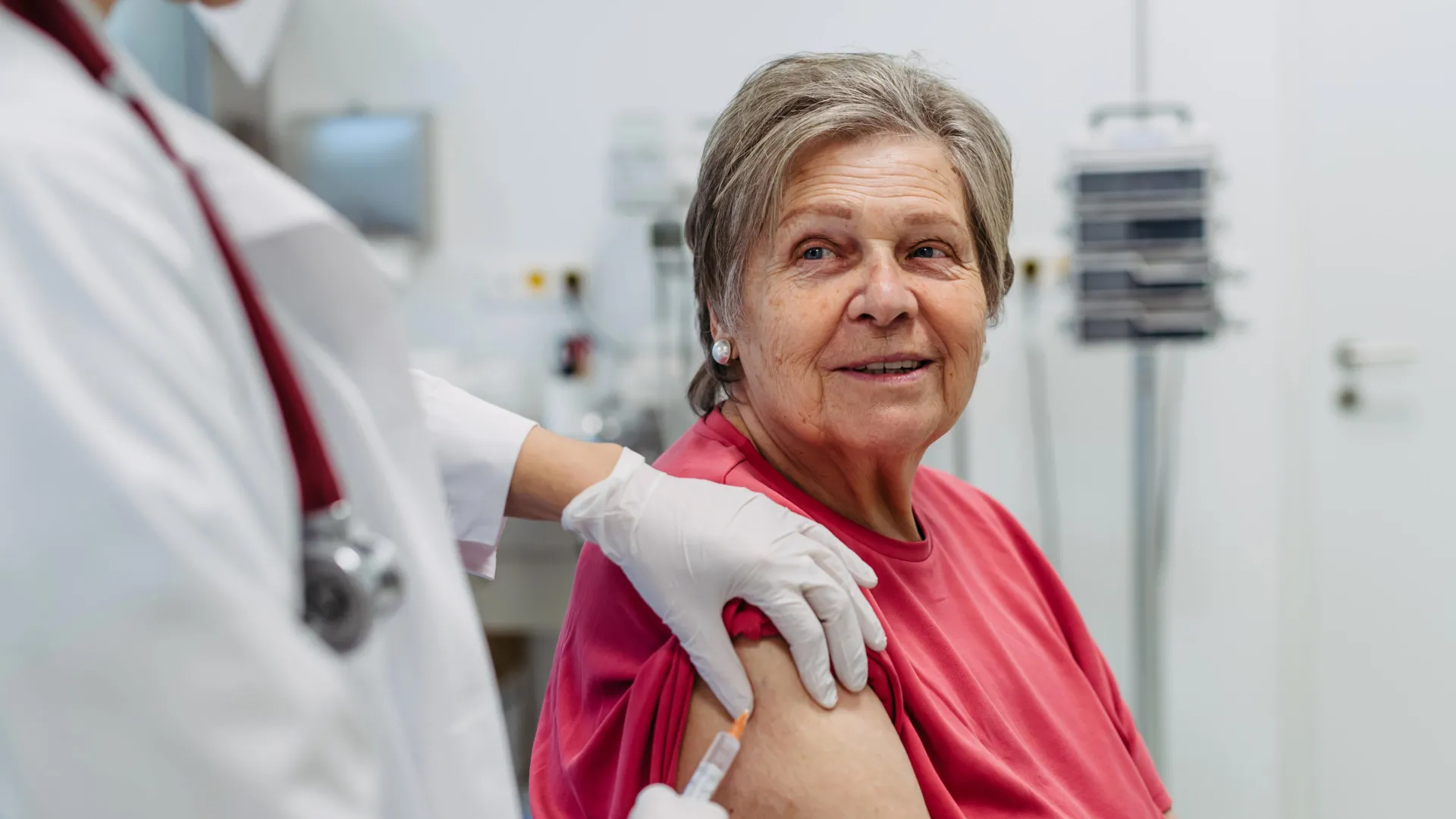
The human immune system is a sophisticated, multi-layered defense network. Yet, as individuals cross the threshold into older age, this network begins to falter. This phenomenon, termed immunosenescence, manifests as a reduced ability to identify and neutralize pathogens. For the elderly, this means that even when they receive life-saving vaccines—whether for influenza or COVID-19—their bodies may not produce the requisite concentration of antibodies or T cells to ensure long-term immunity.
The COVID-19 pandemic underscored this disparity with sobering clarity. While vaccines proved highly effective for the general population, public health data consistently showed that older cohorts were less likely to develop the same level of robust, lasting protection as their younger counterparts. This leaves a significant portion of the elderly population at higher risk for severe illness, hospitalization, and mortality, despite being fully vaccinated.
The Spermidine Solution: A Natural Approach
Spermidine, a polyamine compound found in every living cell, has long been a subject of interest in longevity research. It is naturally synthesized within the human body, but levels tend to decrease as we age. Beyond endogenous production, it is also readily available in dietary sources such as wheat germ, mushrooms, aged cheeses like parmesan and cheddar, and various legumes.
For years, researchers have suspected that spermidine plays a critical role in cellular maintenance. Specifically, it is believed to act as an activator of autophagy—a cellular "housekeeping" mechanism that recycles damaged organelles and proteins. By clearing out this biological "debris," cells can function with the efficiency of younger tissue. When this process slows down, cellular function degrades, contributing to the broader markers of aging.
Chronology of the Pilot Study
To test whether dietary supplementation of spermidine could reverse these trends in immune cells, a collaborative team led by Dr. Katja Simon of the Max Delbrück Center and Dr. Ghada Alsaleh of the University of Oxford’s Nuffield Department of Orthopaedics, Rheumatology & Musculoskeletal Sciences (NDORMS) launched a pilot clinical trial.
Phase 1: Recruitment and Baseline Analysis
The study enrolled 40 healthy volunteers, all aged 65 or older. The researchers sought to observe these individuals in the context of their third COVID-19 vaccination. Prior to the administration of the vaccine, the team established a baseline for each participant, measuring their current levels of immune function, markers of DNA damage, and the presence of cellular senescence markers.
Phase 2: The Intervention
Following their third vaccine dose, the participants were randomized into two groups. The experimental group received a daily dose of six milligrams of spermidine, while the control group received a placebo. This regimen continued for a 13-week period. During this time, the researchers meticulously monitored the participants for any adverse side effects, ensuring the safety and tolerability of the supplement.
Phase 3: Data Collection and Evaluation
At the conclusion of the 13-week period, the research team compared the immune profiles of the two groups. They looked specifically for the presence of neutralizing antibodies against SARS-CoV-2 and examined the overall health of the immune cells, checking for reductions in DNA damage and cellular senescence.
Supporting Data: Findings from the Laboratory
The results of the trial provided a promising glimpse into the potential for nutritional interventions to bridge the "immunity gap" in older adults.
Identifying the Non-Responders
The data revealed that approximately 25% of the study participants were "vaccine non-responders." Even after three doses of the vaccine, these individuals showed significantly lower antibody levels than their peers. Crucially, their immune cells exhibited high levels of biological aging, characterized by elevated DNA damage and markers of cellular senescence—a state where cells stop dividing and become metabolically dysfunctional, often secreting inflammatory signals that further degrade tissue health.
Evidence of Efficacy
Among those in the non-responder group who received the spermidine supplement, the findings were starkly positive. There was a significant uptick in the production of antibodies against SARS-CoV-2, and, perhaps more importantly, these antibodies displayed superior neutralizing activity against various viral variants.
Furthermore, biological markers associated with immunosenescence were found to be lowered in the spermidine group. The study confirmed that the compound successfully boosted autophagy, allowing the immune cells to clear out damaged material and restore a more youthful, responsive state. Importantly, no adverse events were reported, suggesting that six milligrams of spermidine daily is a safe, well-tolerated intervention for this age demographic.
Official Responses and Expert Commentary
The study, which included the expertise of the Oxford Vaccine Group—including Drs. Paul Klenerman, Teresa Lambe, and Lucy Jones—as well as Owen B. Spiller from Cardiff University, has drawn attention from the broader medical community for its elegant simplicity and potential impact.
"Many older adults respond well to vaccines," Dr. Ghada Alsaleh noted. "But some do not develop strong protection, even after repeated vaccination. Biological aging of immune cells may be one reason why this happens. Our findings suggest that spermidine could help restore aspects of immune function in this group."
Dr. Katja Simon, while enthusiastic about the results, maintains a balanced, professional outlook. "This study was designed as a pilot trial and involved a relatively small number of participants," she stated. "Larger studies will be needed to determine whether spermidine can consistently improve vaccine responses and whether similar effects are seen with other vaccines, such as those used against seasonal influenza."
Implications for Future Medicine
The implications of this research are vast. If confirmed by larger, randomized controlled trials, the use of spermidine could represent a paradigm shift in geriatric care. Rather than simply accepting that immune function declines with age, clinicians might be able to offer a simple, non-toxic, nutritional supplement to "prime" the immune system prior to vaccination campaigns.
The Potential for Broad-Spectrum Utility
While this study focused on COVID-19, the researchers are optimistic that the benefits could extend to other areas of infectious disease control. Seasonal influenza, for instance, remains a major killer of the elderly; if a simple supplement could improve vaccine efficacy for the flu, the reduction in seasonal mortality could be significant.
A New Era of Nutritional Immunology
The success of this study further validates the growing field of nutritional immunology. It suggests that the aging process is not a rigid, inevitable decline, but a process that can be influenced by targeted molecular interventions. By supporting the body’s own recycling mechanisms, we may be able to extend the "healthspan" of the immune system, ensuring that older adults remain protected against the myriad of pathogens they encounter.
Moving Toward Large-Scale Validation
Despite the excitement surrounding these results, the scientific community is exercising caution. A sample size of 40 is insufficient to change clinical guidelines or standard care protocols. The next logical step for the researchers at the Max Delbrück Center and the University of Oxford is to initiate a multi-center, phase III trial.
Such a study would need to address several key questions:
- Dosing Optimization: Is six milligrams the ideal dose for all older adults, or does it vary by weight and baseline health status?
- Longevity of Protection: Does the boost in immune response provided by spermidine last through an entire flu or COVID-19 season?
- Synergy: Does spermidine work equally well in patients with pre-existing chronic conditions, such as diabetes or cardiovascular disease, which are known to further suppress immune function?
Conclusion
The research published in Aging Cell offers a beacon of hope for improving the health and longevity of the aging population. By addressing the biological roots of immunosenescence, Dr. Simon, Dr. Alsaleh, and their colleagues have identified a potential mechanism to restore the body’s defensive capabilities. While the road from pilot trial to clinical standard is long and rigorous, the prospect of using a natural, accessible compound to fortify the immune systems of the most vulnerable among us is a compelling development in modern medicine. As we await further, larger-scale trials, the scientific community remains optimistic that this simple "housekeeping" molecule may one day be a staple in the prevention of age-related immune decline.