Date: 6 August 2026
Subject: Clinical Excellence and Collaborative Innovation in AATD Management
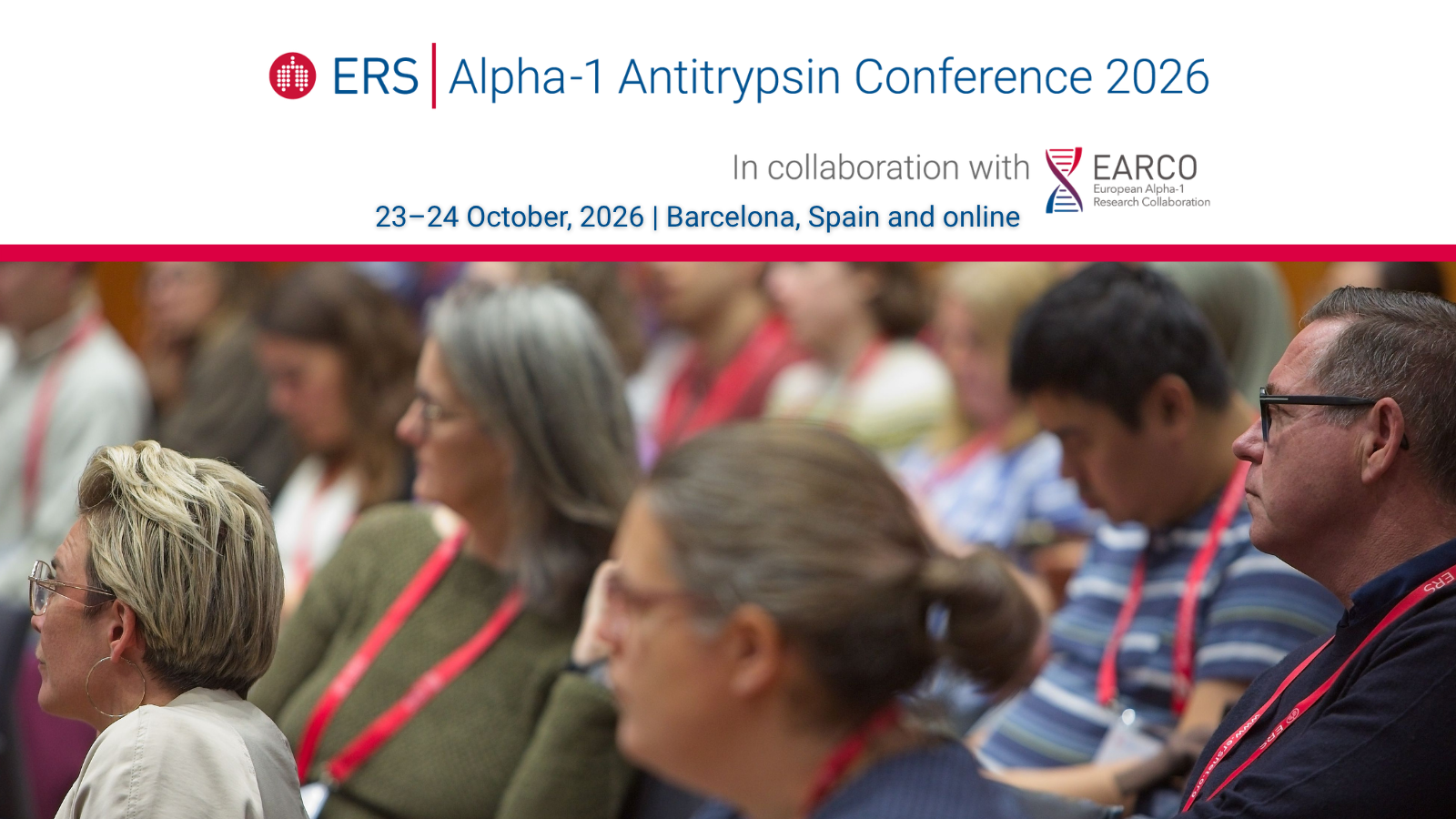
The global respiratory community is turning its collective attention toward an upcoming milestone in pulmonary medicine: the Alpha-1 Antitrypsin (AATD) Conference 2026. As the field stands at the precipice of a new era of personalized medicine, this landmark event serves as the definitive forum for clinicians, researchers, and patient advocates to converge. With the prevalence of AATD often underestimated and the complexity of its clinical presentation remaining a diagnostic challenge, the 2026 programme has been meticulously curated to address the most pressing gaps in current patient care.
The State of the Field: Main Facts and Core Objectives
Alpha-1 Antitrypsin Deficiency (AATD) remains one of the most significant genetic risk factors for early-onset emphysema and liver disease. Despite advancements in genetic screening, the path to diagnosis remains notoriously long, often spanning several years of misdiagnosis. The 2026 Conference is designed to dismantle these barriers.
The primary mission of the summit is to foster a "multidisciplinary ecosystem." By bringing together not only pulmonologists and hepatologists but also allied health professionals and patient representatives, the ERS aims to create a holistic framework for disease management. The conference focuses on three pillars:
- Precision Diagnostics: Moving beyond basic testing toward integrated genetic and biomarker-based screening.
- Standardized Monitoring: Refining the use of CT imaging and pulmonary function tests to detect progression before irreversible damage occurs.
- Collaborative Research: Strengthening the global network of registries to power large-scale, evidence-based clinical trials.
A Chronology of Progress: From Registry to Reality
The trajectory of AATD research has been marked by a transition from isolated studies to high-level, international collaboration. The evolution of the European Alpha-1 Research Collaboration (EARCO) serves as the backbone for the 2026 event.
- The Foundation: Initial efforts focused on identifying the genetic markers of AATD and establishing the link between protein deficiency and lung tissue destruction.
- The Expansion: The birth of the EARCO Registry allowed for the pooling of data across borders, transforming anecdotal evidence into robust, statistical insights.
- The Current Horizon (2026): The conference marks the launch of the "EARCO-3" programme, a third-generation initiative aimed at integrating real-world evidence (RWE) into clinical guidelines. Attendees will see the direct results of this multi-year effort, as researchers present findings that translate into actionable, bedside improvements.
Supporting Data: Key Programme Highlights
The 2026 programme is structured to provide both a macro-view of the global landscape and a micro-view of clinical practice. Three sessions stand out as essential for practitioners:
1. EARCO New Advances: The Future of Collaborative Data
The "EARCO New Advances" session is the crown jewel of the conference. It will offer a deep dive into the latest data generated by the EARCO Registry. Attendees will gain exclusive insights into the objectives of the EARCO-3 programme, which seeks to standardize data collection protocols across Europe. By harmonizing how we track disease progression, EARCO aims to identify phenotypes that are most responsive to specific therapies, effectively ushering in the age of precision AATD management.
2. Strategies for Diagnosis and Follow-Up
One of the most persistent hurdles in AATD care is the delay in diagnosis. This session will move away from theoretical discussion and toward clinical implementation. International experts will analyze the utility of emerging biomarkers that can act as "early warning systems." Furthermore, the session will address the evolving role of CT imaging, focusing on low-dose protocols that reduce radiation exposure while maximizing diagnostic clarity—a critical development for long-term patient monitoring.
3. Decoding Clinical Phenotypes in Alpha-1
AATD is not a monolith; its manifestation varies wildly from patient to patient. The "Clinical Phenotypes" session will investigate why some patients develop severe, early-onset emphysema, while others experience significant liver involvement or comorbid bronchiectasis. By mapping these phenotypes, clinicians can better predict the clinical trajectory of their patients, allowing for more aggressive, targeted interventions in high-risk groups.
Official Perspectives: The Value of Collaboration
The ERS leadership emphasizes that the strength of this conference lies in its inclusivity. By inviting patient representatives to sit at the same table as leading researchers, the event ensures that the research agenda remains anchored in the reality of the patient experience.

"We are moving toward a future where AATD is no longer a diagnosis of uncertainty, but one of managed precision," states the ERS programme board. The integration of allied health professionals—nurses, respiratory therapists, and physiotherapists—into these discussions is a deliberate choice. These professionals are the primary point of contact for patients, and their feedback is vital for the design of effective, patient-centric care pathways.
Implications for Clinical Practice and Patient Outcomes
The implications of the 2026 Conference extend far beyond the auditorium walls. For the individual clinician, the event provides a toolkit for immediate improvement in practice. For the broader medical community, it represents a commitment to closing the "diagnostic gap."
Bridging the Gap in Early Detection
By implementing the "Strategies for Diagnosis" discussed in the conference, healthcare systems can potentially reduce the time-to-diagnosis by significant margins. Early detection allows for lifestyle modifications, such as aggressive smoking cessation and environmental avoidance, which can drastically alter the trajectory of the disease.
Setting the Standard for Future Research
The EARCO-3 programme launch serves as a call to action for centers of excellence across the globe. By aligning research methodologies, the conference aims to generate the "big data" required to attract pharmaceutical innovation. Without standardized registries, drug development for rare diseases like AATD remains stalled; by strengthening these networks, the conference is laying the groundwork for the next generation of therapeutic breakthroughs.
Empowering the Patient Voice
Perhaps the most profound implication is the shift toward shared decision-making. As the conference highlights the complexity of clinical phenotypes, it simultaneously provides the educational materials needed for patients to understand their own specific disease profile. An informed patient is an empowered patient, and the 2026 Conference aims to foster a partnership between the patient and the provider, rather than a top-down clinical relationship.
Conclusion: Why Participation Matters
Whether you are a seasoned researcher or a clinician seeing your first case of AATD, the Alpha-1 Antitrypsin Conference 2026 offers an unparalleled opportunity for professional development. The landscape of respiratory medicine is changing rapidly, and the tools available to manage AATD are becoming more sophisticated, more precise, and more effective.
The conference is not merely an academic exercise; it is an incubator for the future of patient care. By engaging with the latest research, exchanging expertise with global peers, and contributing to the evolving dialogue on AATD management, attendees will return to their clinics with a renewed sense of purpose and a clearer path forward.
Registration and Further Information:
For those looking to secure their place at this pivotal event, registration is now open. Participants are encouraged to review the full programme to identify the sessions most aligned with their specific clinical and research interests.
The future of Alpha-1 Antitrypsin Deficiency management is being written now. By participating in this conference, you are not only witnessing history—you are helping to shape it.