For billions of people around the globe, the day does not truly begin until the first cup of coffee is poured. As a society, we consume an average of nearly two kilograms of coffee per person each year, curating our morning rituals with specific blends, roast profiles, and precise preparation methods. Yet, beneath the aroma and the caffeine kick lies a complex biological interaction. Our relationship with coffee is not merely a matter of habit; it is deeply rooted in our genetics, specifically how our brain’s reward system processes stimulation and how our livers metabolize caffeine.
As coffee culture has flourished, so too has the medical scrutiny surrounding its impact on cardiovascular health. Does your daily ritual pose a silent threat to your arteries? For those already living with high blood pressure, the question is not just academic—it is a vital health consideration.
Understanding the "Silent Killer": What Is Hypertension?
To understand how coffee interacts with your body, one must first understand the mechanism of blood pressure. Blood pressure is the force exerted by circulating blood against the walls of the body’s arteries. It is expressed through two primary metrics: systolic pressure (the pressure when the heart beats) and diastolic pressure (the pressure when the heart rests between beats).
A healthy, normal blood pressure reading is generally defined as less than 120/80 mm Hg. However, when these numbers consistently reach or exceed 140/90 mm Hg, a diagnosis of hypertension—or high blood pressure—is made.
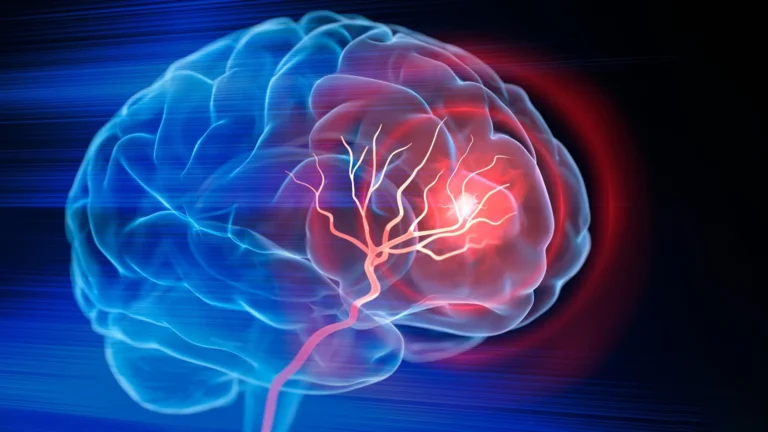
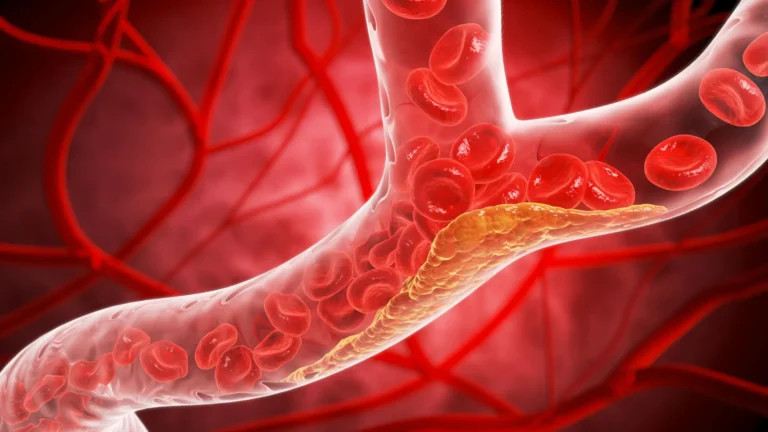
Hypertension is frequently termed the "silent killer" because it typically presents no symptoms. Many individuals live for years without knowing their blood pressure is elevated. If left unmanaged, hypertension acts as a catalyst for catastrophic cardiovascular events, including heart attacks, strokes, and the exacerbation of pre-existing kidney and heart diseases. Global data suggests that approximately 31% of adults suffer from hypertension, with nearly half of those individuals remaining unaware of their condition. Even among those receiving treatment, roughly 47% fail to maintain their blood pressure within the target range, underscoring the urgent need for a better understanding of lifestyle factors—like coffee consumption—that may influence these numbers.
The Chronology of a Caffeine Spike
When you consume a cup of coffee, the caffeine acts as a powerful stimulant. Within the body, caffeine functions as a muscle stimulant that can increase the heart rate. In some sensitive individuals, this stimulation can trigger an irregular heartbeat, or arrhythmia.
The physiological timeline of a caffeine hit is relatively predictable:
- 0–30 Minutes: Caffeine is rapidly absorbed into the bloodstream.
- 30 Minutes–2 Hours: Blood caffeine levels reach their peak. During this window, caffeine stimulates the adrenal glands, prompting the release of adrenaline. This chemical cascade causes the heart to beat faster and blood vessels to constrict, leading to a measurable, albeit temporary, increase in blood pressure.
- 3–6 Hours: This represents the "half-life" of caffeine. During this period, the liver breaks down the compound, reducing the concentration of caffeine in the blood by half.
The speed at which this process occurs is highly variable. It is dictated by age, as children and adolescents lack the fully mature liver enzymes required for rapid metabolism. It is also influenced by genetics—some individuals are "fast metabolizers," while others retain caffeine in their systems for significantly longer. Furthermore, regular coffee drinkers often develop a tolerance, allowing them to clear the substance from their blood more efficiently than occasional drinkers.
Supporting Data: The Impact on Blood Pressure
Clinical research into the short-term effects of caffeine on blood pressure has yielded consistent, though nuanced, findings. Reviews of existing literature report that following the consumption of caffeine—whether from coffee, cola, energy drinks, or even chocolate—individuals may experience an increase in systolic blood pressure of 3–15 mm Hg and an increase in diastolic blood pressure of 4–13 mm Hg.
However, the "risk" associated with these numbers is not uniform. The impact depends heavily on a person’s baseline blood pressure. For a healthy individual, a temporary spike is usually of little consequence. Conversely, for someone already diagnosed with severe hypertension or underlying heart disease, these fluctuations may pose a higher risk. This is why cardiologists often suggest that patients with poorly controlled hypertension monitor their coffee intake closely.
The Dual Nature of Coffee: Beyond Caffeine
While caffeine is the headline act, it is not the only chemical compound in your cup. Coffee is a complex beverage containing hundreds of phytochemicals—compounds that contribute to its unique flavor, aroma, and potential health outcomes.
Recent research has highlighted that some of these compounds may actually act as a counterbalance to caffeine’s hypertensive effects. For instance, melanoidins—the brown pigments formed during the roasting process—have been shown to help regulate fluid volume in the body and influence the activity of enzymes that control blood pressure.
Additionally, quinic acid, a phytochemical found in abundance in coffee, has been linked to improved vascular health. Studies suggest that it helps improve the lining of blood vessels, potentially allowing them to accommodate blood pressure fluctuations more effectively. These compounds suggest that coffee is not merely a stimulant, but a complex chemical solution that may offer cardiovascular benefits that offset the temporary spikes caused by caffeine.
Can Coffee Cause Chronic Hypertension?
For years, the medical community feared that habitual coffee consumption might be a primary driver of chronic hypertension. However, modern, large-scale studies have largely debunked this concern.
A landmark review of 13 studies, encompassing data from 315,000 individuals, investigated the longitudinal link between coffee intake and the development of hypertension. During the follow-up periods, 64,650 participants developed high blood pressure. Crucially, the researchers concluded that coffee consumption was not associated with an increased risk of developing the condition. This held true regardless of gender, the quantity of coffee consumed, whether the coffee was caffeinated or decaffeinated, or the smoking status of the participants.
However, caution is still advised for those with severe, pre-existing conditions. A notable Japanese study involving 18,000 adults aged 40–79 monitored participants for nearly 19 years. The study found that among those with "grade 2–3" hypertension (systolic pressure of 160+ or diastolic of 100+), the risk of cardiovascular death was doubled for those drinking two or more cups of coffee daily compared to non-drinkers. Interestingly, no such association was found for those with normal blood pressure or only mild (grade 1) hypertension.
Implications and Clinical Guidance
The evidence suggests that for the vast majority of the population, coffee is not the enemy of cardiovascular health. It is not a primary cause of hypertension, and for those with mild blood pressure concerns, it does not appear to increase mortality risk.
However, the implications for the "high-risk" group are clear. If you have been diagnosed with stage 2 or 3 hypertension, the physiological stress of frequent caffeine spikes may be more than your cardiovascular system can comfortably manage.
How to Manage Your Coffee Consumption:
- Know Your Numbers: You cannot manage what you do not measure. Regularly check your blood pressure at home or with your GP.
- Identify Your Baseline: If your blood pressure is consistently above 140/90, consult your doctor about your caffeine intake.
- Monitor Your Reaction: If you notice palpitations or dizziness after a cup of coffee, your body may be telling you that your current intake is too high.
- Practice Moderation: If you have high blood pressure, consider limiting your intake to one or two cups a day and avoiding caffeine in the hours leading up to sleep, which can further impact cardiovascular recovery.
- Listen to Your Doctor: If you are on medication for hypertension, discuss how coffee might interact with your specific treatment plan, as some drugs can alter how your body processes caffeine.
Ultimately, coffee remains one of the world’s most enjoyed beverages, backed by a growing body of research that highlights both its risks and its potential protective properties. By understanding your own body’s response and maintaining a dialogue with your healthcare provider, you can continue to enjoy your daily brew without compromising the health of your heart.