







In the ongoing quest to understand how lifestyle choices influence the trajectory of human aging, nutrition has emerged as a cornerstone of cognitive preservation. A compelling new study published in the Journal of Neurology, Neurosurgery & Psychiatry provides fresh evidence that a specific dietary regimen—the MIND diet—may serve as a powerful tool in slowing the structural degradation of the brain that typically accompanies the passage of time.
By combining the heart-healthy principles of the Mediterranean diet with the blood-pressure-regulating strategies of the DASH (Dietary Approaches to Stop Hypertension) plan, the MIND diet appears to offer a unique protective effect. The findings suggest that those who adhere closely to this nutritional blueprint may effectively "buy back" years of brain health, potentially delaying the physical signs of aging within the brain’s architecture.
The Core Mechanism: Protecting the Brain’s Architecture
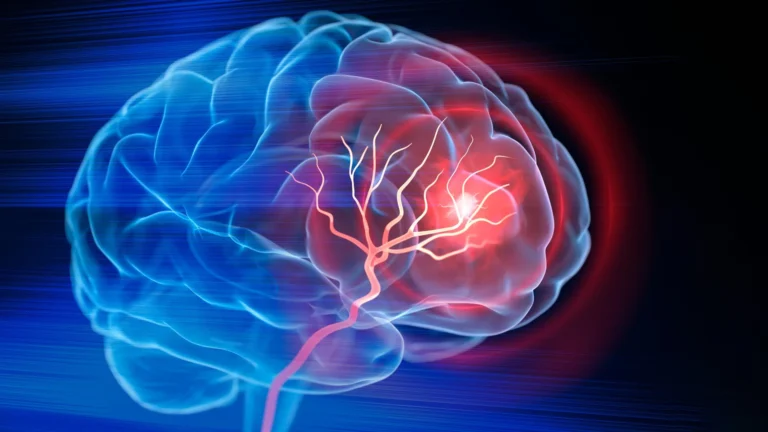
As the human brain ages, it naturally undergoes structural changes. Brain tissue volume tends to decline, while the ventricles—fluid-filled cavities within the brain—often expand to compensate for the loss of grey and white matter. These changes are not merely cosmetic; they are intrinsically linked to the cognitive decline seen in conditions like Alzheimer’s and Parkinson’s diseases.
The research indicates that the MIND diet specifically targets these areas of deterioration. Higher adherence to the diet was correlated with a reduction in the loss of grey matter—the brain tissue essential for memory, information processing, and decision-making. Furthermore, participants with better diet scores exhibited less ventricular enlargement, suggesting that the MIND diet may help maintain the structural integrity of the brain for longer periods than a standard diet.
The MIND Diet Defined: A Blueprint for Neuro-Protection
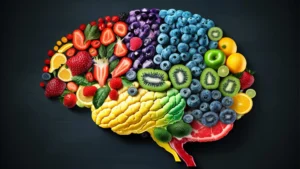
The acronym MIND stands for "Mediterranean-DASH Intervention for Neurodegenerative Delay." Unlike fad diets, the MIND diet is a carefully curated approach to nutrition that prioritizes foods rich in antioxidants, healthy fats, and anti-inflammatory compounds.
What to Eat
The diet is heavily weighted toward plant-based foods. Recommended staples include:
- Green leafy vegetables: Such as spinach, kale, and collard greens.
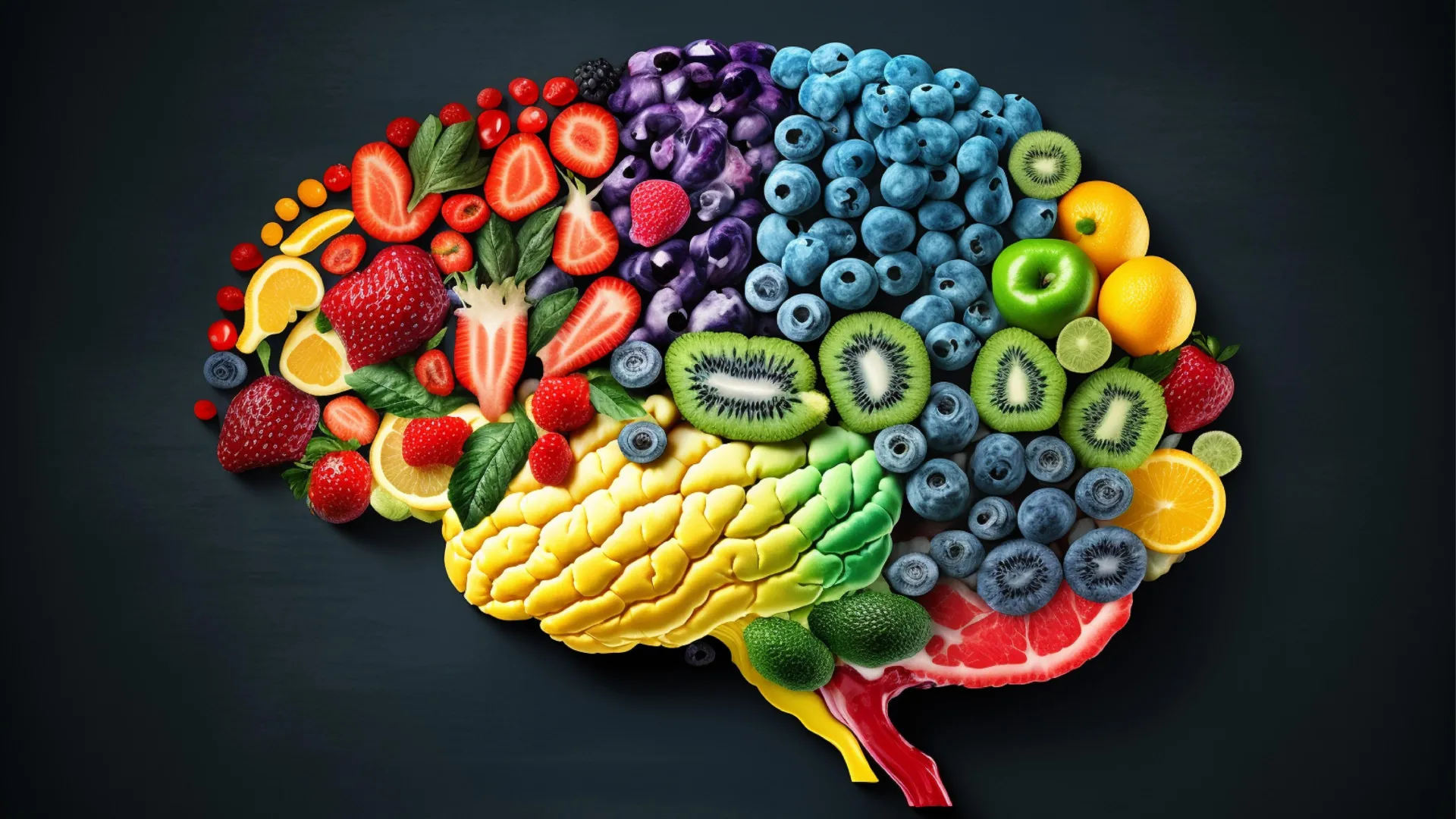
- Berries: Particularly blueberries and strawberries, which are high in flavonoids.
- Whole grains: Providing sustained energy and fiber.
- Fish and Poultry: Lean, high-quality protein sources.
- Healthy Fats: Primarily olive oil and nuts.
- Legumes: Beans and other pulses.
What to Limit
Equally important is the restriction of foods that contribute to systemic inflammation and vascular damage. The diet advises minimizing:
- Butter and margarine: Often high in saturated or trans fats.
- Cheese: Despite its calcium content, the diet suggests moderation.
- Red meat: A major source of saturated fats.
- Pastries, sweets, and fried fast foods: These are identified as potential contributors to accelerated brain atrophy.
Chronology of the Study: A Two-Decade Investigation
To determine if these dietary habits truly influence brain structure, researchers turned to the Framingham Heart Study Offspring (FOS) cohort—a long-term, multi-generational study that has become a gold standard for cardiovascular and neurological research.
The researchers analyzed data from 1,647 middle-aged and older adults, with an average age of 60 at the study’s inception. The investigative timeline was rigorous:
- Dietary Assessment (1991–2001): Participants completed food frequency questionnaires (FFQs) at multiple intervals during this decade to establish their baseline eating patterns.
- Neurological Monitoring (1999–2019): To track physical changes, participants underwent consistent brain MRI scans at intervals ranging from two to six years.
- Data Synthesis (Present): Researchers compared dietary scores (on a scale of 0 to 15) against the volumetric data captured by the MRIs. Participants were screened at the start of the study to ensure no prior history of stroke or dementia, providing a "clean slate" to observe the effects of diet on age-related changes.
Supporting Data: Quantifying the "Brain-Age" Gap
The results were statistically significant. Over an average follow-up period of 12 years, the group displayed the expected age-related changes: decreased volume in the hippocampus and grey/white matter, and increased volume in the ventricles. However, the rate of change varied drastically based on diet.
The "Grey Matter" Advantage
For every three-point increase in a participant’s MIND diet score, researchers observed a reduction in grey matter loss of 0.279 cm³ per year. In practical terms, this equates to 20% less age-related decline, effectively delaying brain aging by approximately 2.5 years.
Ventricular Stability
The expansion of ventricles, often a marker of brain tissue atrophy, was also slowed. A three-point increase in the diet score was linked to an 8% reduction in the rate of ventricular enlargement, providing roughly one year of "delayed" brain aging.
The Power of Specific Foods
The study highlighted that certain food groups acted as "powerhouses" for brain health. Berry intake and poultry consumption were specifically linked to slower ventricular enlargement. Conversely, the researchers noted a "danger zone": high consumption of fried fast foods was directly associated with accelerated hippocampal atrophy, reinforcing the theory that trans fats and processed ingredients may exacerbate neuronal damage.
Unexpected Findings: The Whole Grain Paradox
While the majority of the results aligned with established nutritional science, there were outliers. Counterintuitively, higher whole grain intake was associated with faster losses of grey matter and hippocampal volume. Conversely, cheese consumption was linked to slower declines in those same areas.
Researchers caution that these findings should not be interpreted as a directive to switch to a cheese-heavy, grain-free diet. Rather, they suggest that complex dietary interactions and the "overall pattern" of the diet matter more than isolated food items. Further research is required to understand whether these specific food correlations are driven by nutrient density, lifestyle factors associated with those who eat these foods, or other hidden variables.
Official Perspectives and Expert Implications
The research team suggests that the MIND diet works by mitigating oxidative stress and inflammation. "MIND-recommended foods rich in antioxidants, such as berries, and high-quality protein sources like poultry may reduce oxidative stress and mitigate neuronal damage," the authors noted in their report.
In contrast, they argue that fried foods, which are often high in advanced glycation end-products (AGEs) and trans fats, contribute to the inflammation that degrades vascular health. Because the brain is highly sensitive to vascular flow, any diet that damages the blood vessels—like a high-fast-food diet—will inevitably impact cognitive structure.
The benefits were found to be particularly pronounced in older adults, suggesting that it is never too late to adopt these habits. The researchers hypothesize that the diet may be especially effective for those already at risk of rapid atrophy, providing a non-pharmacological buffer against neurodegeneration.
Limitations and Future Directions
While the results are promising, the researchers are careful to acknowledge the limitations of an observational study. Because the data relies on self-reported food questionnaires, there is a risk of recall bias—participants may not perfectly remember their dietary intake over a decade. Furthermore, the study population was predominantly White, meaning the findings may not be universally generalizable to all ethnic or socioeconomic groups.
Additionally, while the association between the diet and brain structure is strong, the study cannot definitively prove that the diet caused these changes. It is possible that individuals with healthier brains are more likely to choose healthier foods, rather than the diet being the sole cause of the preservation.
Conclusion: A New Standard for Healthy Aging?
The implications of this study are profound for public health. As global populations age, the incidence of neurodegenerative diseases is expected to rise. If a dietary intervention as accessible and non-invasive as the MIND diet can delay the physical signs of brain aging by several years, it could potentially postpone the onset of cognitive impairment for millions of people.
The research reinforces a growing consensus in the medical community: the health of the brain cannot be separated from the health of the body. By prioritizing berries, leafy greens, and lean proteins while eschewing processed, fried, and sugary foods, individuals may have a significant degree of control over the "aging clock" of their own brains. While further clinical trials are necessary to confirm these findings, the MIND diet currently stands as one of the most promising lifestyle strategies for long-term neurological preservation.