In the ongoing battle against cardiovascular disease—the leading cause of mortality worldwide—a significant breakthrough has emerged from the laboratories of clinical research. A new experimental oral medication, enlicitide, has demonstrated the ability to slash levels of low-density lipoprotein (LDL) cholesterol, colloquially known as "bad" cholesterol, by as much as 60%.
The findings, published in the New England Journal of Medicine, arrive at a critical juncture in public health. With fewer than half of patients suffering from established atherosclerotic cardiovascular disease successfully reaching their cholesterol targets, the medical community is bracing for what could be the most impactful advancement in lipid-lowering therapy since the introduction of statins decades ago. If granted approval by the U.S. Food and Drug Administration (FDA), enlicitide could provide millions of patients with a daily, oral alternative to complex injectable treatments, effectively lowering the threshold for preventing life-altering heart attacks and strokes.
The Chronology of Discovery: From Nobel Prizes to Daily Pills
The development of enlicitide is not an isolated scientific event; it is the culmination of nearly 40 years of pioneering research conducted at the UT Southwestern Medical Center (UTSW). The intellectual lineage of this drug traces back to the 1985 Nobel Prize in Physiology or Medicine, awarded to Michael Brown, M.D., and Joseph Goldstein, M.D. Their landmark discovery of the LDL receptor on liver cells—the primary mechanism the body uses to clear cholesterol from the bloodstream—provided the foundational blueprint for modern lipidology. This discovery was the catalyst for the development of statins, which remain the cornerstone of cardiovascular preventative care.
However, science continued to evolve. In the subsequent decades, the Dallas Heart Study at UTSW, led by Helen Hobbs, M.D., and Jonathan Cohen, Ph.D., provided a secondary, crucial breakthrough. By studying the genetic makeup of diverse populations, the team discovered that certain individuals possessed naturally low LDL cholesterol levels due to genetic variations that hindered the production of the PCSK9 protein.
This protein, it was learned, acts as a "gatekeeper" that limits the number of LDL receptors on liver cells, thereby preventing the body from efficiently clearing cholesterol. This insight ignited a race to develop PCSK9 inhibitors. The result was a class of injectable monoclonal antibodies and RNA-based therapies that, while highly effective at lowering LDL by approximately 60%, remained underutilized due to the logistical and psychological barriers associated with self-injections. Enlicitide represents the successful migration of this potent, targeted biology from an injectable format into a daily, easy-to-administer oral pill.
Supporting Data: A Robust Phase Three Clinical Trial
The recent Phase Three clinical trial, sponsored by pharmaceutical giant Merck & Co. Inc., was designed to test the efficacy and safety of enlicitide across a representative demographic. The study enrolled 2,909 participants, all of whom either had established atherosclerosis or were at high risk due to comorbid health conditions.
The trial’s design was rigorous: two-thirds of the participants were randomized to receive the experimental pill, while the remaining one-third received a placebo. A critical aspect of the study was the baseline health of the participants. Most were already adhering to statin therapy, yet their average LDL levels hovered around 96 milligrams per deciliter (mg/dl). This is significantly higher than the clinical benchmarks of 70 mg/dl for patients with atherosclerosis and 55 mg/dl for those at the highest risk.
The results, measured after a 24-week period, were definitive. Patients administered enlicitide experienced a 60% reduction in LDL cholesterol compared to those in the placebo group. Beyond just LDL, the drug also demonstrated significant improvements in other cardiovascular risk markers, including non-HDL lipoprotein cholesterol, apolipoprotein B, and lipoprotein(a). Most importantly, these levels remained stable throughout a full year of follow-up, suggesting that the drug is not only effective but durable in its performance.
The Clinical Perspective: Bridging the Gap in Patient Care
Ann Marie Navar, M.D., Ph.D., a cardiologist and Associate Professor of Internal Medicine at the Peter O’Donnell Jr. School of Public Health at UT Southwestern, led the study. According to Dr. Navar, the success of the trial lies in its real-world applicability.
"The study population reflects what we see in clinical practice," Dr. Navar stated. "Even the highest intensity statins are often not enough to get people to their cholesterol goals. We are looking at a population that is already doing everything right in terms of current standards of care, yet they remain vulnerable."
The medical community has long struggled with the "last mile" of cholesterol management. While injectable PCSK9 inhibitors are potent, they are frequently overlooked by both clinicians and patients. Historical hurdles included exorbitant pricing and complex insurance authorization processes. While these systemic barriers have slowly eroded, a fundamental resistance remains: many patients simply prefer to avoid injections.
"An oral therapy this effective has the potential to dramatically improve our ability to prevent heart attacks and strokes on a population level," Dr. Navar emphasized. "These reductions in LDL cholesterol are the most we have ever achieved with an oral drug by far since the development of statins."
Implications for Global Public Health
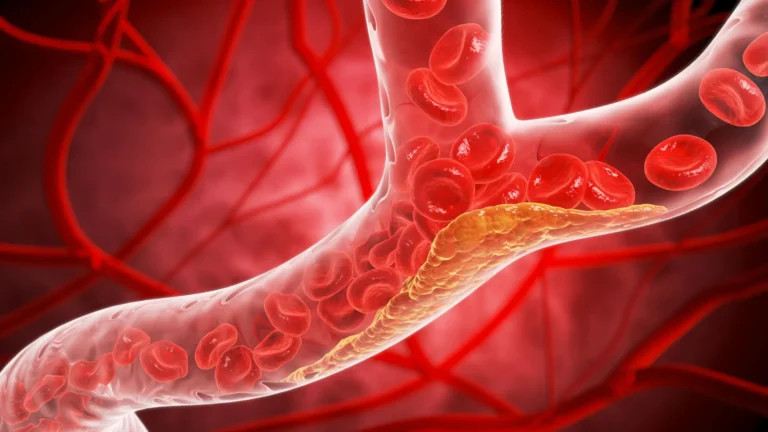
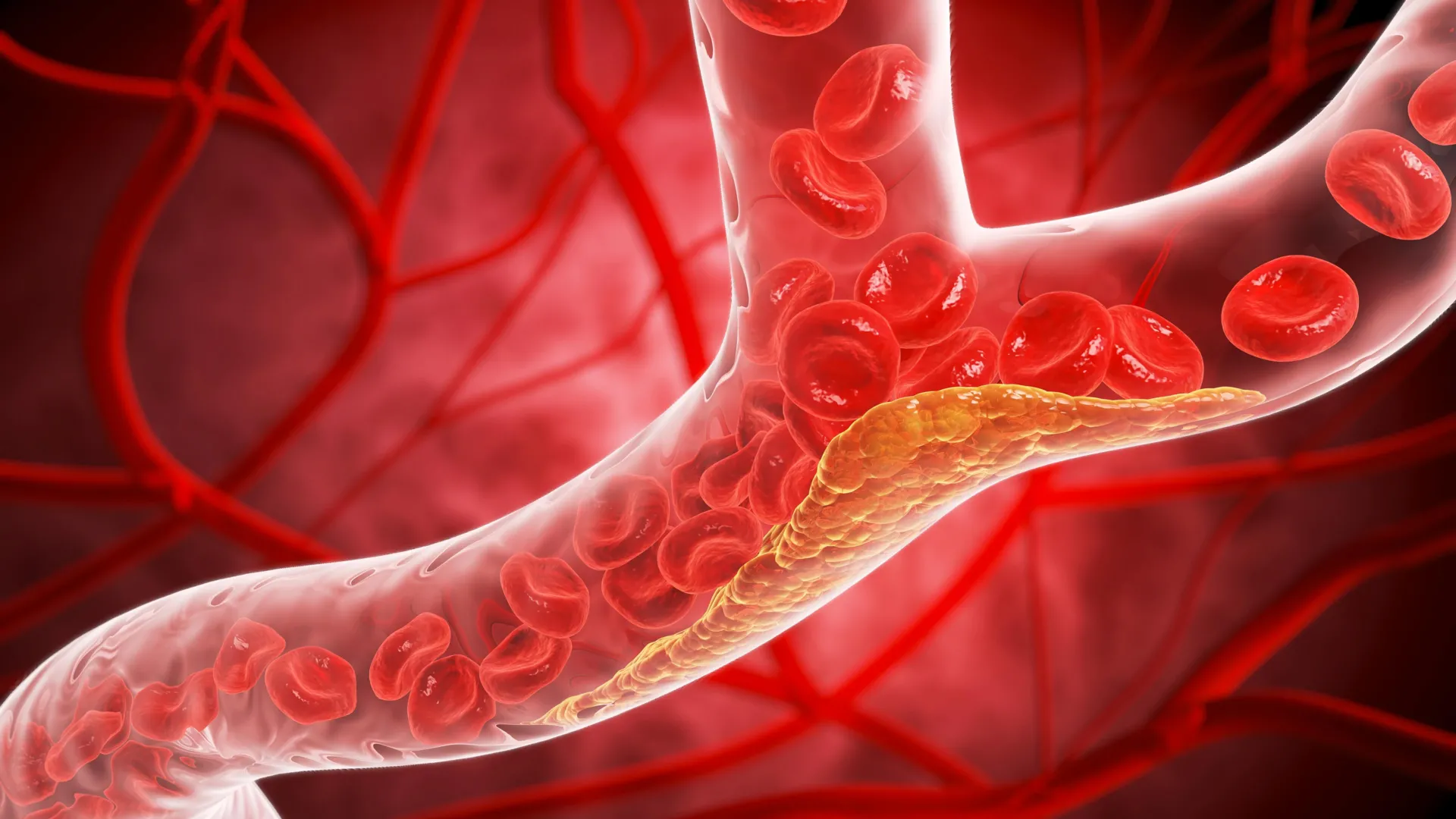
The arrival of an oral PCSK9-targeting drug carries profound implications for cardiovascular health equity and accessibility. Cardiovascular disease is a silent, progressive condition. The accumulation of cholesterol particles within artery walls—a process known as atherosclerosis—is often asymptomatic until a catastrophic event occurs. By offering a simplified, pill-based intervention, healthcare providers may find it significantly easier to achieve higher adherence rates among high-risk populations.
The ability to achieve a 60% reduction in LDL cholesterol through a single daily pill could change the narrative for patients who have historically been "statin-intolerant" or those for whom statins alone are insufficient. Furthermore, because the drug acts on the same biological pathway identified by Nobel laureates, the clinical community is optimistic about its long-term safety profile, though ongoing monitoring remains standard procedure for any new pharmacological agent.
The Road Ahead: Future Research and Next Steps
While the results of the phase three trial are undeniably positive, the medical community remains data-driven. The next phase of research is already underway: a massive, outcome-based clinical trial designed to determine if these impressive laboratory numbers—the 60% drop in LDL—will definitively translate into a measurable reduction in clinical heart attacks and strokes.
Regulatory scrutiny will also be intense. The FDA will require a comprehensive review of the safety data and long-term side effects before granting marketing authorization. However, if the trial’s primary endpoint of hard clinical outcomes (prevented heart attacks) matches the success of its secondary endpoint (cholesterol reduction), enlicitide could become a cornerstone of preventative cardiology within the next few years.
As the scientific community awaits these long-term results, the legacy of UT Southwestern’s decades-long commitment to cholesterol research continues to pay dividends. From the bench-top discovery of the LDL receptor to the sophisticated, targeted inhibition of the PCSK9 protein, the journey of enlicitide reflects the steady, methodical progress of medicine. For the millions of Americans living with the shadow of heart disease, this pill may soon offer a new, simpler path to a longer and healthier life.
Disclosures: This study was funded by Merck Sharp & Dohme, a subsidiary of Merck. Dr. Ann Marie Navar has disclosed receiving consulting fees from Merck and other pharmaceutical companies involved in lipid-lowering research. The researchers involved in the foundational work—Drs. Brown, Goldstein, Hobbs, and Cohen—hold various prestigious chairs and roles at UT Southwestern Medical Center, reflecting the institution’s ongoing commitment to the field of cholesterol and arteriosclerosis research.