In a medical landscape where cardiovascular disease remains the leading cause of mortality globally, a groundbreaking study from Mass General Brigham is shifting the narrative on preventative care. Researchers have unveiled findings indicating that the cholesterol-lowering drug evolocumab—a potent PCSK9 inhibitor—can significantly diminish the risk of first-time major cardiovascular events in patients with high-risk diabetes who have not yet developed clinical atherosclerosis.
The implications of these findings, presented at the American College of Cardiology’s (ACC) Annual Scientific Session & Expo and published simultaneously in the Journal of the American Medical Association (JAMA), suggest that the medical community may need to reconsider the timing of intensive lipid-lowering therapies. By intervening before the onset of detectable arterial plaque, clinicians may be able to prevent life-altering events such as heart attacks and strokes in a vulnerable population that has traditionally been managed with more conservative, statin-only approaches.
The Evolution of Preventative Cardiology: Main Facts and Findings
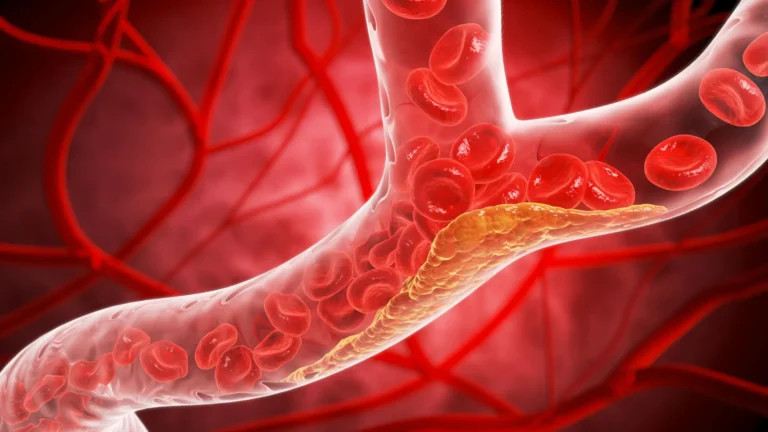
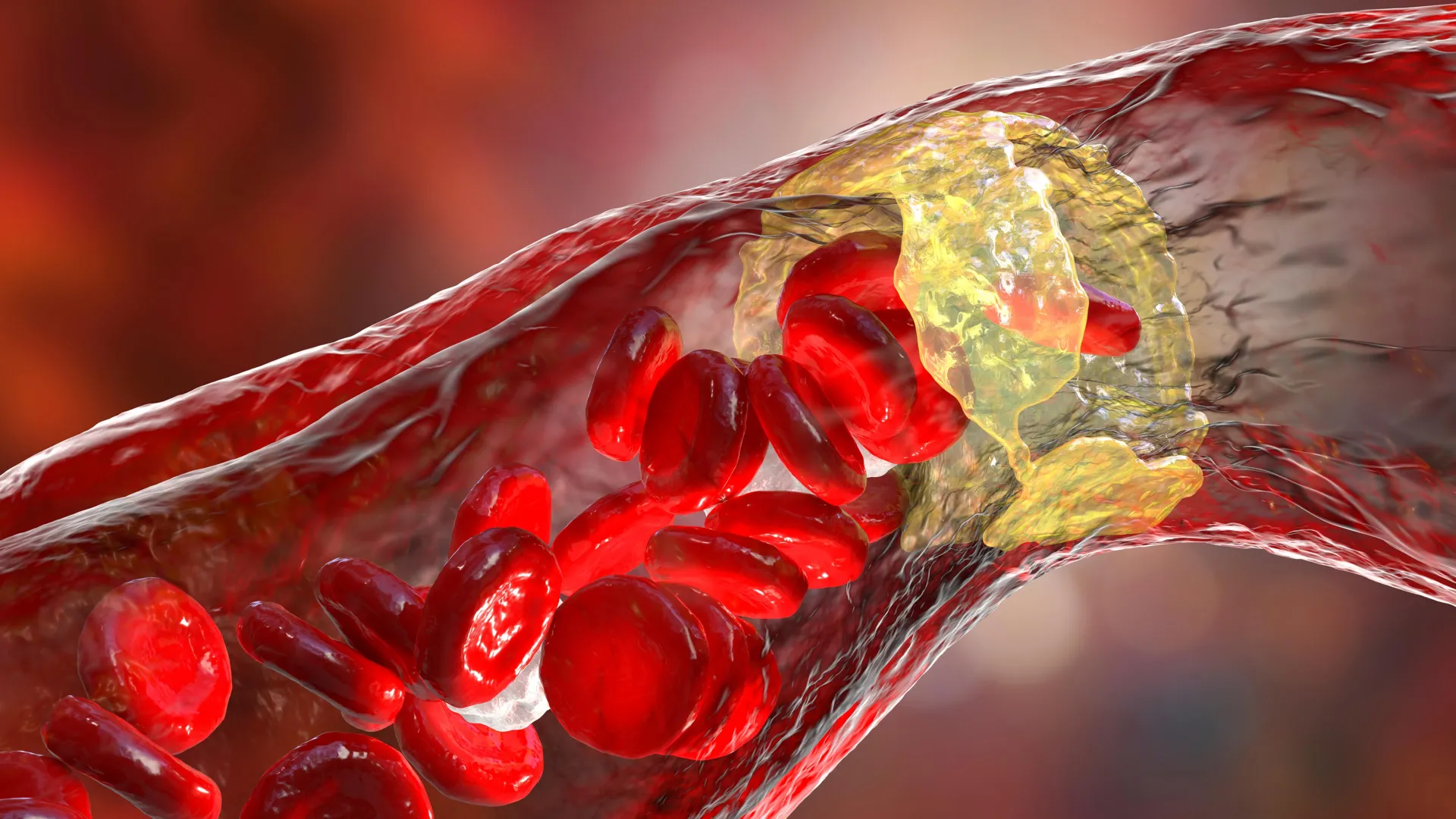
The core of the study, a subgroup analysis of the VESALIUS-CV randomized trial, focused on a cohort of 3,655 patients. These individuals shared a common profile: they were living with high-risk diabetes but lacked evidence of significant atherosclerosis—the dangerous buildup of fats and cholesterol that hardens arterial walls.
The study design was rigorous. Participants were randomized to receive either evolocumab—administered via bi-weekly injections—or a placebo. Crucially, all participants continued to receive standard-of-care treatments, including statins and ezetimibe, ensuring that the trial measured the additional benefit of the PCSK9 inhibitor.
The results were striking. After a 48-week observation period, the evolocumab group exhibited a median LDL-C ("bad cholesterol") level of 52 mg/dL, compared to 111 mg/dL in the placebo group. This represents a staggering 51% reduction in LDL-C attributable to the addition of the drug. Over a five-year follow-up period, the clinical payoff was clear: participants receiving evolocumab saw a 31% reduction in their risk of experiencing a first major cardiovascular event, defined as death from coronary heart disease, myocardial infarction (heart attack), or ischemic stroke.
A Chronology of the Clinical Investigation
The path to these results involved years of meticulous data collection and a deliberate focus on the "pre-atherosclerotic" window. For over a decade, clinical guidelines have prioritized intensive cholesterol lowering primarily for patients who have already suffered a cardiovascular event or who exhibit advanced, symptomatic disease.
The Trial Framework
The VESALIUS-CV trial was designed to test the hypothesis that proactive treatment could "outrun" the progression of cardiovascular disease. The researchers specifically targeted a high-risk diabetic population—patients who had been living with diabetes for at least a decade, those requiring daily insulin, or individuals suffering from microvascular complications (small blood vessel damage).
The 48-Week Benchmark
The study reached its initial pharmacokinetic milestone at 48 weeks, where the efficacy of evolocumab in plummeting LDL-C levels was solidified. This phase was critical in establishing that the drug could safely and effectively lower cholesterol levels in this specific high-risk subgroup without causing significant adverse reactions compared to the placebo.
The Five-Year Horizon
The longitudinal aspect of the study, spanning nearly five years, provided the necessary duration to observe "hard" clinical outcomes. By the end of the five-year window, the data revealed that only 5% of the evolocumab group had experienced a major cardiovascular event, compared to 7.1% in the placebo group—a statistical difference that supports a paradigm shift in how high-risk diabetes patients are treated in outpatient settings.
Supporting Data: The Mechanics of PCSK9 Inhibition
To understand the magnitude of this discovery, one must look at the pharmacology of evolocumab. Evolocumab belongs to a class of medications known as PCSK9 inhibitors. PCSK9 is a protein that regulates the number of LDL receptors on the surface of liver cells. By inhibiting this protein, evolocumab allows the liver to more efficiently remove LDL-C from the bloodstream.
While statins remain the "gold standard" for cholesterol management, they have limitations in certain high-risk populations. PCSK9 inhibitors offer a unique mechanism that can drive LDL-C levels down by approximately 60% when used alongside standard statin therapy. The VESALIUS-CV data underscores that for patients whose risk is driven by diabetes-related metabolic dysfunction, achieving these ultra-low cholesterol targets is not just a laboratory success—it is a life-saving intervention.
Safety profiles were also a cornerstone of the supporting data. The study reported that serious side effects occurred at similar rates in both the treatment and control arms. This indicates that for high-risk diabetic patients, the benefit-to-risk ratio of adding evolocumab is favorable, potentially clearing the way for broader clinical adoption.
Official Responses and Clinical Perspectives
Dr. Nicholas A. Marston, a cardiologist at the Mass General Brigham Heart and Vascular Institute and the study’s corresponding author, expressed the gravity of these findings during the presentation at the ACC session.
"For over a decade, the intensive cholesterol-lowering [therapies] have been reserved for patients who already have cardiovascular disease," Dr. Marston stated. "These results demonstrate the benefit of intensive lowering cholesterol earlier and should change how we think about the prevention of heart attacks, strokes, and heart disease in patients without known significant atherosclerosis."
The response from the broader medical community has been one of cautious optimism. Experts note that while the data is compelling, the study was funded by Amgen Inc., the manufacturer of evolocumab. Transparency regarding disclosures is extensive, with researchers from the TIMI Study Group and other institutions noting personal fees, consulting roles, and research grants from Amgen and other pharmaceutical entities. These disclosures are standard in high-level clinical research, and the rigorous peer-review process associated with JAMA serves as a check on the impartiality of the data interpretation.
Implications: Changing the Future of Preventative Care
The implications of this research are far-reaching. If clinicians adopt the "earlier intervention" model supported by the VESALIUS-CV subgroup analysis, the standard of care for millions of patients with diabetes could change.
Addressing the "High-Risk" Diabetic Patient
Patients with long-standing diabetes or those on insulin represent a massive global demographic at elevated risk for cardiovascular events. Currently, these patients are often managed through blood glucose monitoring and general statin therapy. This study provides a evidence-based argument for adding PCSK9 inhibitors to the toolkit for physicians managing patients who have not yet suffered a heart attack but are clearly on a trajectory toward one.
The Path Forward
While the results are promising, the research team is careful to note the limitations. "Additional studies will be needed to determine whether these benefits apply to other high-risk groups who do not yet have established atherosclerosis," the authors noted in their summary. The next logical step for the medical community is to expand this research to other populations, such as those with chronic kidney disease or metabolic syndrome, who also face accelerated cardiovascular risk.
A Shift in Cardiovascular Strategy
Ultimately, the study suggests that we have been waiting too long to act. By the time a patient presents with "significant atherosclerosis," the damage to the vascular system may be deep-seated and difficult to reverse. By utilizing potent, safe, and effective tools like evolocumab in the pre-symptomatic stage, cardiologists and endocrinologists may finally have the means to preempt the leading cause of death before it ever manifests.
As the medical community digests these findings, the conversation will likely shift toward updating clinical practice guidelines. For the patient, this could mean more aggressive, personalized, and proactive treatment plans that prioritize long-term cardiovascular health over waiting for the first sign of trouble. The era of reactive heart disease management may finally be yielding to an era of proactive cardiovascular preservation.