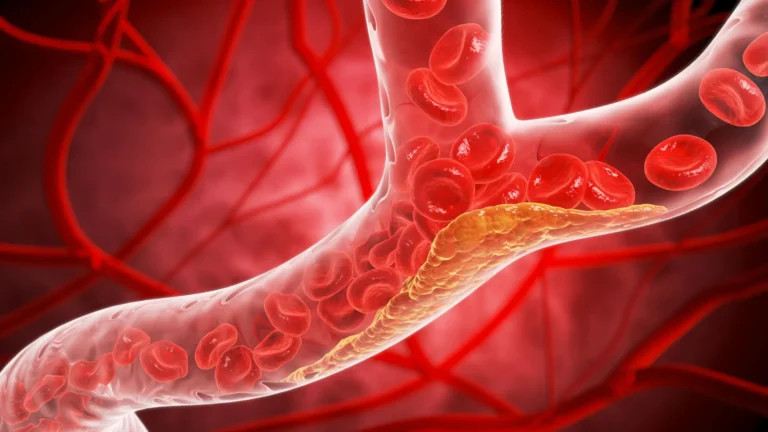
The landscape of women’s health in the United States is facing an unprecedented shift. A landmark scientific statement, published in the American Heart Association’s flagship journal Circulation, has unveiled a sobering projection: within the next 25 years, nearly 6 in 10 American women will be living with some form of cardiovascular disease (CVD). This projected surge is not merely a clinical statistic; it represents a looming public health crisis that threatens to overwhelm the healthcare infrastructure, burden the economy, and fundamentally alter the quality of life for millions of families.
The report, titled "Forecasting the Burden of Cardiovascular Disease and Stroke in the United States Through 2050 in Women," provides a granular look at how heart disease, stroke, and their associated risk factors are evolving. By synthesizing current epidemiological trends with predictive modeling, the American Heart Association (AHA) has provided a blueprint of a future that, if left unaddressed, will leave a devastating mark on the nation’s health.
The Core Data: A Proliferating Burden
Cardiovascular disease remains the leading cause of death for women, a title it has held for years, yet the trajectory is worsening. Currently, more than 62 million women in the U.S. are living with some form of CVD, an ailment that carries an annual financial price tag of at least $200 billion.
The AHA’s projections suggest that these numbers are not plateauing; they are accelerating. By 2050, the prevalence of major risk factors—specifically high blood pressure, diabetes, and obesity—is expected to climb across nearly every demographic. Experts note that these conditions are no longer "diseases of aging." The seeds of cardiovascular impairment are being sown in childhood and adolescence, creating a long-term, cumulative strain on the female heart.
Key Projections for 2050:
- The Prevalence Shift: Nearly 60% of women will navigate life with heart disease, heart failure, atrial fibrillation, or stroke.
- Obesity in Youth: Approximately 32% of girls aged 2 to 19 are projected to have obesity by 2050—a 12% increase from current levels.
- Lifestyle Deficits: More than 60% of girls are expected to face insufficient physical activity, while over half are projected to maintain poor nutritional habits.
Chronology of a Crisis: From Childhood to Menopause
The AHA report underscores a critical shift in perspective: cardiovascular health must be managed across the entire lifespan. The traditional view that heart disease is a concern for post-menopausal women is being dismantled by data showing early-onset risk.
Early Life and Adolescence
The foundation of heart health is laid in childhood. The report highlights that the projected rise in obesity among girls is inextricably linked to insufficient activity and poor dietary quality. When these metabolic markers appear in the first two decades of life, they establish a "chronic risk trajectory" that compounds as the individual enters adulthood.
The Reproductive Years
The journey through pregnancy, perimenopause, and menopause is now recognized as a vital window for cardiovascular monitoring. Hormonal fluctuations and the physiological stressors of pregnancy can unmask latent vulnerabilities. The report argues that pediatricians and gynecologists must play a more active role in identifying these early markers, such as noting early menstrual onset as a potential indicator of future cardiovascular risk.
The Aging Population
While younger women are showing alarming trends, the burden on older women remains the highest. However, the report notes that as medical interventions for acute events like heart attacks and strokes improve, more women are surviving these events but living with chronic, long-term cardiovascular conditions. This creates a new mandate: the medical community must pivot from solely treating acute emergencies to managing lifelong wellness.
Disparities and the Social Determinants of Health
A recurring theme in the report is the inequitable distribution of cardiovascular risk. The projections indicate that women of color will bear a disproportionate share of the disease burden.
- Hispanic Women: High blood pressure is projected to rise by more than 15%.
- Asian Women: Obesity rates are expected to climb sharply, by nearly 26%.
- Black Women: These individuals are projected to maintain the highest overall rates of risk factors, with over 70% expected to have high blood pressure, over 71% to have obesity, and nearly 28% to have diabetes.
These findings reflect what experts call "adverse social determinants of health." Factors such as living in "food deserts," exposure to chronic psychosocial stress, low health literacy, and limited access to primary care in rural areas create a barrier that medical advice alone cannot overcome. The AHA emphasizes that any meaningful intervention must address these systemic realities.
Official Responses: A Call to Action
The leaders of the volunteer writing group, including Dr. Karen E. Joynt Maddox and Dr. Stacey E. Rosen, have issued a collective call for a fundamental refocusing of healthcare priorities.
"One in every three women will die from cardiovascular disease—maybe it’s your grandmother, or your mother, or your daughter," said Dr. Joynt Maddox. "If we stay on the current path, these numbers will grow substantially. We need to be very intentional about focusing on optimal cardiovascular health across the life course."
Dr. Stacey E. Rosen, executive director of the Katz Institute for Women’s Health, frames the AHA’s Life’s Essential 8—a set of four health behaviors and four health factors—as a "prescription for health."
"Identifying the types of trends outlined in this report is critical to making meaningful changes," Dr. Rosen noted. "We know that up to 80% of heart disease and stroke can be prevented. These ideal metrics are not just suggestions; they are the foundation of a strategy to reverse this trajectory."
Implications: The Path Toward 2050
The report is not intended to be a surrender to fate, but rather a wake-up call for policymakers, healthcare systems, and individuals. Changing the trajectory of cardiovascular disease requires a multi-pronged approach:
1. Reimagining Prevention
Current prevention efforts are, by the report’s admission, "inadequate." The shift must move toward community-level interventions. Schools, workplaces, and local community centers should become hubs for promoting healthy nutrition and physical activity.
2. Digital and Clinical Integration
The rise of digital health tools, artificial intelligence, and new metabolic medications offers a new frontier for monitoring and intervention. However, the report warns that having the tools is insufficient without the systems to support them. Healthcare professionals must integrate these technologies into routine, long-term care plans rather than episodic check-ups.
3. Policy and Systemic Change
Health systems must be designed to accommodate the unique physiological stages of a woman’s life. This includes comprehensive care during pregnancy and menopause, and an increased focus on the intersection of brain health and heart health, particularly regarding the prevention of dementia through blood pressure management.
4. Empowerment and Awareness
Perhaps the most concerning observation is that public awareness of heart disease as a primary threat to women has been declining. Dr. Rosen urges women to be their own advocates: "Know your numbers, listen to your body, and be an advocate for your health."
Conclusion: A Window of Opportunity
The projections for 2050 are indeed striking, but they are not fixed. The American Heart Association’s scientific statement serves as both a warning and an opportunity. By prioritizing prevention, addressing the social determinants of health, and fostering a lifelong approach to heart health, the medical community and the public have the power to alter this forecast.
The battle against cardiovascular disease is a long-term engagement. As the report concludes, while medical science has made great strides in treating the symptoms of heart disease, the future of women’s health depends on the success of our efforts to prevent the disease from ever taking root. The path to 2050 is being paved today; the actions taken now in clinics, households, and legislative chambers will determine whether this projected surge becomes a reality or a averted catastrophe.