WASHINGTON D.C. — In a profound escalation of the geopolitical rift between the United States and international judicial bodies, U.S. Secretary of State Marco Rubio announced on Tuesday, August 18, the imposition of severe financial sanctions against two of the International Criminal Court’s (ICC) highest-ranking officials. The designations target ICC President Tomoko Akane of Japan and Senior Trial Lawyer Abdoulaye Seye of Senegal, marking a new chapter in a multi-year campaign by the Trump administration to systematically weaken the tribunal based in The Hague.
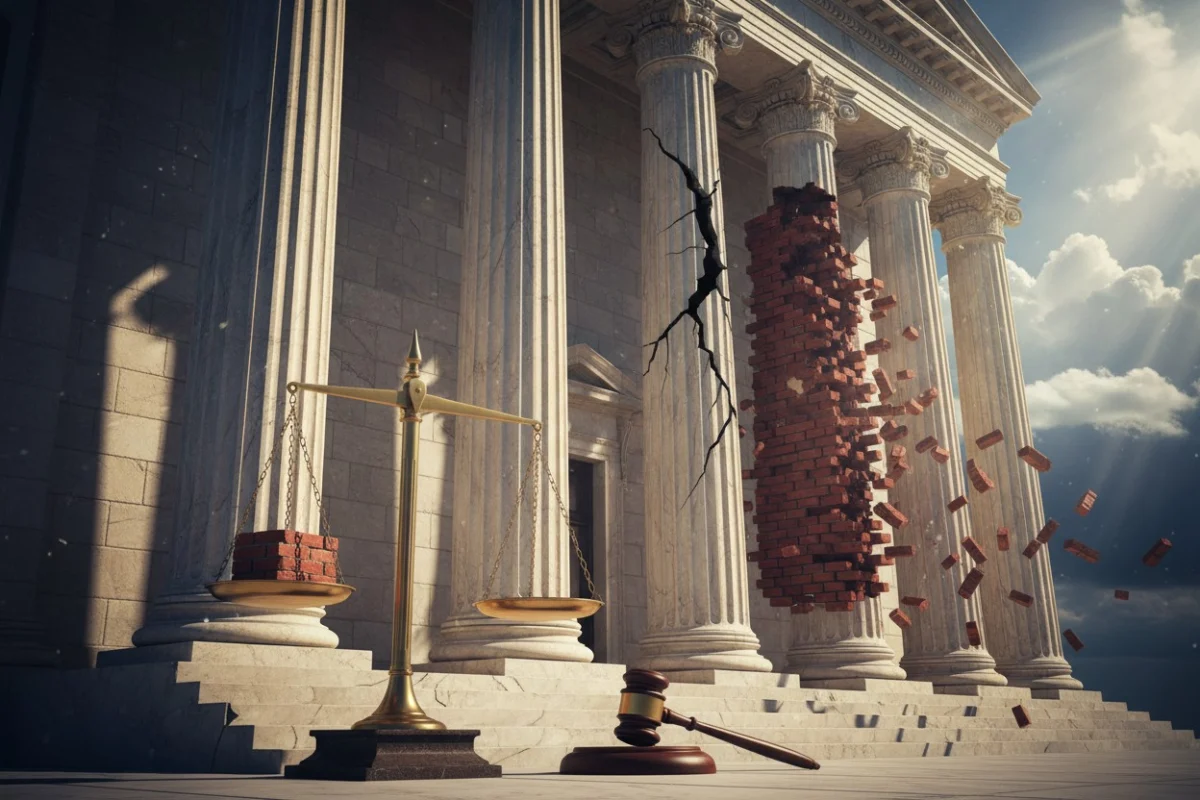
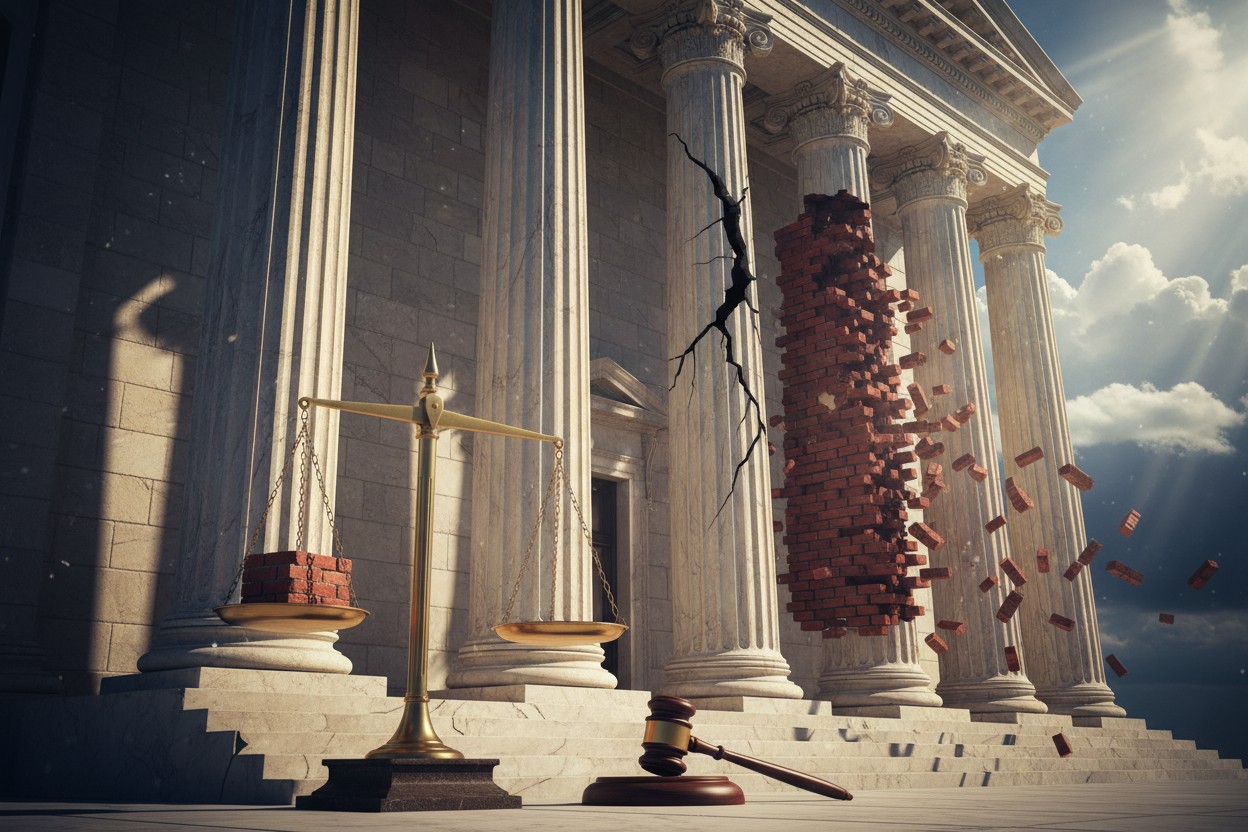
The sanctions, which include the freezing of all U.S.-held assets and a comprehensive prohibition on transactions with American entities, are the latest move in a strategy Secretary Rubio has characterized as dismantling the court "brick by brick." This action follows years of mounting friction between Washington and the ICC, centering on the court’s jurisdictional reach over nationals of non-member states and its recent focus on high-profile figures in the Middle East.
The Rationale: Sovereignty vs. Supranational Authority
The ideological backbone of the U.S. position rests on the principle of absolute national sovereignty. In a widely discussed op-ed for the Wall Street Journal, Secretary Rubio articulated the administration’s stance: "America never agreed to a world tribunal that can override our own courts and the Constitution."
The Trump administration views the ICC as a "corrupt and fatally politicized" entity that has demonstrably exceeded its original mandate. Washington’s grievances are rooted in the court’s attempt to assert jurisdiction over U.S. military and intelligence personnel involved in the conflict in Afghanistan. Because the United States is not a signatory to the Rome Statute—the founding treaty of the ICC—it maintains that the court possesses no legal authority to investigate American citizens.
This friction reached a boiling point in August, when ICC judges ordered prosecutors to expand an investigation into Taliban-era abuses to specifically include actions involving U.S. nationals. For the White House, this confirmed long-standing suspicions that the court was operating as a weaponized political actor rather than an impartial judicial body.
Chronology of Confrontation: From Afghanistan to Gaza
The trajectory of this conflict has been marked by a series of legislative and executive maneuvers:
- 2024: The ICC issues arrest warrants for Israeli Prime Minister Benjamin Netanyahu and then-Defense Minister Yoav Gallant, citing alleged war crimes and crimes against humanity in Gaza. The move triggers an immediate and furious response from the U.S. Congress.
- January 2025: The U.S. House of Representatives passes the "Illegitimate Court Counteraction Act" with strong bipartisan support (243 votes). The bill provides the executive branch with expanded powers to sanction ICC officials.
- 2025: Secretary Rubio imposes the first wave of financial sanctions on four high-ranking ICC officials, including two judges and two prosecutors.
- July 2026: In a significant internal crisis for the court, ICC member states vote by secret ballot to remove Chief Prosecutor Karim Khan, following an oversight body’s determination that he committed a "serious breach of duty and serious misconduct."
- August 2026: Secretary Rubio designates ICC President Tomoko Akane and Senior Trial Lawyer Abdoulaye Seye for sanctions, citing their direct involvement in ongoing proceedings against U.S. and allied officials.
The Gaza Connection and the "Kangaroo Court" Accusation
A critical driver of the recent sanctions is the court’s pursuit of Israeli leadership. Senior Trial Lawyer Abdoulaye Seye, one of the two individuals sanctioned this week, was a key figure on the prosecution team in the Netanyahu case. Furthermore, reports from Israeli media outlet Ynet indicate that Seye spearheaded investigations into the funding of West Bank settlements and the supply of armaments to settlers, a move that drew sharp condemnation from Jerusalem.
Prime Minister Benjamin Netanyahu has been vocal in his support for the U.S. position, repeatedly labeling the ICC a "kangaroo court" that lacks legitimacy. The administration argues that by targeting the leadership of an allied democratic state, the ICC has solidified its reputation as an institution governed by political bias rather than international law.
Global Fallout: African Withdrawals and European Defiance
The U.S. campaign has had ripple effects across the globe, prompting a re-evaluation of membership among several nations. A growing number of African states—most notably Burkina Faso, Mali, Niger, and Chad—have initiated formal proceedings to withdraw from the Rome Statute this summer. These nations cite concerns regarding the court’s perceived neo-colonial focus and its failure to respect the sovereign legal processes of member states.
The Philippines, which withdrew from the court in 2019, serves as a cautionary tale for those who believe leaving the ICC guarantees immunity. Despite the withdrawal, the court maintained that it held jurisdiction over alleged crimes committed while the country was still a member. This culminated in the dramatic arrest of former President Rodrigo Duterte in March 2025, followed by his transfer to The Hague—a move that intensified the debate over the court’s long-arm jurisdiction.
Conversely, the European Union remains deeply divided. Spain’s Prime Minister, Pedro Sanchez, has urged the European Commission to invoke the "EU Blocking Statute." This measure is designed to shield European companies and individuals from the reach of U.S. sanctions, theoretically allowing them to continue engaging with the ICC without fear of American reprisal.
Implications: The Future of International Justice
The sanctions have drawn widespread condemnation from human rights advocates. Four major U.S.-based rights groups, including Human Rights Watch, filed a lawsuit on August 11 challenging the legality of the Trump administration’s measures. The plaintiffs argue that the sanctions effectively block victims of war crimes from accessing justice, thereby perpetuating a cycle of impunity.
The ICC itself has remained steadfast in its defiance. In an official statement issued on August 19, the court characterized the sanctions as "a flagrant attack against the independence of an impartial judicial institution." They maintain that their work is essential to preventing the "starvation of justice," a sentiment echoed by scholars who point to the historical parallels between the ICC and the post-WWII Nuremberg and Tokyo trials.
However, the critics of the court—led by the U.S.—argue that the ICC has failed to uphold the very standards it claims to protect. They point to the controversy surrounding the removal of Karim Khan as evidence that the institution is in a state of terminal decline. In The WikiLeaks Files, Julian Assange and other contributors argued that "immunity from local laws usually means impunity," a critique that the U.S. now ironically uses to justify its stance against the court.
Conclusion: A New Global Order?
As the U.S. continues its push to delegitimize the ICC, the international community is left to contemplate a world where the primary arbiter of war crimes is rendered ineffective. With Russia dismissing the ICC’s 2023 arrest warrants for President Vladimir Putin as "legally null and void" and Venezuela formally withdrawing from the court in July, the ICC faces an existential crisis.
The U.S. State Department’s open celebration of these withdrawals suggests that the administration is not merely reacting to specific cases, but is actively working to facilitate the collapse of the existing international judicial framework. Whether this "dismantling" will result in a more sovereign, state-centric global order or a dangerous era of lawlessness remains the subject of intense debate. For now, the sanctions against Akane and Seye serve as a definitive statement: the era of unquestioned supranational judicial authority is effectively over.