For decades, the medical community has grappled with an elusive, pervasive challenge: how to quantify the silent, cumulative damage caused by chronic stress. While the American Psychological Association has long warned that prolonged stress acts as a catalyst for conditions ranging from heart disease and depression to obesity and immune suppression, clinicians have lacked a reliable, objective "yardstick" to measure it.
That paradigm is now shifting. Researchers at the Johns Hopkins University School of Medicine have unveiled a pioneering deep learning artificial intelligence model capable of identifying the first-ever biomarker of chronic stress directly visible on standard medical imaging. The findings, which promise to revolutionize preventive medicine, are scheduled for presentation at the upcoming annual meeting of the Radiological Society of North America (RSNA).
Main Facts: A New Lens on Internal Health
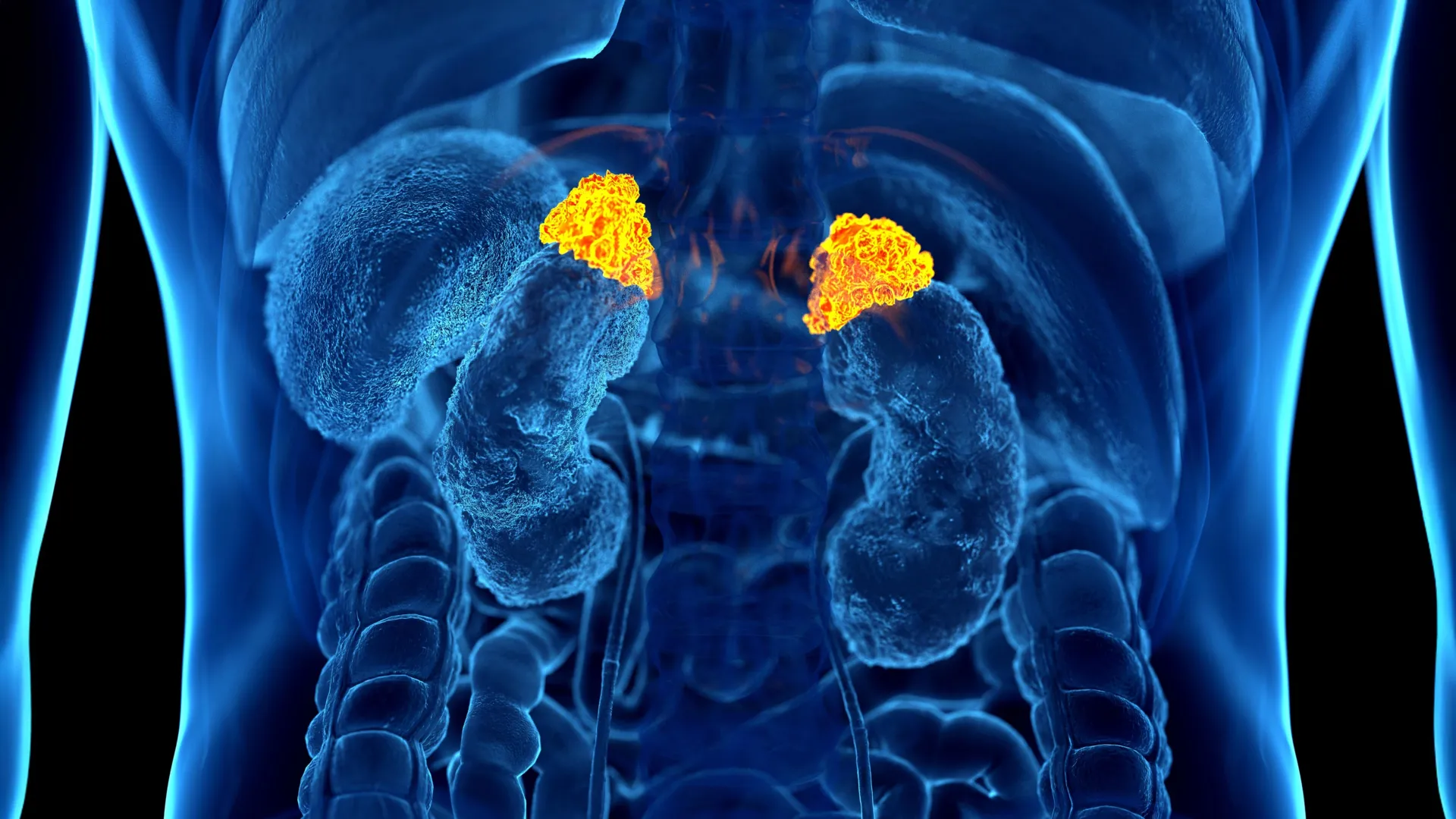
The core of this innovation lies in the adrenal glands—small, triangular organs located atop the kidneys that serve as the body’s primary control center for the stress response. Under chronic strain, these glands undergo subtle morphological changes. By utilizing a sophisticated deep learning algorithm, researchers can now automatically measure the volume of these glands using chest CT scans that patients have already undergone for other clinical reasons.
The team has dubbed this metric the "Adrenal Volume Index" (AVI). By dividing the adrenal volume by the square of a patient’s height, the model provides a standardized, quantifiable figure that acts as a long-term gauge of physiological stress. Unlike a traditional cortisol blood test, which offers a "snapshot" of a patient’s hormone levels at a single moment in time, the AVI represents a cumulative history of the body’s battle against persistent stressors.
The Chronology of the Study
The journey to this discovery began with the realization that the wealth of existing imaging data in hospitals remained largely untapped regarding the systemic impact of stress.
- Cohort Selection: Researchers tapped into the Multi-Ethnic Study of Atherosclerosis (MESA), a massive, longitudinal study that provided a rare, high-quality repository of data. The cohort included 2,842 participants with a mean age of 69.3, comprised of 51% women, providing a robust, multi-ethnic demographic for analysis.
- Data Integration: The study was unique in its ability to combine three distinct pillars of health data: routine chest CT imaging, validated psychosocial stress questionnaires, and rigorous biochemical metrics—including salivary cortisol levels taken eight times a day over two days.
- Model Development: Led by Dr. Elena Ghotbi, a postdoctoral research fellow at Johns Hopkins, the team trained their AI to isolate and measure the adrenal glands within these CT scans.
- Validation: With up to 10 years of follow-up data available for the participants, the team was able to correlate the AI-derived AVI with long-term clinical outcomes, proving that this metric was not just a theoretical construct, but a clinical predictor of disease.
Supporting Data: Connecting Morphology to Mortality
The strength of the study lies in the alignment between the AI’s measurements and established biological reality. The researchers defined "allostatic load"—the physiological wear and tear on the body—by analyzing a suite of markers including Body Mass Index (BMI), creatinine levels, glucose, heart rate, and blood pressure.
When the team compared these indicators against the AVI, the results were striking:
- Hormonal Correlation: Higher AVI values were directly linked to greater overall cortisol exposure and higher peak cortisol levels.
- Psychosocial Validation: Participants who self-reported high levels of perceived stress on validated questionnaires consistently showed higher AVI scores compared to those reporting lower stress.
- Cardiac Risk: The most alarming finding was the link to cardiovascular health. The study discovered a correlation between AVI and the left ventricular mass index, a key indicator of heart structure.
- The Mortality Threshold: For every 1 cm³/m² increase in the Adrenal Volume Index, the risk of heart failure and mortality increased significantly. This marks the first time an imaging-based marker has been validated as an independent predictor of heart failure, providing a clear, evidence-based link between the mind-body connection and physical pathology.
Official Responses and Expert Perspectives
The research has garnered significant attention from the medical community, with experts highlighting the practical "operationalization" of stress as a major milestone.
"For over three decades, we’ve known that chronic stress can wear down the body across multiple systems," says Dr. Teresa E. Seeman, a co-author and professor of epidemiology at UCLA. "What makes this work so exciting is that it links a routinely obtained imaging feature—adrenal volume—with validated biological and psychological measures. It’s a true step forward in operationalizing the cumulative impact of stress on health."
Dr. Shadpour Demehri, a professor of radiology at Johns Hopkins and the senior author of the study, emphasized the clinical utility of the discovery. "For the first time, we can ‘see’ the long-term burden of stress inside the body, using a scan that patients already get every day in hospitals across the country," he noted.
Dr. Demehri underscored the inefficiency of previous methods. "Until now, we haven’t had a way to measure and quantify the cumulative effects of chronic stress, other than questionnaires, surrogate serum markers like chronic inflammation, and cortisol measurement, which is very cumbersome to obtain."
Lead author Dr. Elena Ghotbi echoed these sentiments, focusing on the accessibility of the tool. "Our approach leverages widely available imaging data and opens the door to large-scale evaluations of the biological impact of chronic stress across a range of conditions using existing chest CT scans," she said. "This AI-driven biomarker has the potential to enhance cardiovascular risk stratification and guide preventive care without additional testing or radiation."
Implications: A New Era for Preventive Medicine
The implications for clinical practice are profound. Currently, tens of millions of chest CT scans are performed annually in the United States alone. By integrating this AI tool into the existing radiology workflow, healthcare providers could identify "at-risk" patients during routine screenings for other conditions, such as lung cancer or heart disease.
1. Risk Stratification
Clinicians could use AVI as a new, objective data point to categorize patients based on their "stress load." This would allow for personalized interventions, such as recommending stress-reduction programs, nutritional counseling, or earlier cardiac monitoring for patients whose adrenal volume suggests they are operating under high physiological strain.
2. Moving Beyond Questionnaires
Subjective questionnaires have long been the primary method for assessing patient stress, but they are prone to reporting bias and can be influenced by a patient’s current mood. By providing a "physiologically sound" measure, the AVI offers a level of objectivity that can help doctors distinguish between transient stress and the chronic, damaging variety that leads to systemic disease.
3. Cost-Effective Integration
Because the biomarker is derived from scans that are already paid for and performed for other diagnostic purposes, it requires no additional radiation exposure, no extra laboratory tests, and no added cost to the healthcare system. It essentially transforms "wasted" data into a vital diagnostic asset.
4. Future Research Directions
While the current study focuses on older adults, the researchers note that this imaging biomarker could potentially be applied to many stress-related diseases that affect a broader spectrum of ages. Future research will likely focus on whether reducing the "allostatic load" through clinical intervention can actually result in a decrease in adrenal volume, potentially allowing doctors to track the success of stress-reduction treatments in real-time.
As the medical community prepares to digest these findings at the RSNA, the message is clear: the era of the "invisible" burden of stress may be coming to an end. By turning the lens of AI toward the body’s internal stress response, researchers have provided a path toward more proactive, preventative, and personalized healthcare—one where the quiet, long-term impact of life’s pressures is finally, clearly visible.