










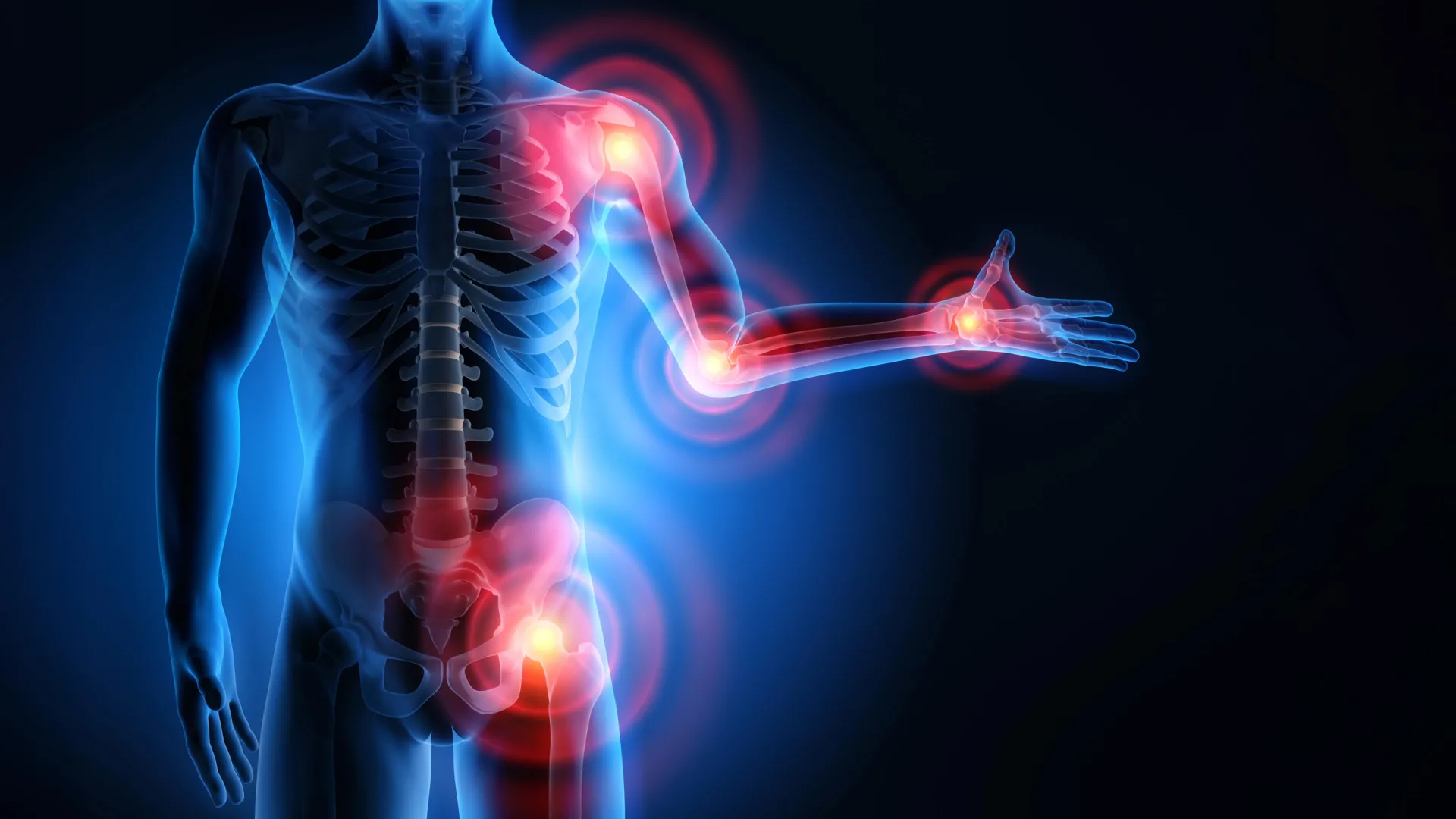
For millions of people worldwide, the daily ritual of taking a statin is a cornerstone of cardiovascular health. These medications, which inhibit the liver enzyme HMG-CoA reductase, have revolutionized the prevention of heart attacks and strokes, effectively lowering "bad" LDL cholesterol and extending life expectancy for high-risk populations. Yet, for a significant subset of patients—estimated between 7% and 29%—this life-saving intervention comes at a steep price: debilitating muscle pain, persistent weakness, and an exercise intolerance that often leads to the discontinuation of treatment.
For years, the medical community has grappled with "statin intolerance," a clinical hurdle that forces patients to choose between cardiovascular protection and quality of life. Now, a breakthrough study from McMaster University, published in Science Advances, has identified a previously unknown biological pathway that links muscle cell metabolism to the immune system. This discovery not only provides a long-sought explanation for statin-induced muscle damage but also suggests a future where the cardiovascular benefits of these drugs can be decoupled from their debilitating side effects.
The Anatomy of the Problem: Why Statin Side Effects Matter
The clinical significance of statins cannot be overstated. As the gold standard for lipid management, they are among the most prescribed medications in modern medicine. However, the prevalence of myalgia—muscle pain—and myopathy represents a major public health challenge. When patients experience these side effects, they often reduce their dosage or abandon the therapy entirely, inadvertently leaving themselves vulnerable to the very cardiovascular events the drugs were meant to prevent.
"Statins are among the most effective medications we have for reducing cardiovascular disease risk and preventing early death," explains Jonathan Schertzer, a professor in McMaster’s Department of Biochemistry and Biomedical Sciences and the senior author of the study. "Unfortunately, muscle side-effects lead some people to reduce their dose or stop taking the medication altogether. We wanted to understand why this happens and whether it might be possible to separate the side-effects from the benefits."
Until now, the biological mechanisms behind these symptoms remained largely enigmatic. While theories have existed for decades, none have provided a clear, actionable target for intervention. The lack of a precise mechanism has left clinicians with few options other than switching statin types or lowering doses, both of which can compromise the efficacy of the treatment.
Chronology of Discovery: From Muscle Cells to Immune Response
The research, led by first authors Nazli Robin and Nicole Barra of the Schertzer Lab at McMaster, represents years of meticulous investigation into cellular behavior. The team began by examining the fundamental interactions between statins and muscle cells, operating under the hypothesis that the issue lay in the disruption of cellular energy production.
Phase 1: Identifying the Metabolic Disruption
The researchers observed that statins do more than just lower cholesterol; they interfere with the complex machinery muscle cells use to generate ATP (adenosine triphosphate), the chemical energy required for muscle contraction. When this metabolic process is hampered, the cell enters a state of stress.
Phase 2: The Immune Trigger
The study’s most significant finding was the discovery that this metabolic stress acts as a siren call to the immune system. The stressed muscle cells, struggling to maintain their energy equilibrium, began to activate their own internal immune responses. This "metabolic-immune" cross-talk was previously unrecognized in the context of statin therapy.
Phase 3: Validation through Modeling
Using a combination of isolated muscle cell cultures and advanced mouse models, the team sought to prove that this immune activation was indeed the culprit behind the damage. By strategically blocking the specific immune pathways identified during the research, the team was able to prevent the majority of the muscle damage typically associated with statin exposure.
Supporting Data: Challenging Conventional Wisdom
For years, the prevailing belief was that muscle side effects were a direct, inevitable result of cholesterol depletion within the cell. The McMaster team’s findings challenge this linear thinking. By demonstrating that the damage-causing mechanism is functionally distinct from the cholesterol-lowering mechanism, the study opens the door to a new generation of "bystander" therapies.
"One of the most exciting findings of the research is that the mechanism causing muscle side-effects appears to be separate from the mechanism that lowers cholesterol," says Schertzer. This separation is the "holy grail" of pharmacology: the ability to maintain the primary therapeutic effect while eliminating the off-target toxicity.
The study also provides a new lens through which to view the relationship between inflammation and metabolic health. It suggests that when the metabolism of a cell is fundamentally altered by a drug, that cell may perceive the change as an infection or trauma, triggering an inflammatory response that leads to the clinical symptoms of soreness and fatigue.
Implications: A New Era of Statin Therapy
While the transition from bench to bedside requires extensive clinical trials, the implications of this study are profound. If scientists can target the immune pathway identified in the study—perhaps through a secondary, adjunctive medication—it could render statins tolerable for patients who currently cannot take them.
Potential for Precision Medicine
This research paves the way for a more personalized approach to cardiovascular health. Instead of a "one-size-fits-all" approach to statin prescription, doctors might one day offer a protective agent alongside the statin for patients identified as being at high risk for muscle-related side effects.
Expanding the Scope of Inflammation Research
Beyond statins, this discovery offers a template for investigating other drug-induced side effects. Many medications that alter metabolism may trigger similar immune responses, suggesting that the "metabolic-immune" link could be a major, overlooked factor in drug development and patient non-compliance across various therapeutic areas.
A Global Effort: The Collaborative Nature of Modern Science
The complexity of this research necessitated a truly global collaboration. The McMaster-led project drew on the expertise of institutions across the globe, including:
- Centre International de Recherche en Infectiologie (CIRI), Lyon, France
- Centre for Muscle Research, University of Melbourne, Australia
- Murdoch Children’s Research Institute, Australia
- The Royal Children’s Hospital, Australia
- York University, Canada
- McMaster’s Department of Pathology and Molecular Medicine
This international synergy allowed the team to integrate expertise in immunology, biochemistry, and muscle physiology, ensuring a robust and multi-faceted validation of their findings. The project was supported by funding from the Natural Sciences and Engineering Research Council of Canada (NSERC), highlighting the importance of government-backed fundamental research in addressing widespread clinical problems.
Looking Ahead: From Lab Bench to Pharmacy
Despite the optimism surrounding these findings, the researchers remain cautious. "More research is needed before the findings can be developed into treatments for patients," the team noted. The path forward involves moving from mouse models to human clinical trials, a process that will determine if the pathway identified in the lab holds true in the complex environment of the human body.
However, the momentum is undeniable. By identifying the biological "why" behind statin intolerance, the researchers have turned a wall into a door. The ability to distinguish between the life-saving benefits of a drug and its muscle-damaging consequences is a transformative concept in pharmacology.
As Schertzer concludes, "These findings give us a clearer understanding of why some patients experience muscle symptoms and provide promising directions for making these important medications safer and more effective in the future." For the millions of patients who live in fear of heart disease but struggle with the consequences of their treatment, this research represents more than just a paper in a journal; it is a glimpse of a future where cardiovascular health does not come at the cost of physical comfort.
As the scientific community continues to digest these findings, the focus will now shift to drug discovery efforts aimed at neutralizing the immune-metabolic trigger. If successful, the standard of care for heart health could be on the verge of its most significant improvement in decades, ensuring that no patient is forced to choose between the health of their heart and the health of their muscles.