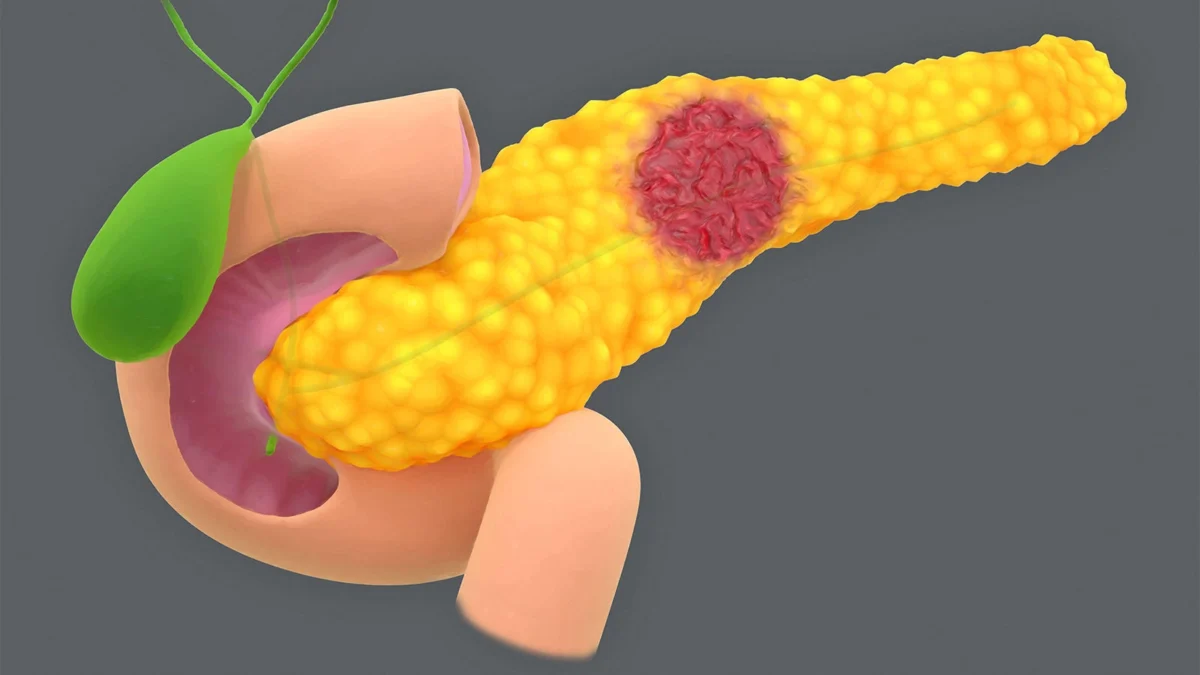
Pancreatic cancer remains one of the most formidable challenges in modern oncology. As the third leading cause of cancer-related death in the United States—with projections suggesting it may climb to the second spot by 2030—the disease is characterized by a lack of early-warning symptoms and an aggressive clinical course. For clinicians, the management of pancreatic cystic lesions, which are discovered in up to 18% of the general population, represents a critical diagnostic battleground.
A recent prospective, single-center study published in Gastroenterology has shed new light on how these lesions should be monitored. Led by Dr. Shounak Majumder of the Mayo Clinic, the research demonstrates that the risk of developing pancreatic cancer is not merely dictated by the presence of a single cyst feature, but rather by the "stacking" or accumulation of worrisome or high-risk traits. This discovery offers a potentially paradigm-shifting approach to surveillance, suggesting that patients with multiple concerning markers may require more aggressive clinical interventions.
The Core Findings: Quantifying the Cumulative Risk
The study, which followed more than 200 patients, aimed to bridge the gap in existing literature, which has historically relied on retrospective data with inconsistent follow-up. By utilizing a prospective cohort, the researchers sought to establish a clearer incidence rate for advanced neoplasia among patients whose cysts exhibited either "worrisome" or "high-risk" features.
The data reveals a stark correlation between the number of concerning traits and clinical outcomes. During a three-year follow-up period:
- Patients with a single concerning feature faced a relatively low 2% risk of developing pancreatic cancer or advanced precancerous changes.
- Patients with two concerning features saw that risk double to 4%.
- Patients with three or more concerning features experienced a significant surge in risk, reaching nearly 20% (specifically 18%).
These findings are particularly salient because they clarify the clinical "tipping point." While individual worrisome traits are relatively common, the study suggests that the clinical alarm bells should ring much louder when those traits begin to aggregate.
Chronology of the Study: From Enrollment to Clinical Observation
To understand the trajectory of these patients, it is essential to examine the study’s rigorous methodology. Dr. Majumder and his colleagues enrolled 230 patients, all of whom presented with cystic lesions characterized by either worrisome or high-risk markers.
- Initial Triage: Upon enrollment, 32 patients underwent surgical resection within the first three months, indicating that their cysts were already deemed high-risk enough to warrant immediate intervention.
- Surveillance Phase: The remaining 198 patients entered a structured clinical surveillance program. Of this group, the vast majority (93.4%) presented with worrisome features, while only 6.6% initially presented with high-risk cystic lesions.
- Progression and Intervention: During the follow-up period, 18 patients required surgery—15 for worrisome features and three for high-risk lesions.
- Pathological Confirmation: Post-surgical pathology was definitive. It revealed one case of high-grade dysplasia in an intraductal papillary mucinous neoplasm (IPMN) and two cases of stage IA IPMN-derived pancreatic cancers.
This chronological progression demonstrates that while the overall event rate remained low—leading to an impressive 95% overall survival rate during the study period—the predictive power of the "accumulation model" held true even within a relatively short window of observation.
Supporting Data: Understanding the Cyst Landscape
To contextualize the Mayo Clinic findings, it is necessary to look at the broader landscape of pancreatic health. Pancreatic cysts are frequently identified incidentally during imaging studies performed for unrelated abdominal complaints. Because the pancreas is deep within the abdomen, early-stage cancers are rarely palpable and rarely symptomatic.
The Categorization of Risk
In the context of the study, researchers evaluated a dozen different clinical and radiological traits. These were divided into two main categories:
- Worrisome Features: These are clinical markers that suggest a lesion requires close monitoring but does not necessarily mandate immediate surgery. These are the most common findings.
- High-Risk Stigmata: These features, such as obstructive jaundice or solid components within the cyst, carry a more immediate and severe prognosis.
The study underscored that worrisome traits were identified in over 90% of the patient cohort. The challenge for clinicians, therefore, is not just identifying these features, but understanding which combinations act as a "canary in the coal mine" for malignancy.
Official Perspectives: Dr. Majumder on Future Practice
In an interview with MedPage Today, Dr. Majumder emphasized the nuance required in interpreting these results. He cautioned that while the study is a significant step forward, it is not an immediate mandate to overhaul all current clinical guidelines.
"As of now, what we can say is that it’s the accumulation of the factors that seems to make a difference," Dr. Majumder noted. He explained that the research team arrived at the conclusion that "stacking" features—specifically moving beyond the threshold of two—shifts the patient into a much higher risk category.
A Measured Approach to Intervention
Dr. Majumder acknowledged the limitations of a single-center study but remained optimistic about its potential impact. "If this starts getting confirmed and validated in broader settings, then that could become something that’s more practice-changing," he said. "If you have multiple worrisome features, that’s a patient you really need to pay attention to, one that you may even want to consider for intervention with surgery."
The study effectively balances the need for caution with the need for action. It warns against "over-treating" patients with a single, stable cyst, while simultaneously providing a clear rationale for more invasive steps when the cyst’s profile becomes increasingly complex.
Implications: The Path Toward Early Detection
The implications of this research are profound for the field of gastroenterology and oncology. If the medical community can standardize the "accumulation of traits" as a diagnostic metric, it could dramatically refine the surveillance protocols for millions of people currently living with asymptomatic pancreatic cysts.
Identifying "What is Worrisome"
Looking toward the future, the research team identified a critical unanswered question: "What about ‘worrisome’ is actually worrisome?" Dr. Majumder admits that while they have identified the danger of accumulation, they have not yet parsed whether certain individual features carry more weight than others, regardless of whether they are paired with other traits.
"Right now, we know that multiple is worse than single, but there might be certain worrisome features where their singular presence might be as important," he said. Solving this mystery will require larger cohorts and longer follow-up durations to gather enough data points to isolate individual risk factors.
Reducing the Burden of Late-Stage Disease
The primary driver for this research remains the high mortality rate of pancreatic cancer. Because most cases are discovered at an advanced, unresectable stage, the opportunity to catch early-grade dysplasia or stage IA cancer is a "holy grail" for oncologists. Surgical resection of these early-stage lesions is the most effective way to improve long-term survival rates.
Reassurance for the Majority
Importantly, the study also offers a message of reassurance. The authors noted that they could have included every patient with a pancreatic cyst, but they chose to limit their cohort to the highest-risk individuals. They emphasize that for the vast majority of patients with simple, low-risk cysts, the natural history of the disease is not aggressive, and unnecessary surgery can be safely avoided.
Conclusion
The study by Dr. Majumder and his colleagues at the Mayo Clinic provides a vital, evidence-based roadmap for the management of pancreatic cysts. By shifting the focus from individual markers to the cumulative burden of multiple traits, clinicians are better equipped to stratify patient risk. While further research is needed to validate these findings across broader, more diverse populations, the "accumulation model" offers a promising, actionable strategy that could help move the needle on early detection—ultimately turning the tide against one of the deadliest cancers in modern medicine.