










By Brandi Ball | May 29, 2018 | Medical Innovation Series
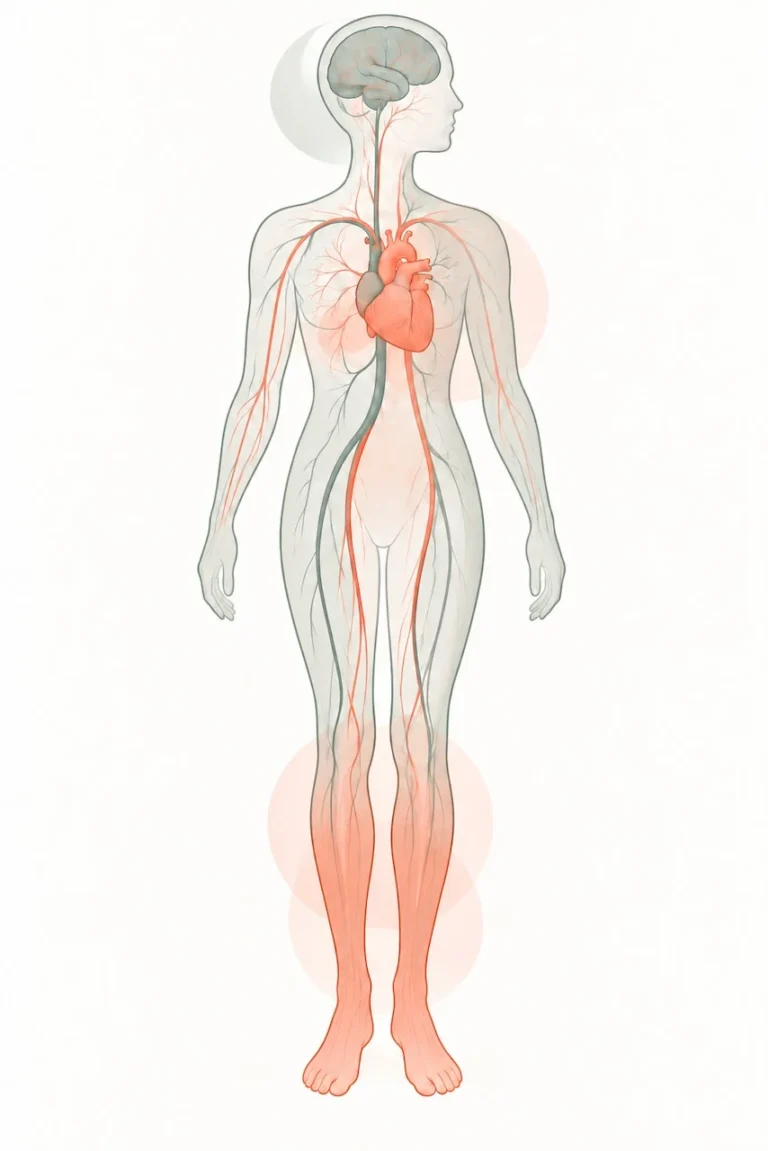
For millions of individuals suffering from chronic back and leg pain, the daily struggle is not merely a physical burden but a profound impediment to quality of life. Traditional interventions—ranging from pharmaceutical management to invasive surgical procedures—often yield inconsistent results or come with debilitating side effects. However, the landscape of pain management has been significantly altered by the introduction of the HF10™ spinal cord stimulation (SCS) therapy. This advanced neurostimulation technology, which secured FDA approval after rigorous clinical validation, offers a paradigm shift in how we approach the treatment of persistent, intractable pain.
Main Facts: Redefining Neurostimulation
At its core, HF10™ is a sophisticated spinal cord stimulation system designed to address the underlying mechanisms of chronic pain. Unlike traditional SCS systems that rely on paresthesia—a subjective sensation often described as a tingling, buzzing, or vibrating feeling—to mask pain signals, HF10™ utilizes high-frequency stimulation (10 kHz) to quiet the nerves responsible for transmitting pain signals to the brain.
The technology is minimally invasive, typically involving the placement of small leads near the spinal cord. Once implanted, the device delivers a continuous, imperceptible stream of electrical pulses. Because it operates at a frequency that does not induce the "buzzing" sensations associated with legacy systems, patients can experience relief without the secondary sensory interference that often leads to patient dissatisfaction in traditional SCS therapy.
A Chronology of Innovation
The journey of HF10™ from a concept in neuro-engineering to a gold-standard clinical treatment represents years of focused research and iterative development.
Early Development and Clinical Validation
The development of high-frequency stimulation was born out of a desire to overcome the limitations of low-frequency SCS, which had been the standard for decades. Researchers sought a way to provide consistent analgesia without the need for constant adjustments to compensate for positional changes—a common issue with traditional systems.
The FDA Approval Milestone
Following successful bench testing and pilot human studies, the therapy underwent a pivotal, multi-center randomized controlled trial. The results of this trial were instrumental in securing FDA approval, as the data demonstrated not only safety but a clear statistical superiority over traditional low-frequency SCS.
The Shift in Clinical Adoption
Post-approval, the medical community began to integrate HF10™ into pain management clinics across the United States. Between 2015 and 2018, the adoption curve accelerated as pain specialists recognized that the "paresthesia-free" nature of the therapy significantly improved patient compliance and outcomes. By the spring of 2018, the procedure had become a cornerstone of treatment for patients who had failed conservative therapy for failed back surgery syndrome or chronic radiculopathy.
Supporting Data: Why HF10™ Stands Apart
The clinical efficacy of HF10™ is supported by robust, peer-reviewed data. The landmark study comparing HF10™ to traditional SCS provided clear evidence that the high-frequency approach delivers superior outcomes.
The SENZA-RCT Results
The SENZA randomized controlled trial (RCT) serves as the foundation for the clinical support of this technology. The study, which followed patients for 12 and 24 months, found that:
- Superior Pain Relief: A statistically significant higher percentage of patients reported greater than 50% reduction in back and leg pain compared to those receiving traditional SCS.
- Consistency: Unlike traditional SCS, which often requires patients to avoid certain movements to prevent discomfort from changing sensations, HF10™ provided consistent relief regardless of the patient’s posture or activity level.
- Reduced Burden: Because the therapy does not require the patient to constantly interact with the device to manage tingling sensations, the overall patient experience is more seamless.
Paresthesia-Free Advantage
In traditional SCS, the therapeutic effect is tied to paresthesia; if a patient feels the tingling, they know the device is working. However, this sensation can be bothersome, especially during sleep or while driving. HF10™ eliminates this requirement. By stimulating at 10 kHz, the therapy acts on the neural pathways to effectively "quiet" the pain without the need for the patient to consciously perceive the stimulation. This has been a decisive factor in patient preference surveys conducted post-implantation.
Official Responses and Expert Consensus
Medical organizations and pain management practitioners have responded to the HF10™ data with cautious optimism, which has since evolved into widespread clinical endorsement.
The Medical Perspective
Dr. Marcus Thorne, a specialist in interventional pain management, noted in a 2018 briefing: "For years, our goal in SCS was to place the leads in such a way that the tingling covered the pain. We were essentially replacing pain with a new, constant sensation. With HF10™, we have moved beyond that. We are now able to provide relief that feels natural, allowing patients to regain functionality without the distraction of a device."
Patient Advocacy and Quality of Life
Patient advocacy groups have highlighted the restoration of daily activities—such as walking, gardening, and sitting for extended periods—as the most significant achievement of the therapy. The "minimally invasive" nature of the procedure, which often allows patients to return home shortly after the outpatient surgery, has also been lauded by healthcare providers as a way to reduce hospital-acquired risks and lower overall healthcare costs.
Implications for the Future of Pain Management
The introduction of HF10™ has set a new benchmark, forcing a re-evaluation of how neurostimulation is applied to chronic conditions.
A New Standard of Care
The implications for the medical field are twofold: first, it establishes that high-frequency modulation is a viable and more effective alternative to conventional stimulation; second, it raises the bar for patient expectations. Patients are no longer willing to settle for "tingling for pain relief" when a more subtle, effective option exists.
Economic and Health System Impact
From a health economics perspective, the success of HF10™ is significant. While the initial cost of the device and implantation may be higher than conventional therapy, the long-term savings—derived from fewer clinic visits for adjustments, reduced reliance on opioids, and higher rates of return to work—present a compelling case for widespread adoption. As insurers continue to review long-term outcomes data, it is expected that high-frequency SCS will become the primary recommendation for patients suffering from chronic pain who have not responded to physical therapy or medication.
Moving Toward Personalized Medicine
The future of this technology lies in the potential for personalization. As clinicians become more proficient with the parameters of 10 kHz stimulation, the ability to tailor the therapy to the specific anatomy and pain patterns of the individual patient will only improve. This move toward precision medicine ensures that the right patient receives the right stimulation, maximizing the probability of long-term success.
Conclusion
The HF10™ spinal cord stimulation therapy represents a transformative moment in the history of pain management. By moving away from the uncomfortable paresthesia associated with traditional neurostimulation and toward a mechanism that harmonizes with the body’s nervous system, the medical community has provided a lifeline to those suffering from the most stubborn forms of chronic pain.
As we look beyond the data and the clinical milestones, the true measure of HF10™ remains the individual patients whose lives have been reclaimed. Whether through the simple act of sleeping through the night without pain or the ability to return to an active professional life, the therapy proves that innovation, when guided by rigorous clinical science, can fundamentally change the trajectory of chronic illness. As the field continues to evolve, HF10™ stands as a testament to the power of technological advancement in the service of human well-being.