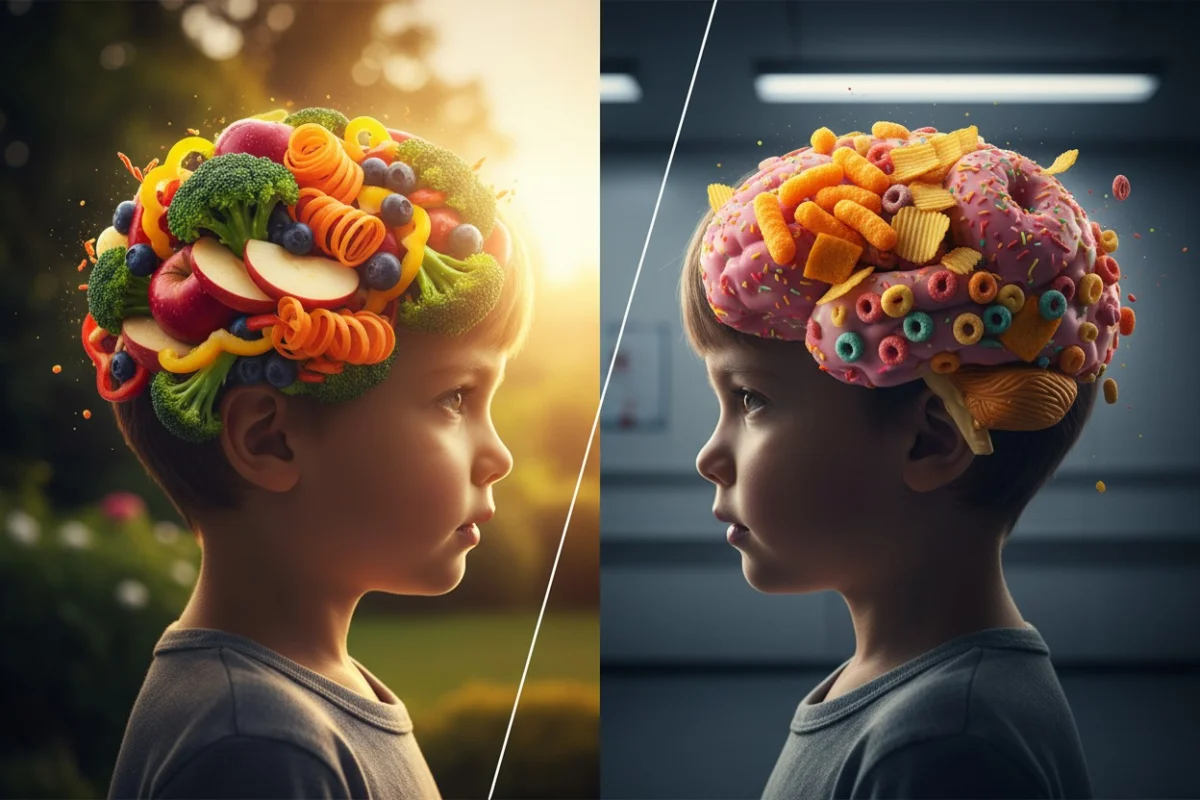
In a development that has sent ripples through the pediatric nutrition and neuroscience communities, a groundbreaking study from Children’s Hospital Los Angeles (CHLA) has unveiled a concerning correlation: the high consumption of ultra-processed foods (UPFs) during early childhood may be fundamentally altering the architecture of the developing brain. Published in The American Journal of Clinical Nutrition and supported by the National Institutes of Health, the study suggests that for young children, the convenience of processed snacks may come at a significant biological price.
The Core Findings: Quantifying the Impact
The research, which tracked 144 Latino children from infancy through age six, focused on the relationship between diet quality and the physical volume of specific brain regions. By measuring the consumption of UPFs at 6, 12, 24, and 72 months and conducting high-resolution brain MRIs at the end of the study period, researchers identified a distinct pattern.
For every 10% increase in the share of daily calories derived from ultra-processed sources, there was a corresponding 2% reduction in the volume of subcortical brain regions—specifically the amygdala and the thalamus. These regions are the neurological command centers for emotional regulation, reward processing, and motivation.
While the researchers were careful to note that this observational study establishes an association rather than direct causation, the scale of the findings is striking. If a child’s diet is heavily skewed toward processed foods—for instance, if 30% to 40% of their daily caloric intake consists of these items—the projected reduction in brain volume becomes significantly more pronounced. Perhaps most puzzling to the research team was that, despite these structural shifts, the children’s performance on standard cognitive tests for language, motor skills, and attention remained unaffected at this stage. This suggests that the brain may be masking functional deficits, or that the long-term impacts on executive function have yet to manifest.
A Chronological Window of Vulnerability
To understand the significance of these findings, one must view them through the lens of developmental biology. Early childhood—specifically the first six years of life—is a period of extraordinary neuroplasticity. During this window, the brain is not merely growing; it is pruning and refining neural pathways at a rate that will never be matched in adulthood.
The CHLA study monitored children at critical intervals:
- Infancy (6–12 months): The period of introducing solid foods, where taste preferences and metabolic programming begin.
- Toddlerhood (24 months): A time of rapid brain expansion and increasing autonomy in food choices.
- Early School Age (72 months): The point at which the MRI scans were conducted to assess the cumulative impact of these dietary years.
The researchers highlighted that 81% of toddler food products currently available in major retail chains are classified as ultra-processed. With American children aged 1 to 5 years already deriving more than half of their daily energy from these industrial products, the study provides a sobering look at what is essentially a massive, ongoing dietary experiment on a generation of developing brains.
The Biological Mechanisms: Why Processed Foods Matter
Why would a chicken nugget or a pre-packaged muffin affect the size of a child’s amygdala? Experts point to a "triple threat" of metabolic and physiological disruptions caused by the nature of ultra-processed foods.
1. Chronic Inflammation and Oxidative Stress
Unlike whole foods, which are rich in phytochemicals, fiber, and micronutrients, ultra-processed foods are typically stripped of these protective compounds. Their consumption has been linked to systemic, low-grade inflammation. Because the developing brain is highly sensitive, chronic inflammation can impair the integrity of neural tissues.
2. The Nutrient Gap
As Diana Cusa, a registered dietitian at Northwell Health, notes, the brain requires specific building blocks—omega-3 fatty acids, iron, choline, B vitamins, and antioxidants—to construct healthy gray matter. When a child’s caloric budget is dominated by "empty" calories, these essential nutrients are crowded out, leaving the brain without the raw materials necessary for optimal structural development.
3. Insulin Resistance and Dopaminergic Overstimulation
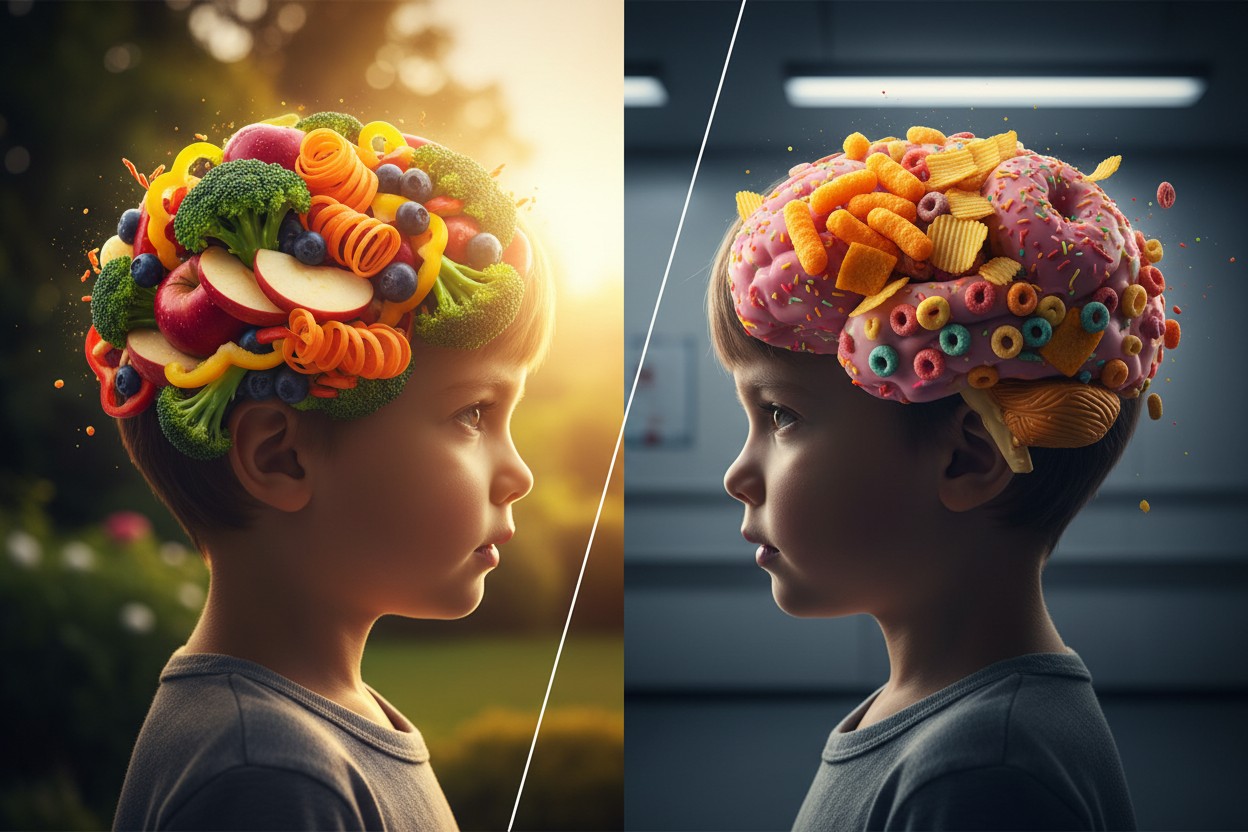
UPFs are engineered for "hyper-palatability," often utilizing combinations of sugar, salt, and fat that do not exist in nature. These foods can overstimulate the brain’s reward systems. Research into dopamine pathways suggests that constant exposure to these high-reward foods may alter how the brain perceives satiety and motivation, potentially contributing to the structural differences observed in the reward-processing centers of the brain.
Expert Perspectives and Practical Guidance
The consensus among health professionals is that while the CHLA findings are concerning, they are not a call for parental panic. Lindsay Malone, a professor at Case Western Reserve University, emphasizes that nutrition is the cornerstone of lifelong health, but that rigidity is not the solution.
"Most kids will eat ultra-processed foods sometimes," Malone explains. "And that’s okay." The key, she argues, is the "80/20" approach—ensuring that the majority of a child’s diet consists of whole, nutrient-dense foods like fruits, vegetables, quality proteins, and healthy fats, while reserving processed snacks for occasional treats.
For parents looking to navigate this, the dietitians offer several actionable strategies:
- Shop the Perimeter: The edges of grocery stores typically house fresh produce, meats, and dairy, while the inner aisles are dominated by UPFs.
- Ingredient Literacy: If a product contains ingredients that would not be found in a home kitchen (e.g., emulsifiers, dyes, or complex preservatives), it is likely ultra-processed.
- The Beverage Shift: Replacing sugary drinks or processed juices with water is one of the most effective ways to lower the cumulative intake of industrial additives.
- Involvement: Involving children in food preparation has been shown to increase their willingness to try and enjoy whole foods, fostering a healthier relationship with nutrition from a young age.
Implications for Public Policy
The study arrives at a time of unprecedented scrutiny regarding the American food supply. The "Generally Recognized As Safe" (GRAS) designation, which has allowed food manufacturers to introduce new additives into the food supply with minimal regulatory oversight for over six decades, is currently under fire.
High-profile figures, including Health and Human Services Secretary Robert F. Kennedy Jr. and former FDA Commissioner David Kessler, have voiced strong support for reforming these regulatory frameworks. They argue that the current system prioritizes industrial efficiency over the long-term health of the citizenry—particularly children. The CHLA study serves as a scientific catalyst for this debate, providing empirical evidence that the consequences of these additives may be etched into the very structure of the human brain.
Moving Toward Future Research
While the findings from Children’s Hospital Los Angeles are significant, senior author Michael I. Goran admits that they represent only the beginning of our understanding. "We still have much to learn about how early dietary exposures influence the developing brain," Goran said in a press statement.
The research team is already looking ahead to the next phase of the project, which will focus on identifying the "sensitive windows" of development. By pinpointing exactly when the brain is most vulnerable to the negative impacts of UPFs, scientists hope to provide more targeted dietary guidelines for parents and policymakers alike. Furthermore, the team aims to map the biological pathways more precisely—determining whether these structural changes are permanent or if dietary intervention can, at a later stage, mitigate or reverse some of these effects.
As the body of evidence grows, one thing is becoming increasingly clear: the distinction between "food" and "ultra-processed industrial product" is not just a semantic debate. It is a matter of neurological health. In an era where convenience is king, these findings serve as a potent reminder that the most critical infrastructure we can invest in is the biological foundation of the next generation. For parents, the lesson is clear: every whole-food choice is a building block for a healthier, more resilient brain.