For decades, creatine monohydrate has been the gold standard of the sports nutrition world. It is the go-to supplement for bodybuilders, sprinters, and weekend warriors alike, prized for its ability to help the body regenerate ATP—the universal energy currency of life—during high-intensity physical exertion. However, groundbreaking new research from the University of California, Los Angeles (UCLA) suggests that this humble supplement may possess capabilities far more profound than merely building muscle mass.
Scientists at the Eli and Edythe Broad Center of Regenerative Medicine and Stem Cell Research have uncovered evidence that creatine plays a pivotal, previously unknown role in the immune system. Specifically, it appears to act as a metabolic "rechargeable battery" for dendritic cells, the specialized immune cells tasked with identifying tumors and orchestrating a lethal strike by T cells. This discovery opens a new frontier in oncology, suggesting that simple metabolic interventions could potentially bridge the gap for the millions of patients who currently do not respond to modern cancer immunotherapies.
The Metabolic Engine of the Immune System
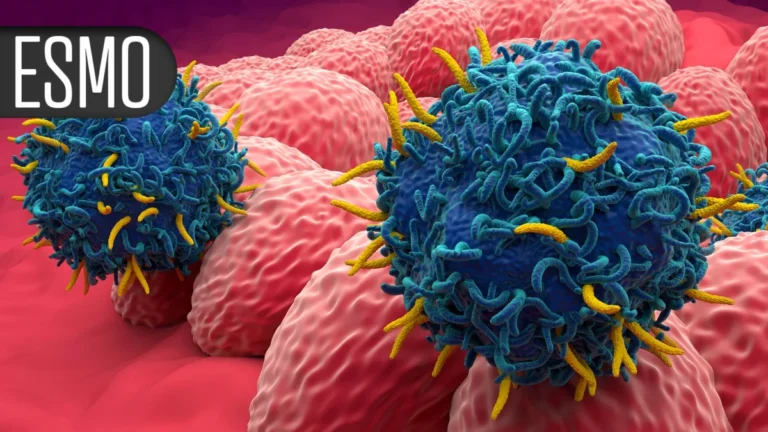
To understand the magnitude of this discovery, one must first understand the battlefield of cancer. Cancerous tumors are masters of survival; they compete aggressively for the limited nutrients within their microenvironment, often starving the very immune cells meant to eliminate them. Dendritic cells are the "generals" of the immune system. They patrol the body, ingest tumor-derived antigens, and present them to killer T cells. If the dendritic cell is sluggish or under-energized, the T cell never receives the "marching orders" required to launch an attack.
The UCLA study, published in the journal iScience, provides the first comprehensive look at how creatine influences this vital cellular communication. Researchers found that dendritic cells infiltrating tumors ramp up their production of creatine transporters—the proteins that act as "gatekeepers" to allow creatine entry into the cell. This suggests that the immune system is intuitively attempting to hoard energy in the hostile, nutrient-poor environment of a tumor.
A Chronology of Discovery: Building on T Cell Research
The path to this discovery was not sudden; it was a logical evolution of metabolic immunology. Years prior, the same laboratory led by Dr. Lili Yang, a professor of microbiology, immunology, and molecular genetics at UCLA, discovered that creatine is essential for the function of cytotoxic T cells—the "foot soldiers" that physically destroy cancer cells.
Building on that foundation, the team hypothesized that if creatine helps the soldiers, perhaps it also assists the commanders. The research process unfolded in three distinct phases:
- Gene Profiling: The team observed that dendritic cells found inside tumors exhibited significantly higher expression of the creatine transporter gene compared to their counterparts in healthy tissue. This was a "smoking gun" indicating that these cells were desperately attempting to import energy to survive the tumor’s environment.
- Loss-of-Function Testing: Using CRISPR-like gene-editing techniques, the researchers created dendritic cells that lacked the ability to transport creatine. The results were stark: without this energy reservoir, the cells withered, failed to activate, and—most importantly—lost the ability to effectively train T cells to recognize cancer.
- Gain-of-Function Intervention: In the final stage, researchers introduced supplemental creatine into mouse models of melanoma. The outcome was a significant slowing of tumor growth. The treated mice displayed a surge in the number of active, tumor-infiltrating dendritic cells, which were busy releasing chemical signals to recruit further immune reinforcements to the site of the cancer.
Supporting Data: The ATP Connection
The core of the study’s data rests on the role of Adenosine Triphosphate (ATP). Within the dendritic cell, creatine acts as a high-speed buffer. When the cell is under stress—such as when it is attempting to process tumor antigens while being starved of glucose by the cancer—the creatine phosphate system kicks in. It rapidly donates a phosphate group to ADP to synthesize more ATP, ensuring that the cell’s signaling pathways remain active.
Without this buffer, the dendritic cell’s metabolic "battery" runs dry. The data showed that creatine-deficient cells were not just physically weaker; they were functionally mute. They failed to secrete the cytokines necessary to attract other immune cells. In contrast, creatine-supplemented cells acted as beacons, turning the tumor microenvironment from a "cold" zone where the immune system was excluded, into a "hot" zone teeming with anti-tumor activity.
Official Responses and Scientific Perspective
The implications of these findings have resonated throughout the oncology community, though the lead researchers are careful to maintain a measured, scientific tone.
"Immunotherapy has shown remarkable promise, but it only works for a subset of patients," said Dr. Lili Yang, the study’s senior author. "What this study shows is that creatine doesn’t just help the T cells fighting cancer—it also energizes the entire infrastructure that supports and guides them. That makes creatine a promising supplement to holistically support the immune response that modern immunotherapies depend on."
James Elsten-Brown, a co-first author and graduate student in Yang’s lab, highlighted the potential for clinical application: "The potential we see here is that creatine could be used in two complementary ways: as a supplement to enhance the immune response of patients already receiving immunotherapy, and as a tool to improve the quality of dendritic cell-based vaccines before they’re administered."
Elliot Kang, another co-first author and former undergraduate researcher, emphasized the shift in perspective this research necessitates: "Understanding how to metabolically support dendritic cells is about supporting the entire anti-tumor response, not just the killer T cells at the end of it."
Implications for Future Cancer Treatment
The potential applications for this research are twofold, addressing both the in vivo (inside the body) and ex vivo (outside the body) aspects of treatment.
Enhancing Cancer Vaccines
Dendritic cell-based vaccines are a burgeoning field of personalized medicine. Doctors extract a patient’s own dendritic cells, train them in a lab to recognize their specific cancer, and then re-inject them into the patient. The UCLA study suggests that if these cells are "recharged" with creatine during the laboratory production phase, they may be far more potent upon re-introduction. This could potentially increase the efficacy of vaccines that have historically struggled to achieve strong clinical results.
Complementary Immunotherapy
For patients currently undergoing checkpoint inhibitor therapy—a standard form of immunotherapy—creatine could serve as a low-cost, low-risk "metabolic adjuvant." By keeping the immune system’s energy levels high, patients might see a better response to the drugs that are meant to unleash their immune systems against the tumor.
A Crucial Caveat: The Road to Human Trials
While the findings are undeniably exciting, the scientific community emphasizes that this remains a preclinical study. The researchers have worked exclusively with mouse models and human cells in petri dishes.
It is critical to note that this study is not clinical proof that taking store-bought creatine supplements will treat or cure cancer in humans.
The dosages, timing, and biological complexities of a human body—compared to a controlled laboratory environment—are vastly different. Furthermore, cancer patients often have unique metabolic profiles, and any supplement can potentially interact with chemotherapy or other targeted treatments. The research team strongly urges patients not to begin self-medicating with creatine in the hopes of treating cancer. Clinical trials are the necessary next step to determine if these findings translate into human clinical success, and if so, what the appropriate, safe, and effective protocols would be.
Conclusion
The intersection of metabolism and immunology is perhaps the most exciting frontier in cancer research today. The UCLA study serves as a powerful reminder that the body’s defenses are not just a collection of cells, but a series of energy-demanding processes. By viewing the immune system through the lens of metabolic health, researchers are discovering that the keys to curing cancer may not always lie in complex, synthetic molecules, but in supporting the natural, biological infrastructure already present within us.
As the research moves toward potential clinical trials, the medical community will be watching closely. For now, the "rechargeable battery" hypothesis remains one of the most promising avenues for turning the tide against treatment-resistant tumors, potentially changing the landscape of cancer care one cell at a time.
Disclaimer: The experimental approaches described in the referenced study have not been tested in humans or approved by the Food and Drug Administration (FDA) as safe and effective for use in people. Always consult with a qualified oncologist or healthcare provider before introducing any supplements to a cancer treatment regimen.