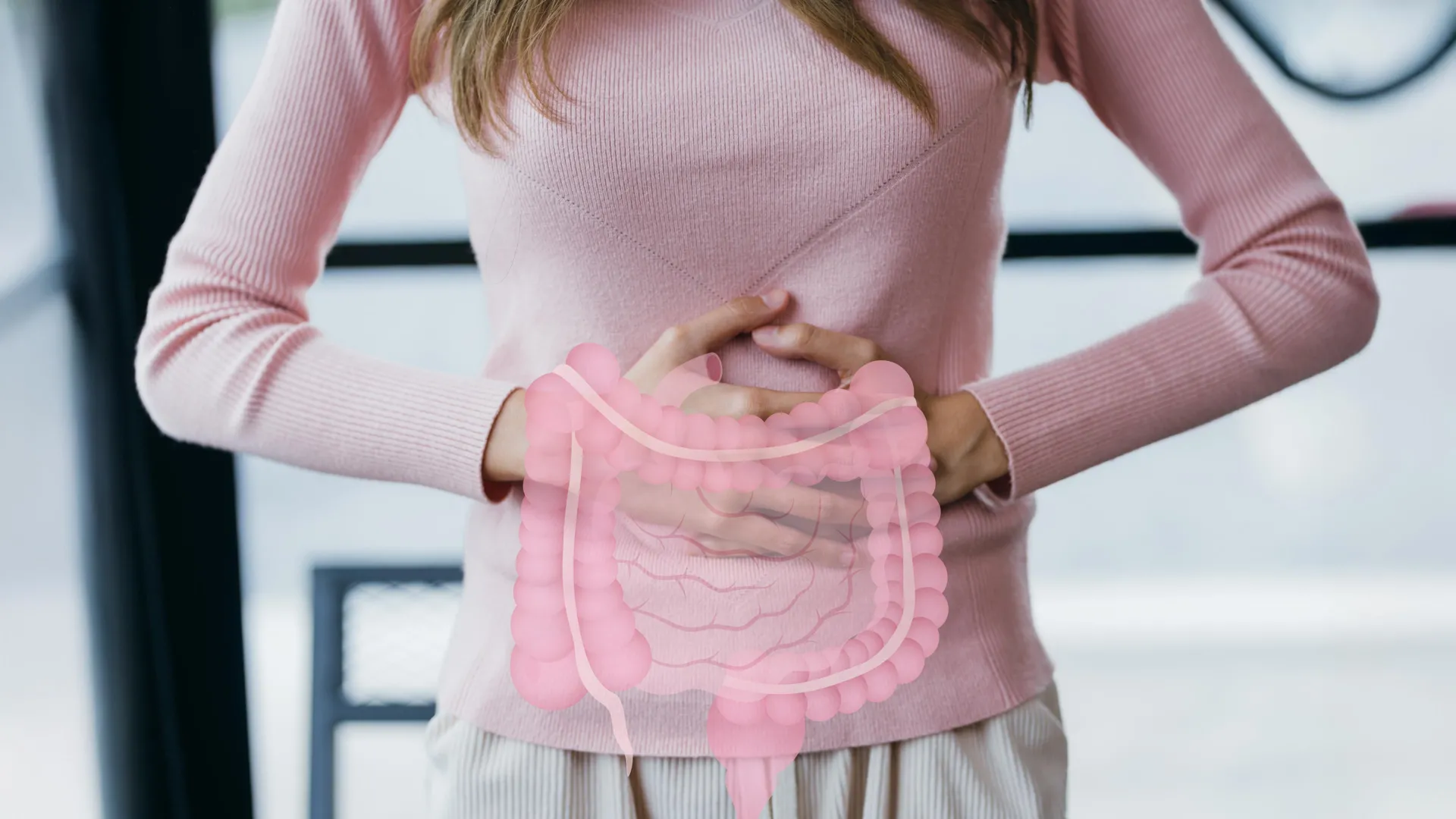
In the complex ecosystem of the human digestive system, the rhythm of intestinal motility is everything. When that rhythm is disrupted, it can lead to chronic, debilitating conditions that affect millions worldwide. Now, a groundbreaking study from Toho University has identified a promising, naturally occurring ally in the quest to stabilize gut function: ferulic acid (FA), a polyphenol abundant in rice bran.
The research, led by Dr. Keisuke Obara, Dr. Kento Yoshioka, and Professor Yoshio Tanaka of the Faculty of Pharmaceutical Sciences, suggests that this humble plant compound possesses the unique ability to modulate intestinal smooth muscle contractions. By blocking voltage-dependent calcium channels, ferulic acid may offer a new, non-pharmaceutical avenue for managing the symptoms of gastrointestinal disorders such as irritable bowel syndrome (IBS) and inflammatory bowel disease (IBD).
The Main Facts: A Natural Regulator for Digestive Rhythms
At its core, the study demonstrates that ferulic acid acts as a natural inhibitor of intestinal smooth muscle hyperactivity. The research focused on the ileal longitudinal smooth muscle (ILSM) of guinea pigs to observe how the compound interacts with the signaling molecules responsible for muscle movement.
The findings were definitive: ferulic acid significantly attenuated contractions triggered by common signaling molecules, including acetylcholine, histamine, prostaglandin F2α, and serotonin. Crucially, this effect was found to be both concentration-dependent and reversible. When the ferulic acid was removed, the intestinal tissue resumed its normal rhythmic contractions, suggesting that the compound acts as a transient, tunable regulator rather than a permanent disruptor of digestive function.
Furthermore, the team determined that the mechanism of action is noncompetitive. Rather than simply blocking individual receptors for signaling molecules, ferulic acid targets a more fundamental, shared pathway involved in the contraction of smooth muscle cells.
Chronology of the Discovery: From Benchtop to Biological Insight
The journey to this discovery began with a broader inquiry into the properties of polyphenols. Ferulic acid has long been celebrated in the scientific community for its robust antioxidant and neuroprotective capabilities. However, its specific influence on gastrointestinal motility remained an under-explored frontier.
Phase 1: Identifying the Gap
For years, clinicians have noted that patients with IBS and IBD suffer from erratic intestinal movement. In some, the gut is hyper-reactive, leading to painful spasms and diarrhea; in others, the gut becomes sluggish, leading to constipation. The Toho University team sought to investigate if a dietary compound could directly dampen the "over-firing" of the gut’s muscle tissue.
Phase 2: Experimental Validation
The researchers initiated a series of in vitro experiments. By applying ferulic acid to guinea pig ILSM, they monitored the tissue’s response to excitatory stimuli. The reduction in contraction was immediate and observable. Subsequent experiments utilized vascular smooth muscle cell models to identify the specific physiological pathway involved.
Phase 3: Pinpointing the Mechanism
By measuring intracellular calcium levels, the researchers observed that ferulic acid effectively blocked the influx of calcium ions triggered by potassium chloride. This confirmed that the compound inhibits voltage-dependent calcium channels, effectively "turning down the volume" on the electrical signals that tell muscle cells to contract.
Supporting Data: The Science of Calcium Signaling
The mechanism identified by the Toho University team centers on the role of calcium in muscle contraction. In smooth muscle, the rise of intracellular calcium is the "master switch" for tension. When voltage-dependent calcium channels open, calcium floods the cell, triggering the proteins actin and myosin to slide past each other, resulting in a contraction.
The data from the Toho study indicates that ferulic acid acts as a "gatekeeper." By preventing this calcium influx, the compound prevents the smooth muscle from reaching the threshold required for a powerful spasm.
Key data points from the research include:
- Potency: The inhibitory effect of FA was observed across multiple excitatory pathways (serotonin, acetylcholine, etc.), suggesting it acts downstream of the receptors at the level of the muscle cell membrane.
- Reversibility: The recovery of normal contraction patterns post-exposure indicates that the compound does not damage the muscle tissue.
- Specificity: The inhibition of voltage-dependent calcium channels provides a clear pharmacological target, distinguishing FA from broad-spectrum muscle relaxants.
Official Responses and Scientific Perspective
While the study has been met with enthusiasm, the research team remains cautious, emphasizing the importance of distinguishing between laboratory results and clinical reality.
"This discovery provides a compelling foundation," noted Professor Yoshio Tanaka in a recent summary of the team’s work. "However, it is vital to acknowledge the gap between in vitro success and human therapeutic application. We are looking at a compound that shows immense promise as a natural regulator, but we must now transition to identifying the pharmacokinetics of how this works in a living, human digestive tract."
Independent experts in gastroenterology have noted that while the research is robust, the challenge lies in bioavailability. "Ferulic acid is abundant in our diet, but we must determine if consuming it through whole grains or supplements provides enough concentration to reach the target sites in the small intestine," says an external specialist in gut motility.
Implications: The Future of Dietary Interventions
The implications of this study are twofold: potential relief for those with hyper-motility and a cautionary note for those with existing sluggishness.
A New Tool for Diarrhea-Predominant IBS
For patients suffering from diarrhea-predominant IBS or inflammatory bowel disease, the findings offer a glimmer of hope. Current pharmaceutical treatments often come with side effects or are limited by systemic absorption. If ferulic acid can be harnessed as a localized dietary intervention, it could potentially soothe the gut without the systemic impact of synthetic drugs.
Risks and Considerations
Conversely, the study warns that "more is not always better." Because ferulic acid naturally slows intestinal movement, it could potentially exacerbate symptoms in patients with constipation-predominant IBS or healthy individuals. This suggests that any future clinical application would require a personalized approach, ensuring that the intervention is targeted to those whose intestinal motility is excessively high.
Bridging the Gap to Clinical Trials
The road ahead for ferulic acid involves rigorous clinical testing. The researchers emphasize that the concentrations required for the observed effect in the lab were significantly higher than standard systemic blood levels. However, they propose that because the compound is ingested, it comes into direct contact with the lining of the digestive tract, potentially reaching higher local concentrations than previously assumed.
Future studies will likely focus on:
- Bioavailability: Measuring local concentrations of FA in the human gut after consumption.
- Formulation: Determining whether whole-grain diets or specific, concentrated supplements are more effective.
- Safety Profiles: Identifying the long-term effects of modulating intestinal calcium channels through dietary polyphenols.
Conclusion: A Paradigm Shift in Gut Health?
The research from Toho University marks a significant step forward in our understanding of how diet influences the mechanical function of the gut. By identifying a specific, natural mechanism—the inhibition of voltage-dependent calcium channels—the team has provided a scientific framework for what has historically been anecdotal evidence: that diet plays a profound role in the comfort and rhythm of our digestive systems.
While a "ferulic acid pill" for IBS is not yet on pharmacy shelves, the study provides a clear, actionable roadmap for future research. It validates the potential for natural, plant-derived compounds to serve as legitimate tools in modern medicine. As we move toward a future where nutrition is increasingly viewed as a form of clinical therapy, the humble rice bran may well find itself at the center of a new, natural approach to managing the complexities of the human gut.
For those living with the daily challenges of intestinal motility disorders, the work of Dr. Obara, Dr. Yoshioka, and Professor Tanaka offers a renewed sense of possibility—a reminder that sometimes, the answers to our most persistent health problems are hidden in the foods we have been eating all along.