For decades, the Cancer Research Institute (CRI) has stood at the vanguard of the medical frontier, transforming the way the world understands and treats cancer. By harnessing the innate power of the human immune system, CRI-funded scientists are turning once-terminal diagnoses into stories of survival. However, this progress does not occur in a vacuum. It is fueled by the generosity of a community of donors who look beyond their own lives to ensure a future where cancer is no longer a threat.
As August marks "Make-A-Will Month," the Cancer Research Institute is encouraging its supporters to consider a profound, lasting contribution: the inclusion of CRI in their wills or living trusts. This simple, flexible act of philanthropy is not merely a financial transaction; it is a declaration of hope, a commitment to scientific discovery, and a vital bridge to a world immune to cancer.
Main Facts: The Power of Planned Giving
A legacy gift, or bequest, is one of the most accessible ways for individuals to make a significant impact on medical research. Unlike current-year donations, which address immediate needs, a legacy gift provides the long-term financial stability required for high-risk, high-reward scientific research that often takes years—or even decades—to come to fruition.
Why Legacy Gifts Matter
- Flexibility: Donors can update their wills or trusts at any time, ensuring their personal circumstances are always reflected in their giving.
- Sustainability: Bequests of all sizes aggregate to form a substantial portion of CRI’s research funding, providing a reliable pipeline for scientists to pursue bold, innovative projects.
- Fiscal Responsibility: CRI is consistently recognized by independent charity assessors for its rigorous governance and transparency, providing donors with the peace of mind that their legacy will be managed with the utmost care and efficiency.
Chronology: From Lab Bench to Patient Bedside
The history of the Cancer Research Institute is a timeline of defying the status quo. Founded on the belief that the immune system could be directed to fight cancer, the organization has evolved through several distinct phases of scientific breakthrough:
The Early Pioneers (1950s–1970s)
In an era when surgery, radiation, and chemotherapy were the only pillars of oncology, CRI began funding the "fringe" science of immunology. Many at the time believed that the immune system was incapable of recognizing cancer cells. Through persistence and the support of visionary donors, CRI helped prove otherwise, laying the groundwork for what would eventually become the fourth pillar of cancer treatment.
The Era of Clinical Validation (1980s–2000s)
CRI transitioned from pure discovery to translational medicine. This period saw the first successful applications of monoclonal antibodies and checkpoint inhibitors. During this time, the importance of long-term funding became clear: as research grew more complex, the need for sustained, multi-year support became the primary hurdle for the next generation of scientists.
The Modern Frontier (2010s–Present)
Today, CRI is at the center of the artificial intelligence and genomic revolution in medicine. Researchers are now mapping the T-cell receptor repertoire and utilizing machine learning to predict how individual patients will respond to immunotherapy. This current wave of research is the direct beneficiary of the legacy gifts made by donors years ago, proving that the impact of a bequest transcends time.
Supporting Data: The Impact of Your Contribution
The efficacy of CRI’s model is backed by data that reflects both organizational excellence and scientific achievement.
Governance and Transparency
CRI has earned a 100-point, four-star rating from major charity evaluators. This high standing is a result of consistent fiscal oversight. For the prospective donor, this means that every dollar earmarked in a will or trust is tracked and deployed with a focus on minimizing overhead and maximizing the resources reaching the laboratory.
Scientific Productivity
The funding provided by the CRI community supports a diverse array of projects. According to current metrics, CRI-funded initiatives are currently exploring:
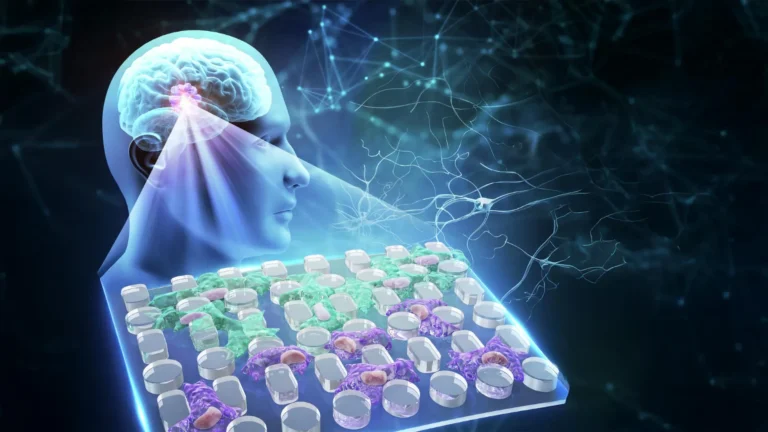
- Neuro-Immunology: Examining how sensory neurons interact with the tumor microenvironment in lung cancer.
- Computational Biology: Utilizing AI-driven approaches to analyze T-cell dynamics, allowing for faster and more accurate immunotherapy protocols.
- Clinical Trials: Providing the "seed capital" for early-phase clinical trials that pharmaceutical companies may deem too risky or early-stage to support.
Official Responses: Insights from Leadership and Research
The decision to leave a legacy gift is a deeply personal one, often driven by a direct experience with cancer. Katherine Pooser, Director of Planned Giving at the Cancer Research Institute, notes that the motivation for these gifts often comes from a place of gratitude and forward-looking optimism.
"When a person generously gives through a will or living trust, they can do so with confidence knowing CRI regularly receives recognition from third-party assessors for its good governance and fiscal responsibility," Pooser states. She emphasizes that there is no "too small" gift. "Supporters can also be confident that their gift makes a real difference. Bequests of every size come together to make up a substantial part of the funding that drives the next wave of immunotherapy developments."
The Investigator’s Perspective
For the scientists on the ground, this funding is more than just a grant; it is an affirmation of their life’s work. Lloyd Bod, PhD, a CRI Thompson Family Foundation CLIP Investigator and assistant professor of medicine at Massachusetts General Hospital, highlights the collaborative nature of the CRI network.
"Being a CRI CLIP Investigator is an honor, and not only provides crucial funding, but also connects me with a network of researchers dedicated to making groundbreaking discoveries in immunotherapy," Dr. Bod explains. "It is a commitment to pursuing innovative science that can lead to life-saving therapies for patients worldwide."
For researchers like Dr. Bod, the support from the community allows them to take the intellectual risks necessary to change the standard of care. Without the buffer provided by legacy gifts, many of these "moonshot" projects would never leave the planning phase.
Implications: The Future of Cancer Care
The implications of including the Cancer Research Institute in your estate plans extend far beyond the immediate financial support of the organization. By participating in planned giving, you are contributing to a cultural shift in how we approach death and legacy.
Building a World Immune to Cancer
The ultimate goal of CRI is not just to treat cancer, but to render it a manageable or even curable condition through the body’s own defenses. This is a monumental task that requires the collective effort of society. When you make a bequest, you are joining a legacy of donors who have successfully moved the needle from "impossible" to "standard of care."
Strengthening the Research Pipeline
Research is a fragile ecosystem. Economic downturns or shifts in government funding can often halt promising studies. By providing a steady stream of legacy support, CRI ensures that its researchers are protected from the volatility of external market forces. This continuity of care—ensuring that a brilliant young scientist does not have to abandon a project due to a lack of funding—is perhaps the greatest gift an individual can provide to the future of humanity.
How to Take the Next Step
Make-A-Will Month is the perfect time to evaluate your estate plans. Whether you are creating a will for the first time or updating an existing trust, adding a provision for the Cancer Research Institute is a straightforward process that can be completed with the help of your legal or financial advisor.
If you have questions about how to structure your gift, or if you simply want to learn more about the specific areas of research your legacy might support, the CRI office of gift planning is available to assist you. You can reach them directly at 212-792-5212.
Your decision today will serve as a beacon of hope for patients who have yet to be diagnosed and for the scientists who will dedicate their careers to finding the cure. In the fight against cancer, time is the one resource we cannot afford to lose—but through your legacy, you can ensure that the fight continues long after you are gone.
By including the Cancer Research Institute in your will, you aren’t just writing a document; you are writing the future of medicine. Together, we can create a world immune to cancer.