











For decades, the public health narrative surrounding alcohol has been relatively binary: heavy consumption is universally detrimental, while the effects of light to moderate drinking have remained a subject of intense debate and conflicting headlines. However, a significant new study presented at the American College of Cardiology’s Annual Scientific Session (ACC.26) is challenging the "one-size-fits-all" approach to alcohol research. By analyzing data from over 340,000 individuals, researchers have uncovered evidence suggesting that when it comes to low and moderate consumption, the type of alcohol in your glass may matter as much as the amount you pour.
Main Facts: A Shift in the Alcohol Paradigm
The study, which utilized data from the extensive UK Biobank, offers a granular look at the correlation between alcohol intake and mortality. While the findings confirm the long-standing consensus that heavy alcohol consumption is consistently linked to poorer health outcomes, the research introduces a critical distinction for moderate drinkers.
The primary takeaway is that the health risks associated with alcohol are not uniform. While wine consumption at low to moderate levels was found to be associated with a lower risk of mortality—particularly concerning cardiovascular health—the consumption of spirits, beer, and cider at the same levels was associated with a higher risk of death compared to those who abstained or drank only occasionally. This research underscores that "alcohol" is not a monolithic substance in the context of human physiology, suggesting that the chemical composition of the beverage, alongside the lifestyle habits associated with its consumption, plays a pivotal role in long-term health outcomes.
Chronology: A 16-Year Longitudinal Analysis
To reach these conclusions, researchers embarked on a massive longitudinal study tracking 340,924 adults recruited into the UK Biobank between 2006 and 2022. This 16-year timeframe allowed the research team to observe long-term mortality outcomes with a high degree of statistical reliability.
- 2006–2010: Participant recruitment and initial data collection. Upon entry, participants completed comprehensive dietary and lifestyle questionnaires, allowing researchers to categorize them based on their drinking habits.
- 2006–2022: The follow-up period. Researchers monitored the health trajectories of these individuals for an average of 13 years, tracking instances of mortality and identifying the primary causes of death, including cancer and cardiovascular disease.
- 2026 (ACC.26): The formal presentation of the findings. Dr. Zhangling Chen, the study’s senior author and a professor at the Second Xiangya Hospital, Central South University, presented the analysis, which synthesized the 16 years of data to provide a nuanced view of alcohol-related risks.
Supporting Data: Dissecting Consumption Levels
The study’s methodology relied on a standardized measurement of alcohol intake to ensure consistency across the participant pool. Researchers defined one standard drink as containing approximately 14 grams of pure alcohol—the equivalent of a 12-ounce beer, a 5-ounce glass of wine, or a 1.5-ounce shot of spirits.
Participants were sorted into four distinct cohorts:
- Never/Occasional: Less than 20 grams (roughly 1.5 drinks) per week.
- Low Consumption: 20 grams per week to 20 grams per day for men; 20 grams per week to 10 grams per day for women.
- Moderate Consumption: 20–40 grams (1.5 to 3 drinks) per day for men; 10–20 grams (roughly 1.5 drinks) per day for women.
- High Consumption: More than 40 grams (3+ drinks) per day for men; more than 20 grams (1.5+ drinks) per day for women.
The results were stark. High-consumption individuals faced a 24% increased risk of all-cause mortality, a 36% higher risk of cancer-related death, and a 14% higher risk of death from cardiovascular disease. Conversely, moderate wine drinkers exhibited a 21% lower risk of cardiovascular death compared to non-drinkers. In sharp contrast, those consuming similar quantities of beer, cider, or spirits experienced a 9% higher risk of cardiovascular mortality.
Official Responses: Insights from the Scientific Community
Dr. Zhangling Chen, the study’s senior author, emphasized that the results should be viewed as a call for more precise public health guidance. "Our findings help clarify previously mixed evidence on low to moderate alcohol consumption," Dr. Chen stated. "These findings can help refine guidance, emphasizing that the health risks of alcohol depend not only on the amount of alcohol consumed, but also on the type of beverage."
Dr. Chen also issued a caveat for vulnerable populations, noting that the results are derived from the general population and that individuals with pre-existing conditions—such as chronic diseases or established cardiovascular issues—likely face significantly higher risks regardless of the beverage type. The consensus among the researchers is that the data does not serve as a recommendation to start drinking, but rather as a tool for those who already consume alcohol to make more informed, evidence-based choices.
The "Why": Polyphenols and Lifestyle Factors
The discrepancy between wine and other alcohol types, according to the research team, is likely driven by a combination of chemical and behavioral factors.
The Biological Component
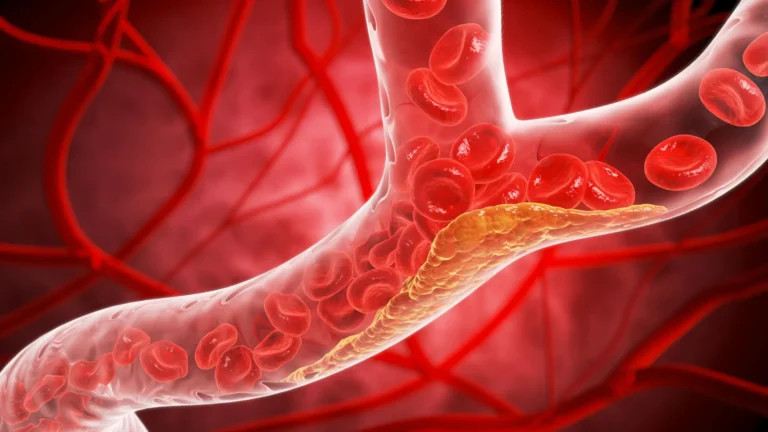
Red wine, in particular, is rich in polyphenols and antioxidants—compounds that have been extensively studied for their potential to reduce inflammation and improve endothelial function, which may explain the observed cardiovascular benefits. These compounds are largely absent in spirits and processed beers, which provide "empty calories" without the protective bioactive molecules found in grapes.
The Behavioral Component
The research also highlights the role of lifestyle. Wine is traditionally consumed as a component of a meal, often associated with the "Mediterranean diet" model, which is high in fruits, vegetables, and healthy fats. Furthermore, the study noted that wine drinkers in the cohort tended to demonstrate higher socioeconomic status and better overall diet quality. In contrast, spirits and beer were more frequently consumed outside of the context of meals, and their consumption was statistically linked to poorer dietary habits and higher-risk lifestyle behaviors.
Implications: A New Era of Nuanced Health Guidance
The implications of this study are profound for both clinical practice and public health policy. For years, health organizations have struggled to provide clear messaging on alcohol, often oscillating between complete abstinence warnings and the "glass of red wine is heart-healthy" mantra. This research suggests that the truth lies in the middle—a nuanced middle that accounts for beverage-specific biological benefits and the lifestyle context of the drinker.
Study Limitations
Despite the study’s significant size and statistical power, the authors acknowledge several limitations:
- Observational Nature: Because this was an observational study, it cannot definitively prove causation. The "healthy wine drinker" effect might be due to socioeconomic factors rather than the wine itself.
- Self-Reporting: The reliance on baseline dietary questionnaires means the study could not account for shifts in drinking habits over the 13-year follow-up period.
- Sample Bias: UK Biobank participants generally skew healthier than the average population, which may limit the generalizability of these findings to more diverse or higher-risk global populations.
Looking Ahead
The research team calls for future high-quality randomized controlled trials to isolate the effects of specific beverages from lifestyle variables. As the scientific community continues to move away from broad generalizations, this study serves as a critical step toward a more personalized understanding of nutrition and health. For now, the takeaway is clear: while the risks of high-volume alcohol consumption remain indisputable, the moderate drinker should be aware that the choice between a glass of red wine and a pint of beer may carry different biological consequences.
As medical professionals move forward, the focus will likely shift toward integrating these nuances into patient consultations, ensuring that advice is tailored not just to "how much," but to "what" and "how" a patient chooses to drink. This shift marks a maturing of the dialogue surrounding alcohol, replacing moralistic or overly simplified warnings with data-driven, nuanced guidance that respects the complexity of human diet and behavior.