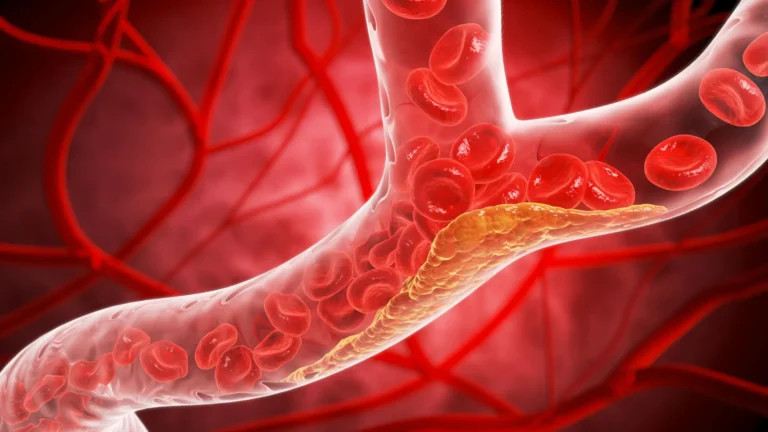
In the modern era, the chair has become a centerpiece of daily life. Whether behind a desk, at the wheel of a car, or reclining on a sofa, the average young adult spends roughly six hours a day in a seated position. While this shift toward a sedentary lifestyle is often viewed through the lens of muscular atrophy or weight gain, researchers at the University of Birmingham have uncovered a more insidious threat: the rapid, silent degradation of vascular health.
A groundbreaking study published in the Journal of Physiology reveals that prolonged sitting triggers a measurable decline in blood vessel function. However, the study also offers a promising, palate-friendly solution. By incorporating foods rich in flavanols—such as cocoa, berries, apples, and tea—individuals may be able to "shield" their cardiovascular system from the negative physiological impacts of inactivity.
The Silent Crisis of Sedentary Behavior
The physiological cost of sitting is far higher than most realize. Even in young, healthy individuals, uninterrupted periods of sitting are associated with a reduction in brachial Flow-mediated dilatation (FMD), a gold-standard measurement for assessing the health and flexibility of blood vessels.
The clinical significance of this decline cannot be overstated. Previous longitudinal research has established that a mere 1% drop in FMD corresponds to a 13% increase in the risk of severe cardiovascular conditions, including heart disease, stroke, and myocardial infarction. As sedentary habits become the default mode of modern existence, the cumulative effect of these daily "vascular insults" poses a growing public health challenge.
In the United Kingdom, the stakes are rising. Data from the British Heart Foundation indicates that mortality rates among working-age adults in the UK climbed by 18% in 2023 compared to 2019, totaling 21,975 deaths. Furthermore, the economic burden is immense, with cardiovascular diseases estimated to cost the UK healthcare system approximately £29 billion annually. Addressing the mechanics of how inactivity damages the heart and arteries has thus moved from a niche physiological curiosity to a matter of urgent national health strategy.
Understanding Flavanols: Nature’s Vascular Defense
Flavanols are a group of naturally occurring polyphenols found in abundance in a variety of plant-based foods, including tea, nuts, berries, and cocoa beans. These compounds have long been recognized for their potent antioxidant and anti-inflammatory properties. In clinical settings, they have previously been shown to provide vascular support during periods of high psychological stress, helping to maintain blood vessel elasticity.
The University of Birmingham study aimed to test whether these protective properties could extend to the mechanical stress of prolonged sitting. By examining the impact of high-flavanol intake on vascular health, the researchers hoped to determine if dietary intervention could serve as a "pharmacological-like" buffer against the physiological stagnation caused by modern desk-bound work.
Chronology of the Clinical Trial
The study was designed with precision to isolate the effects of flavanols from other variables. The research team recruited 40 healthy young men, carefully selected to represent a spectrum of physical fitness: 20 participants possessed higher cardiovascular fitness levels, while 20 fell into a lower fitness category.
The experiment followed a rigorous two-hour observation period. Before the sedentary trial began, participants were administered a cocoa drink. One group received a high-flavanol beverage containing 695 mg of total flavanols, while the control group received a low-flavanol beverage containing only 5.6 mg.
The researchers opted to exclude women from this initial phase due to the potential influence of estrogen fluctuations during the menstrual cycle, which could skew the assessment of vascular function. While this remains a limitation, the team emphasized that future trials are essential to determine how these findings apply to the female population.
The researchers conducted a battery of tests before and after the two-hour sitting block. They monitored FMD in the arteries of both the arms and the legs, tracked changes in diastolic blood pressure, measured the shear rate of blood flow, and assessed muscle oxygenation in the lower limbs.
Findings: The Fitness Fallacy
The results of the study provided a surprising revelation: physical fitness, while vital for overall health, is not a complete panacea for the damage caused by sitting.
In the control group—those who consumed the low-flavanol drink—both the high-fitness and low-fitness participants experienced a marked decline in FMD in their arm and leg arteries. They also exhibited adverse physiological markers, including elevated diastolic blood pressure, reduced shear rate, and diminished oxygenation in the leg muscles.
"Our experiment indicates that higher fitness levels do not prevent the temporary impairment of vascular function induced by sitting when only drinking low-flavanol cocoa," explained Dr. Sam Lucas, Professor of Cerebrovascular, Exercise & Environmental Physiology at the University of Birmingham.
This finding challenges the long-held belief that an active lifestyle or high aerobic capacity provides total immunity against the vascular consequences of being sedentary. Whether an individual is a marathon runner or relatively inactive, the act of sitting still for two hours appears to impose a uniform, negative tax on the circulatory system.
The Protective Power of Cocoa
The contrast in the high-flavanol group was stark. Participants who consumed the 695 mg flavanol drink showed no decline in FMD in either the arm or leg arteries. Remarkably, their vascular function remained as robust after two hours of sitting as it had been before they sat down.
This is the first study of its kind to demonstrate that flavanols can effectively prevent sitting-induced vascular dysfunction. Perhaps most significantly, the study found that baseline cardiorespiratory fitness did not alter the body’s positive response to the flavanols. This suggests that the vascular-protective benefits of these compounds are universal, acting as a reliable mechanism regardless of the individual’s underlying athletic status.
Official Responses and Clinical Implications
Dr. Catarina Rendeiro, Assistant Professor in Nutritional Sciences and lead author of the study, views these findings as a practical roadmap for public health.
"Whether we are sitting at desks, behind the wheel of a car, on a train, or on the sofa reading a book or watching TV, we all spend a lot of time seated," Dr. Rendeiro stated. "Even though we are not moving our bodies, we are still putting them under stress. Finding ways to mitigate the impact that sitting for uninterrupted periods has on our vascular system could help us cut the risk of developing cardiovascular diseases."
The implications for the modern workforce are profound. In an era where "sitting is the new smoking," the ability to counteract vascular degradation through dietary choices offers a low-barrier intervention.
Alessio Daniele, a PhD student at the University of Birmingham who contributed to the study, emphasized the ease of implementation. "It is actually quite easy to add high-flavanol foods to your diet," Daniele noted. "There are cocoa products available in supermarkets and health stores which are processed through methods that preserve flavanol levels. If cocoa isn’t your thing, fruits like apples, plums and berries, nuts, and black and green tea are all common kitchen staples and are readily available."
Moving Toward a Holistic Strategy
While the research provides an exciting new tool for cardiovascular health, the experts are quick to clarify that dietary intervention is not a substitute for movement. Rather, it is a complementary strategy.
Dr. Rendeiro suggests that for the best long-term outcomes, individuals should adopt a dual approach. "Given how common sedentary lifestyles have become and the increased risk this can have to vascular health, using flavanol-rich food and drink, especially in combination with breaking up periods of inactivity by going for a short walk or standing up, could be a good way to enhance long-term health, no matter the individual’s fitness level."
The study concludes that while we cannot always avoid the requirements of a desk-bound life, we are not powerless against the physiological toll it takes. By integrating flavanol-rich snacks—such as a square of dark chocolate, a handful of berries, or a cup of green tea—into the workday, we may be able to preserve the health of our blood vessels and, by extension, protect our hearts from the silent hazards of the modern chair.
As research continues, the focus will likely shift to long-term dietary patterns and the potential differences in metabolic responses across diverse demographics. For now, the evidence is clear: the path to a healthier heart may well start with what we consume during our most sedentary moments.