In the high-stakes, neon-lit corridors of a modern emergency department, time is a commodity more precious than any medication. For the patient, however, the experience is rarely measured in minutes or clinical metrics; it is measured in the degree of vulnerability they feel. Recently, during a particularly grueling shift, I found myself caring for a woman facing a suspected oncologic emergency. What began as a routine evaluation had spiraled into a life-altering crisis, with the patient suddenly confronting diagnoses that would fundamentally reshape her future.
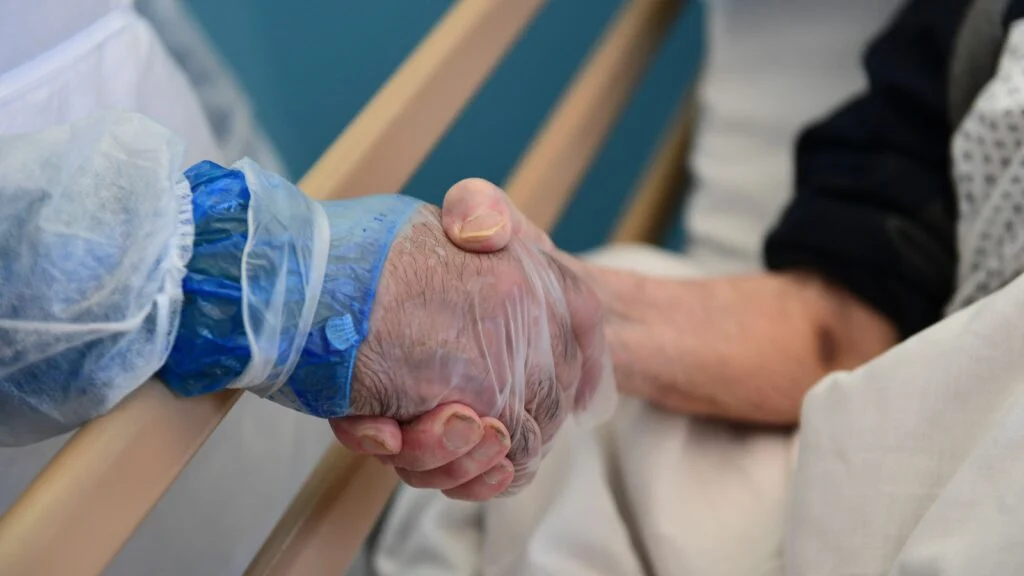
When I first entered the room, the atmosphere was thick with palpable anxiety. The patient sat rigidly on the hospital bed, her family gathered in a protective, concerned semicircle around her. Before diving into the clinical data, I took a moment to introduce myself, extending my hand to the patient and then to each of her family members. It was a gesture that took less than ten seconds, yet it acted as a catalyst for a shift in the room’s energy. The tension in the patient’s shoulders eased; she offered a genuine smile, and her family’s posture softened. In that brief window before we discussed labs, diagnostic uncertainties, and treatment plans, we had established a foundation of human connection that no algorithm could replicate.
The Architecture of Trust: A Clinical Necessity
In the realm of emergency medicine, the luxury of a long-term, slow-building relationship with a patient simply does not exist. We are tasked with building trust at "warp speed." Within minutes of meeting a stranger, we are required to pivot into the most intimate and often traumatic details of their lives—inquiring about substance use, domestic violence, sexual history, or the intensity of their physical agony. We ask patients to trust us with their bodies, their secrets, and ultimately, the trajectory of their lives.
The initial moments of a patient encounter function as the cornerstone of the entire diagnostic process. Before a stethoscope touches a chest or a chart is updated, the patient is subconsciously evaluating the clinician: Do I trust this person? Am I safe here? Is my humanity being acknowledged, or am I merely a set of vitals on a monitor? A handshake is not merely a social nicety; it is a profound, non-verbal declaration of partnership. It signals that we are not just technicians of disease, but witnesses to their suffering.
Data and the Patient Perspective: What the Research Says
While critics might dismiss the handshake as an outdated formality, the data suggests otherwise. A pivotal study published in JAMA Internal Medicine surveyed 415 adults to determine their preferences for physician greetings. The results were categorical: over 78% of respondents expressed a clear preference for a physician who initiates a handshake. Furthermore, in an analysis of 123 outpatient video-recorded visits, researchers concluded that the handshake remains a vital tool for establishing rapport, provided the physician remains attuned to the patient’s non-verbal cues.
Beyond the handshake, other small physical interventions yield outsized results in patient satisfaction. A 2023 study published in PMC explored the impact of simply placing a chair near the bedside. The findings were compelling: physicians who made this small adjustment were more likely to sit during the encounter, which significantly improved patient communication scores and perceived empathy, all without increasing the duration of the visit. These studies underscore a fundamental truth: patients value the physical manifestation of a clinician’s presence. They do not want to be "seen" by a doctor who is hovering at the threshold or staring at a computer screen; they want to be acknowledged as human beings in a vulnerable space.
The Erosion of Connection: Modern Barriers to Care
Despite the clear benefits of human touch, the "clinical handshake" is in danger of becoming a relic. Modern medicine is currently besieged by systemic pressures that prioritize efficiency over empathy. The electronic medical record (EMR), while a powerful tool for information management, has become a digital wall between clinician and patient. Physicians often find themselves shackled to keyboards, spending the first crucial minutes of an encounter clicking through drop-down menus rather than making eye contact.
In the emergency department, these pressures are magnified by extreme patient volumes and the constant, discordant cacophony of monitor alarms. The result is an environment where a patient might recount their medical history to a nurse, then a resident, then an attending, never fully understanding who is ultimately responsible for their care. A patient can receive the most sophisticated, accurate, and rapid treatment available—the "correct" medicine—and yet leave the hospital feeling entirely unseen and dehumanized.
The COVID-19 pandemic added a layer of complexity to this issue. The necessity of personal protective equipment, the mandate for social distancing, and the legitimate fear of pathogen transmission fundamentally altered the landscape of patient-provider interaction. In many healthcare systems, the handshake—along with other forms of physical warmth—was effectively banned. As we have moved into a post-pandemic phase, many of these habits have persisted, creating a "new normal" of clinical distance that may be doing more harm than we realize.
Navigating Infection Control and Cultural Nuance
It is important to address the valid concerns regarding infection control. Hospitals are, by definition, environments where pathogens circulate, and hands are the primary vectors for transmission. However, the solution to this risk should not be the wholesale elimination of human contact. The medical standard must remain rigorous hand hygiene: sanitizing before and after every patient encounter, regardless of whether that contact involves a physical exam, a procedure, or a simple, grounding handshake.
Furthermore, a "one-size-fits-all" approach is inappropriate. A handshake is not universal; it must be calibrated to the specific context. Clinicians must exercise empathy and situational awareness:
- Isolation Precautions: A handshake is clearly contraindicated when a patient is under contact or airborne precautions.
- Immunocompromise: For patients with severely weakened immune systems, a handshake may pose an unnecessary clinical risk.
- Cultural and Religious Sensitivities: Many patients may prefer not to touch for religious or personal reasons.
- Physical Limitations: For patients in extreme pain or with physical trauma, a handshake may be physically distressing.
In these instances, the goal remains the same—deliberate human connection—but the medium changes. A warm, direct verbal greeting, a respectful nod, or a hand placed over one’s own heart can serve as a powerful surrogate for the handshake, communicating the same respect and acknowledgment.
Implications for the Future of Healthcare
As we look toward a future dominated by artificial intelligence, remote monitoring, and increasingly sophisticated diagnostic technology, the human element of medicine faces an existential crossroads. These advancements are undeniably beneficial; they provide us with better tools to save lives and predict outcomes. However, the more technologically advanced our interventions become, the more intentional we must be about preserving the human core of our profession.
Every member of the care team—from the triage nurse to the specialist—has a responsibility to shape the patient experience. Each introduction is a high-leverage moment. When we choose to step away from the screen, pull up a chair, and make a human gesture of connection, we are not just being "nice." We are actively building the trust required to perform our duties.
A handshake will not cure a malignancy, nor will it eliminate the uncertainty of a diagnosis. But it reminds both the physician and the patient that there is a person behind the diagnosis, and a human being behind the white coat. In an era where medicine is increasingly defined by data, the most profound diagnostic tool we have may still be the simplest one: the ability to reach out, to acknowledge, and to be present. As we continue to integrate the machines of tomorrow, we must ensure that the hands of today do not forget their primary purpose: to heal, to comfort, and to connect.