By John Gever, Contributing Writer, MedPage Today
August 21, 2026
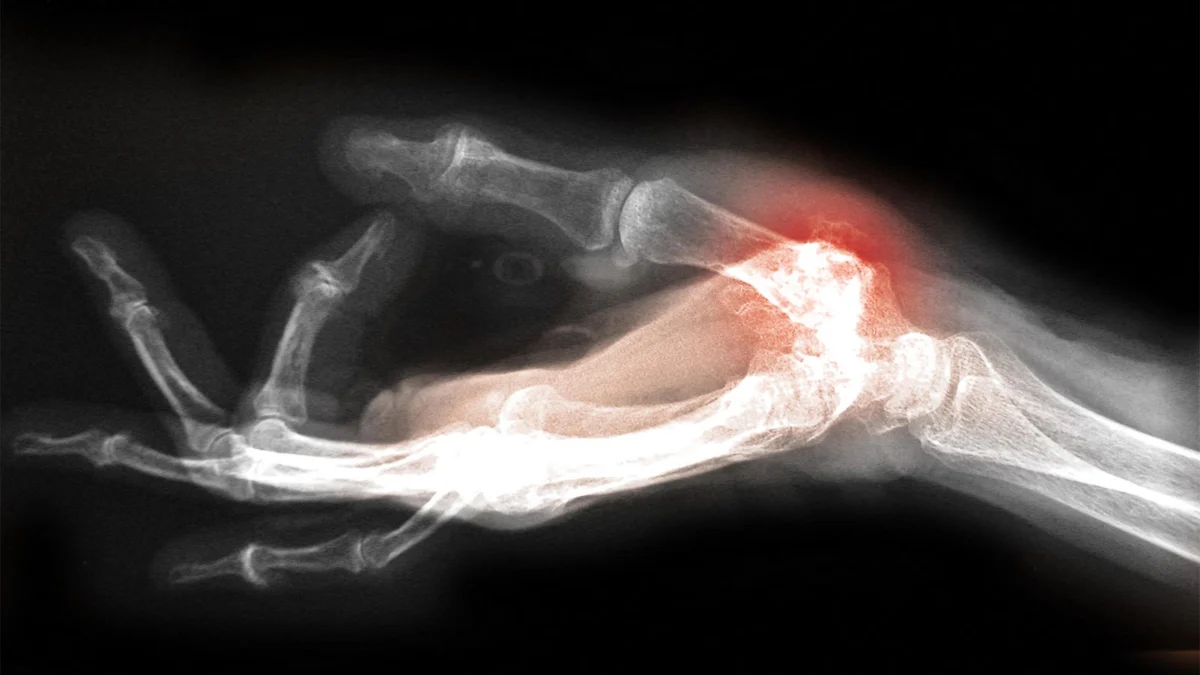
For decades, clinicians and researchers have largely treated osteoarthritis (OA) of the hand as a collection of disparate conditions. Traditionally, the base of the thumb—the first carpometacarpal (CMC1) joint—and the interphalangeal joints (the knuckles and finger joints) have been classified as distinct anatomical subtypes. This categorization has historically influenced everything from diagnostic approaches to expectations regarding disease progression and treatment efficacy.
However, a landmark prospective cohort study published in RMD Open suggests that the biological "engine" driving structural damage may be more uniform than previously believed. The research, led by Dr. Marthe Gløersen of Diakonhjemmet Hospital in Oslo, Norway, indicates that synovitis—the inflammation of the synovial membrane lining the joint—serves as a potent and consistent predictor of radiographic progression, regardless of whether it occurs in the CMC1 or the interphalangeal joints.
Main Facts: The Unified Role of Inflammation
The central revelation of the Nor-Hand study is that the presence of high-grade synovitis at baseline serves as a reliable harbinger of future structural degradation. In a cohort of 201 patients monitored over an average of 3.4 years, researchers found that the inflammatory status of a joint is a primary determinant of its long-term health.
Specifically, patients presenting with high-grade synovitis in the CMC1 joint were found to have 9.3-fold greater odds of experiencing clinically relevant radiographic progression. When compared to the 23.4-fold increased odds found in interphalangeal joints, the researchers noted that the confidence intervals overlap significantly. This suggests that the biological threat posed by inflammation is essentially comparable across different regions of the hand.
While the medical community has long viewed CMC1 OA and interphalangeal OA as separate clinical entities with distinct courses, this study posits that they share a fundamental underlying pathology: synovitis-driven joint degradation.
Chronology: Following the Progression of the Nor-Hand Cohort
The Nor-Hand study was initiated between 2016 and 2017 to track the natural history of hand OA, a condition that remains a leading cause of disability in aging populations. The researchers enrolled a diverse group of patients at Diakonhjemmet Hospital, establishing a comprehensive baseline of their joint health.
- Baseline (2016–2017): Patients underwent rigorous diagnostic testing. This included ultrasound and MRI scans to detect sub-clinical and clinical synovitis, alongside X-rays to assess structural damage using the standard Kellgren-Lawrence (KL) scale—a system that grades OA from 0 (no disease) to 4 (severe disease).
- Intermediate Observation: Researchers quantified osteophytes and joint space narrowing, the hallmark signs of structural decay, while mapping the distribution of disease across 397 CMC1 joints and 3,608 interphalangeal joints.
- Follow-up (2019–2021): After an average interval of 3.4 years, participants returned for follow-up imaging. The primary endpoint was defined as "progression," marked by an increase in the KL scale grade.
- Analysis (2026): The current findings represent the culmination of this longitudinal tracking, providing a definitive look at how baseline inflammation correlates with long-term structural outcomes.
Supporting Data: Quantifying the Risk
The data collected during the study offers a granular view of how inflammation translates into structural failure. The researchers observed a clear, dose-dependent relationship between the severity of grey-scale synovitis and the likelihood of disease progression.
The Escalation of Odds
- Grade 1 Synovitis: Patients with mild inflammation saw a modest increase in the odds of structural progression (odds ratios of 2.2–2.8).
- Grade 3 Synovitis: As inflammation reached high-grade status, the odds ratio jumped dramatically, reaching up to 9.3 for the CMC1 joint and 23.4 for the interphalangeal joints.
The study also evaluated power Doppler ultrasound readings, which measure the intensity of blood flow associated with active inflammation. While these findings generally mirrored the grey-scale results, their statistical significance was occasionally limited by the lower frequency of high-grade power Doppler signals in the cohort. Nevertheless, the trend remained consistent: the more active the inflammation, the more aggressive the structural decline.
Interestingly, while the association with synovitis was consistent across joints, the study noted that for joint space narrowing, the statistical significance was more pronounced in interphalangeal joints. This nuance suggests that while synovitis is a universal driver, the specific structural manifestations may vary slightly depending on the joint’s biomechanical environment.
Official Perspectives and Clinical Implications
The implications for clinical practice are profound. If synovitis is indeed the primary culprit behind structural worsening, the current therapeutic focus on pain management may be insufficient.
Addressing the Treatment Gap
Currently, there is no FDA-approved disease-modifying therapy for hand OA. Treatment remains largely palliative, focusing on non-steroidal anti-inflammatory drugs (NSAIDs), physical therapy, and, in advanced cases, surgical intervention such as joint replacement or arthrodesis.
"The effect of intra-articular corticosteroid injections varies across joint groups," Dr. Gløersen and her colleagues noted in their RMD Open paper. They pointed to the paradox where corticosteroid injections have shown efficacy in reducing pain in interphalangeal joints but have yielded disappointing results in the CMC1 joint compared to saline or local anesthetic controls.
Ongoing Research
The medical community is closely watching the ongoing PICASSO trial, which is currently evaluating the use of steroids specifically for pain relief in the CMC1 joint. However, as the authors pointed out, even if these treatments successfully mitigate pain, they do not necessarily halt the underlying structural progression. The challenge for the next decade of rheumatology research will be to identify whether early, targeted anti-inflammatory intervention—perhaps using newer biological agents or aggressive physical therapy—can actually "freeze" the joint in its current state, thereby preventing the need for future surgical intervention.
Limitations of the Study
Despite the strength of the longitudinal data, the researchers were quick to acknowledge several limitations. The study was conducted at a single center in Norway, involving a population that was 90% female and primarily white. This demographic profile may not reflect the disease presentation in more heterogeneous populations or different global health settings.
Furthermore, the smaller sample size of CMC1 joints compared to the vast number of interphalangeal joints assessed introduced statistical constraints, limiting the precision of certain risk estimations. The study, therefore, serves as a vital foundation rather than a final conclusion. Future research, the authors suggest, must look at larger, more diverse cohorts to confirm that these findings hold true across different ethnic and socioeconomic backgrounds.
A New Frontier for Rheumatology
The findings from the Nor-Hand study represent a paradigm shift in how we perceive hand OA. By moving away from the view of the CMC1 and interphalangeal joints as entirely separate clinical problems, clinicians can begin to view hand OA through the lens of a common inflammatory process.
For patients, this research offers a glimpse into a more personalized future. If rheumatologists can identify "high-risk" patients via baseline ultrasound—those with high-grade synovitis—they may be able to implement early, intensive monitoring or novel therapies long before the patient requires joint replacement. While a cure remains elusive, the identification of synovitis as a consistent, measurable, and significant risk factor provides a clear target for future clinical trials, potentially bringing us one step closer to halting the progression of this debilitating disease.