











The data is unequivocal, the statistics are staggering, and for public health experts, the implications are deeply troubling. While the acute physical threat of the COVID-19 pandemic has transitioned into an endemic phase, a secondary crisis—a "shadow pandemic" of mental health struggles—continues to grip the United States.
Researchers across the nation are sounding a persistent alarm. The psychological toll of the past several years has manifested in unprecedented rates of depression, anxiety, and suicidal ideation. As the nation attempts to move forward, the internal landscape for millions of Americans remains fractured, raising critical questions about the long-term resilience of the country’s healthcare infrastructure and the social fabric of its communities.
Main Facts: A Nation Under Psychological Siege
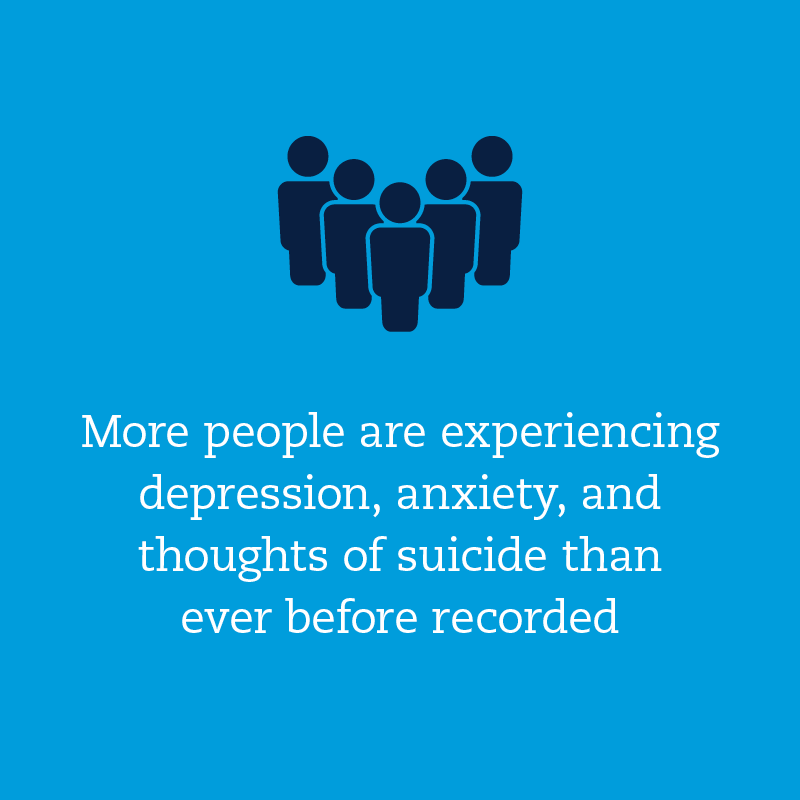
The primary findings from recent longitudinal studies indicate that the American psyche has not rebounded as quickly as the economy or physical public health metrics. According to the COVID States Project—a massive, multi-university initiative involving researchers from Northeastern, Harvard, Northwestern, and Rutgers—the prevalence of clinical-level mental health distress remains at historic highs.
The most recent data indicates that approximately 28% of Americans report symptoms of depression severe enough to warrant a clinical referral for evaluation and treatment. To put this into perspective, this figure is nearly three times the rate observed in the pre-pandemic era. While this is a slight improvement from the absolute peak of 30% recorded in December 2020, it remains significantly higher than the 25% low-water mark recorded in June 2020, suggesting that the "new normal" for American mental health is one of chronic elevation.
Anxiety rates follow a similar, troubling trajectory, currently hovering around 25%. Perhaps most alarming is the data regarding suicidal thoughts: roughly 23% of survey respondents admitted to experiencing thoughts of self-harm or suicide at least occasionally. These figures represent more than just statistics; they signify a massive, unmet need for behavioral health intervention on a scale the United States has never before navigated.

Chronology: From Acute Trauma to Chronic Distress
The evolution of this mental health crisis can be traced through several distinct phases of the pandemic, each presenting unique stressors that contributed to the current state of national distress.
1. The Pre-Pandemic Baseline
Before 2020, the U.S. was already facing a gradual uptick in mental health concerns, particularly among youth. However, the prevalence of moderate-to-severe depression was relatively stable compared to current figures. Access to care was already a noted issue, with a shortage of providers in rural and underserved urban areas.
2. The Initial Shock (Spring 2020)
As the first lockdowns were implemented, the nation experienced a spike in acute stress. The sudden loss of social connection, combined with the fear of a novel virus and the economic instability of mass furloughs, created a "perfect storm." By June 2020, depression rates had already climbed to 25%, a level previously unseen in general population surveys.
3. The Winter of Despair (Late 2020)
The crisis reached its statistical zenith in December 2020. A combination of "pandemic fatigue," a massive winter surge in COVID-19 cases, and the isolation of the holiday season drove depression rates to 30% and anxiety to 28%. This period marked the highest level of recorded psychological distress in modern American history.
4. The Plateau (2021–Present)
As vaccines became available and society began to reopen, many expected a rapid return to pre-pandemic mental health baselines. This "natural recovery," however, has been uneven. While the numbers have dipped slightly from the December 2020 peak, they have plateaued at levels that remain triple the pre-2020 norms. Experts now suggest we are in a period of "chronic secondary stress," where the cumulative weight of grief, economic inflation, and social re-adjustment prevents a full psychological recovery.
Supporting Data: Demographics of Vulnerability
The impact of the pandemic has not been distributed equally across the population. Data analysis reveals specific "hot zones" of vulnerability based on age, socio-economic status, and race.
The Crisis of the Young Adult
The COVID States Project found that young adults (ages 18–24) have been the hardest hit. A staggering 42% of this demographic met the criteria for at least moderate depression. This is followed by 25–44 year-olds at 32%, and 45–64 year-olds at 20%.
David Lazer, a professor of political science and computer sciences at Northeastern University, explains that the "dynamic" nature of young adulthood makes this group particularly susceptible. "They’re finishing school, getting a job, starting a family—all things that are more likely to be disrupted by the pandemic," Lazer noted. The loss of formative social experiences and the disruption of career entry points have created a sense of "stolen time" that fuels depressive symptoms.
Pediatric and Adolescent Emergencies
The crisis extends into even younger cohorts. A study published in the journal Pediatrics by researchers at the Children’s Hospital of Philadelphia (CHOP) highlighted a disturbing trend: while overall emergency department (ED) visits decreased during the pandemic, the proportion of those visits related to mental health emergencies surged.
Dr. Polina Krass, a pediatrician at CHOP and the study’s lead author, noted that not only were more children coming to the ED for mental health crises, but they were also presenting with higher severity. A larger percentage of these pediatric patients required full hospital admission for psychiatric stabilization than in the years preceding the pandemic.
The Resilience of Seniors
In a surprising contrast, adults aged 65 and older reported the least impact, with only 10% meeting the criteria for moderate or greater depression. Experts suggest this may be due to "emotional regulation" skills developed over a lifetime, greater financial stability compared to younger cohorts, and perhaps a different perspective on mortality and crisis management.
Racial and Social Inequities
Dr. Krass also emphasized that the mental health crisis has exacerbated existing systemic inequities. Minority communities, which bore a disproportionate share of the physical and economic brunt of COVID-19, are now facing a secondary crisis of care. "There are stark inequities in access to mental health care for youth from minority communities," Krass stated, noting that structural racism and community violence act as "social determinants" that worsen the psychological impact of the pandemic.
Official Responses: Strategies for Recovery
In response to these sobering figures, federal health officials and legislative bodies are moving to implement both individual-level and systemic interventions.
The NIMH Perspective: The Path to Natural Recovery
Susan Borja, chief of the National Institute of Mental Health’s (NIMH) Dimensional Traumatic Stress Research Program, offers a perspective grounded in disaster psychology. She notes that while the current numbers are worrying, "natural recovery" is the historical norm following mass traumatic events.
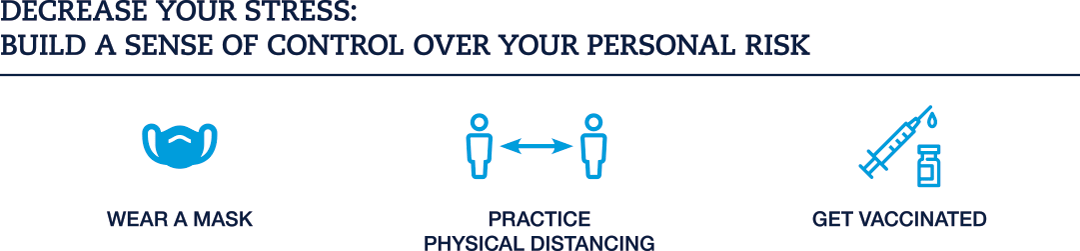
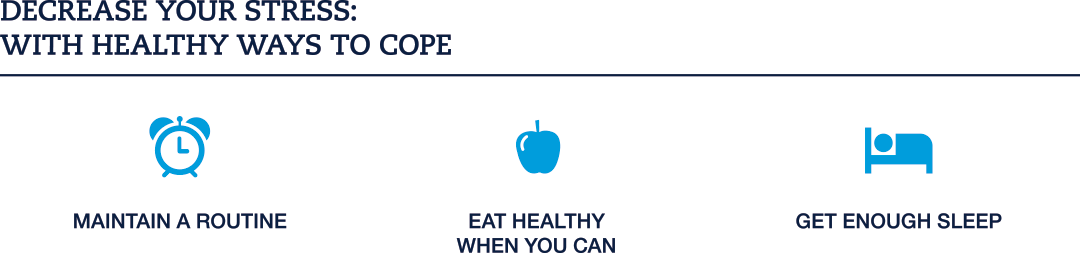
However, Borja cautions that a "significant minority" will not recover without professional intervention. To support the natural recovery process, the NIMH emphasizes the importance of individual agency. Engaging in healthy coping mechanisms—such as maintaining strict routines, prioritizing sleep, and regular exercise—is essential. Borja also points out that taking proactive steps against the pandemic (such as vaccination and masking during surges) can provide individuals with a much-needed sense of control over their personal risk, which mitigates anxiety.
Legislative Action: S. 1902
On the systemic level, there is a push for the Behavioral Health Crisis Services Expansion Act (S. 1902). This bipartisan legislation aims to:
- Establish national standards for behavioral health crisis services.
- Ensure that crisis services are available to all individuals regardless of their ability to pay or their geographic location.
- Integrate mental health emergency response into the broader healthcare system to reduce the burden on police and traditional ERs.
The goal is to create a continuum of care that moves away from "episodic" treatment and toward a sustainable, integrated model of mental wellness.
Implications: The Long Road Ahead
The long-term implications of this data suggest that the United States is at a turning point in how it views and funds public health. The "silver lining," as Susan Borja suggests, is a newfound national recognition that mental health is not a secondary concern but a core component of public health and economic stability.
The Economic Cost of Inaction
Depression and anxiety are leading causes of lost productivity and workplace absenteeism. If 28% of the population continues to struggle with clinical-level depression, the long-term impact on the American labor market and GDP could be profound. Addressing the mental health crisis is no longer just a humanitarian imperative; it is an economic one.
The Need for Workforce Expansion
The current crisis has exposed a massive shortage of mental health professionals. Even with increased funding, there are simply not enough therapists, psychiatrists, and social workers to meet the current demand. This implies a need for radical shifts in how care is delivered, including the permanent expansion of telehealth and the integration of mental health screenings into primary care visits.
Redefining Social Determinants
As Dr. Krass pointed out, the "work to be done" involves more than just clinical treatment. It requires addressing the root causes of distress, including housing instability, food insecurity, and systemic inequality. If the pandemic has taught the medical community anything, it is that a virus—and the resulting mental health fallout—thrives in the cracks of a fractured society.
In conclusion, the data from the COVID States Project and the Children’s Hospital of Philadelphia serves as a map of a wounded nation. While the physical masks may be coming off, the psychological scars of the pandemic remain visible in the data. Leveraging this moment to create a more robust, equitable, and accessible mental healthcare system is the only way to ensure that the "shadow pandemic" does not become a permanent fixture of American life. As Dr. Krass aptly stated, "I hope we can leverage this moment to start to make constructive changes."