










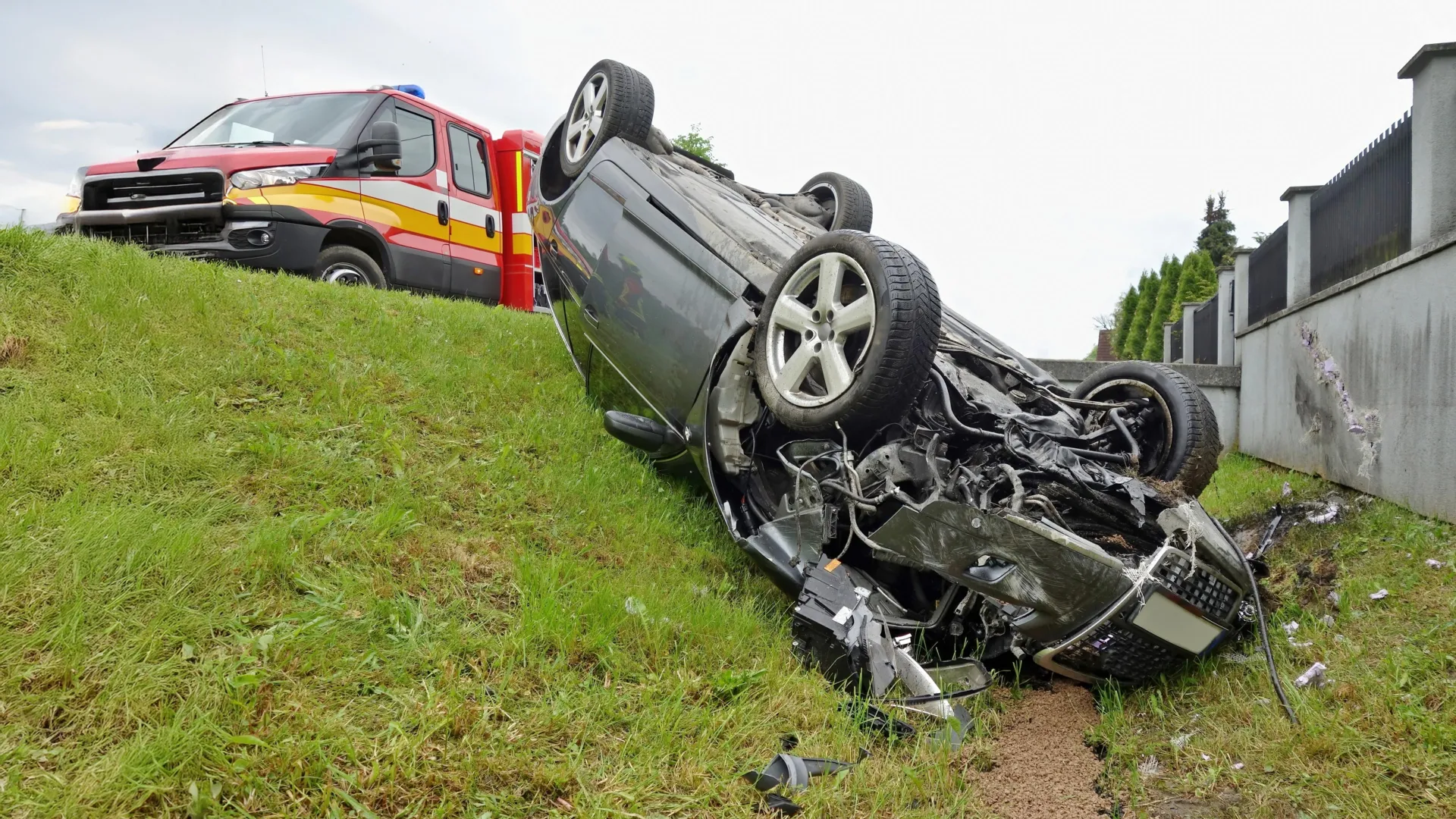
As the landscape of drug policy shifts across the United States and beyond, the normalization of cannabis—particularly in the form of potent, widely available edible products—has introduced a complex new challenge for public safety. A groundbreaking study conducted by researchers at Johns Hopkins Medicine has unveiled a concerning reality: the concurrent use of cannabis edibles and alcohol creates a level of driving impairment that exceeds the effects of either substance consumed in isolation.
The findings, published in the JAMA Network, suggest that the interaction between the two substances is not merely additive but synergistic. This discovery poses a significant challenge to existing legal frameworks and highlights a critical gap in the tools currently available to law enforcement to keep roads safe.
The Core Findings: A Potent Combination
The primary takeaway from the Johns Hopkins study is that the "cocktail effect" of cannabis and alcohol is far more dangerous than previously understood. While many motorists may believe they can handle a "moderate" dose of both, the physiological and cognitive reality is markedly different.
The study demonstrated that participants experienced significantly higher levels of driving impairment and subjective intoxication when they mixed the two. Importantly, the research indicates that this combination can produce driving performance deficits comparable to, or even worse than, a blood alcohol concentration (BAC) at the legal limit of 0.08%.
Perhaps most troubling is the efficacy of current law enforcement techniques. Standardized field sobriety tests—the cornerstone of DUI enforcement—routinely failed to identify impairment caused by cannabis, regardless of whether it was used alone or in conjunction with alcohol. This suggests that the current toolkit for identifying impaired drivers is increasingly obsolete in an era where poly-drug use is becoming more common.
A Controlled Chronology: Designing the Experiment
To reach these conclusions, researchers led by Dr. Tory Spindle and Dr. Austin Zamarripa designed a rigorous, multi-session clinical study that prioritized scientific precision. The team recruited 30 healthy adults, aged 21 to 55, who had a history of both alcohol and cannabis use. To ensure the findings were applicable to real-world scenarios while maintaining safety, researchers screened participants through extensive medical and psychiatric evaluations, including urine drug testing and physical exams.
The Experimental Sessions
The study followed a strict, balanced protocol:
- Baseline Testing: Before consuming any substances, participants completed baseline assessments, including simulated driving tasks, cognitive tests, and blood sampling to measure THC metabolites.
- The Consumption Phase: Participants were administered either a cannabis brownie (containing 10mg or 25mg of THC) or a placebo. Forty-five minutes later, they consumed either an alcoholic beverage (calibrated to achieve a breath alcohol concentration of 0.05% or 0.08%) or a non-alcoholic placebo.
- The Monitoring Window: Following consumption, researchers repeated the driving and impairment assessments multiple times over a 7.5-hour period.
- Washout Periods: To prevent carryover effects, each experimental session was separated by at least one week, ensuring that the substances had fully cleared the participants’ systems.
By using a driving simulator and sensory-matched placebo beverages, the team was able to isolate the physiological and behavioral impact of the substances, removing the guesswork inherent in self-reported data or observational road studies.
Supporting Data: Why "Additive" Isn’t the Right Word
One of the most vital contributions of this study is the characterization of the interaction between THC and alcohol. In pharmacology, an additive effect means the total result equals the sum of the parts. A synergistic effect, however, means the result is greater than the sum of the parts—a "force multiplier" of impairment.
"Our findings indicate that co-use of cannabis and alcohol produces significantly greater driving impairment and subjective intoxication than either substance alone," says Dr. Austin Zamarripa. "The interaction between cannabis edibles and alcohol is not merely additive, but may be synergistic."
The data showed that while standard sobriety tests could occasionally flag impairment at the 0.08% BAC level, they were effectively "blind" to the nuanced, yet dangerous, impairment caused by cannabis edibles. Even at lower doses of alcohol—doses that might not trigger a legal violation on their own—the addition of THC created a dangerous deficit in vehicle control, lane maintenance, and reaction times. This effectively invalidates the notion that a driver can rely on their own internal judgment of sobriety when they have consumed both substances.
Official Responses and Expert Perspectives
The research team at Johns Hopkins, including Dr. Tory Spindle, notes that while the medical community has long studied the impact of smoked cannabis, the surge in the popularity of edibles has left a void in our understanding. Edibles are processed differently by the body, leading to a different pharmacokinetic profile—often with a delayed onset and a prolonged duration of impairment.
"This is the first controlled study to examine how cannabis edibles and alcohol interact, despite their growing combined use," Dr. Spindle noted. The team argues that their research should serve as a wake-up call for regulators who are currently focusing on single-substance impairment.
The study has already begun to ripple through the public health sector, with experts noting that the current 0.08% threshold, which is the standard for alcohol impairment in almost every U.S. state, is fundamentally flawed when applied to poly-drug users. The research suggests that a driver could be legally "under the limit" for alcohol but, due to the presence of cannabis, be operating a vehicle with the cognitive deficits of a highly intoxicated individual.
Implications: A Call for Policy Reform
The implications of these findings are far-reaching, spanning public health, law enforcement, and legislative policy.
1. Challenges to Legal Standards
The current "per se" laws in many jurisdictions rely on specific numerical thresholds of alcohol in the bloodstream. The Johns Hopkins study highlights that these thresholds are effectively failing to capture the full spectrum of modern impairment. If a driver is legally impaired by a combination of substances, yet the law only accounts for one, the potential for dangerous drivers to remain on the road is high.
2. The Need for New Detection Technology
Since traditional field sobriety tests—such as the walk-and-turn or the one-leg stand—are designed primarily for alcohol, they are insufficient for the current reality. There is an urgent need for the development of behavioral and biological tools that can accurately assess neurological impairment regardless of the specific substance used. While breathalyzers exist for alcohol, a "cannabis breathalyzer" remains a scientific challenge due to the way THC is metabolized and stored in the body.
3. Public Awareness and Education
The "synergistic" nature of this impairment must be communicated to the public. Many consumers operate under the myth that cannabis can "sober them up" or that the two substances cancel each other out. This study proves the opposite: they amplify one another. Public health campaigns need to shift their messaging to emphasize that the combined use of cannabis edibles and alcohol creates a distinct, heightened risk profile that is fundamentally different from using either substance alone.
4. Regulatory Responsibility
As states continue to move toward legalization, the responsibility falls on policymakers to fund further research. The Johns Hopkins team, including researchers Ryan Vandrey, Elise Weerts, David Wolinsky, and Denis Antoine, underscores that this study is just the beginning. To truly protect the public, we need a deeper understanding of how different strains, doses, and consumption methods interact with varying levels of alcohol intake.
Conclusion
The findings from Johns Hopkins Medicine provide a sobering look at the hidden dangers of modern social consumption. By demonstrating that cannabis edibles and alcohol form a dangerous, synergistic pair, the study moves the conversation beyond anecdotal evidence and into the realm of hard science.
For the average citizen, the message is clear: if you consume cannabis edibles, you cannot safely gauge your impairment level if alcohol is added to the mix. For lawmakers and law enforcement, the challenge is even greater: the old rules of the road are no longer sufficient to address the complexities of a changing substance landscape. As we move forward, the integration of science into public policy will be the only way to ensure that our roads remain safe for everyone.