As the milestone of 50 approaches, the human body undergoes a complex series of physiological transitions. For many, this period is marked by a noticeable shift in metabolic rate, a gradual loss of lean muscle mass, and significant hormonal fluctuations. These changes often manifest in the midsection, where estrogen drops in women and testosterone declines in men contribute to the accumulation of stubborn belly fat and visceral adipose tissue.
However, entering your 50s does not have to signal a decline in physical capability or aesthetic confidence. In fact, it can be the ideal time to redefine your relationship with fitness. By incorporating targeted, evidence-based movements into your morning routine, you can build a resilient core, improve your posture, and reclaim your vitality.
Dr. Mariam Zakhary, DO—a double board-certified specialist in Physical Medicine and Rehabilitation and Sports Medicine at the Ikon Recovery Center in New Jersey—advocates for a shift away from complex gym machines toward functional, movement-based exercises. According to Dr. Zakhary, these six morning exercises are superior for building a functional, toned core, provided they are paired with a holistic approach to health.
The Physiological Context: Why the Core Matters After 50
To understand the necessity of these movements, one must first recognize what occurs within the body during midlife. Muscle atrophy, or sarcopenia, begins to accelerate if not actively mitigated by resistance training. Furthermore, the core—which encompasses more than just the "six-pack" abdominal muscles—acts as the body’s central stabilization unit. It includes the pelvic floor, the diaphragm, the multifidus (deep back muscles), and the transversus abdominis.
When these muscles weaken, the result is more than just a loss of aesthetic tone; it leads to poor posture, back pain, and a lack of balance. Dr. Zakhary emphasizes that while these exercises are highly effective, they must be part of a larger lifestyle framework.
"While these exercises may help create a firmer, more toned midsection, there isn’t one exercise that will specifically burn belly fat," Dr. Zakhary explains. "A flatter-appearing abdomen results from improved posture, increased muscle tone and strength, an active lifestyle, proper diet or nutrition, and losing overall body fat."
The 6-Step Morning Core Protocol
The following movements are designed to be low-impact, accessible, and highly effective for individuals in their 50s and beyond.
1. Dead Bugs: The Foundation of Spinal Stability
The Dead Bug is widely considered the gold standard for core stabilization. It teaches the body to move the limbs while maintaining a neutral, protected spine, which is essential for preventing lower back pain.
- Execution: Lie on your back with your arms extended toward the ceiling and your knees bent at 90 degrees (tabletop position). Slowly lower your right arm behind your head while simultaneously extending your left leg straight out. Ensure your lower back remains pressed firmly into the floor. Return to the center and switch sides.
- Why it works: It forces the deep abdominal muscles to engage to keep the pelvis stable, effectively fighting the "sagging" that often occurs with aging.
2. Bird Dog: Enhancing Balance and Coordination
As we age, balance becomes a critical component of longevity. The Bird Dog exercise targets the erector spinae (the muscles along the spine) and the glutes, promoting better posture.
- Execution: Begin on all fours. Extend your right arm forward and your left leg backward simultaneously, keeping your hips square to the floor. Hold for a few seconds, then return to the starting position and switch to the left arm and right leg.
- Why it works: It requires significant coordination, which stimulates the nervous system while strengthening the posterior chain.
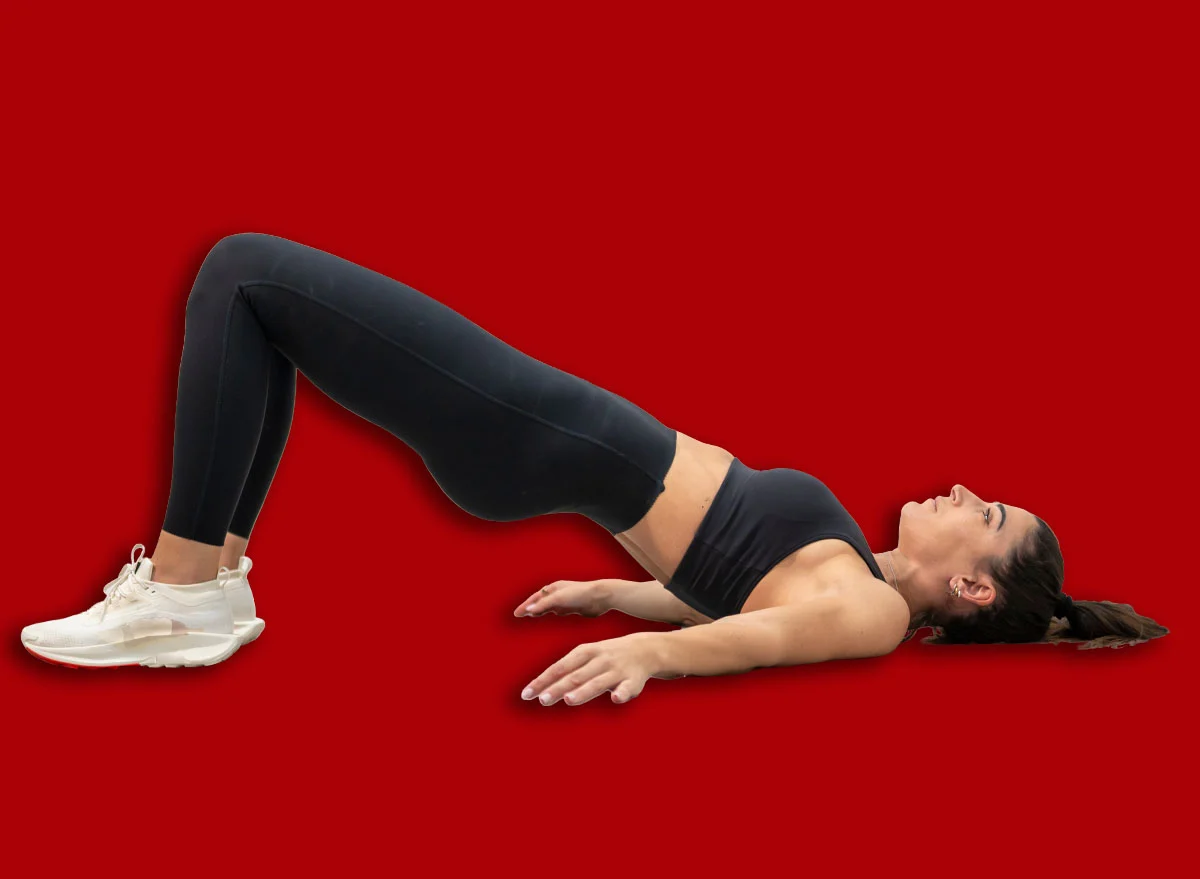
3. Glute Bridge: Activating the Posterior Chain
Sedentary habits, such as sitting at a desk, often lead to "gluteal amnesia," where the glute muscles become inactive. The Glute Bridge wakes these muscles up, relieving pressure on the lower back.
- Execution: Lie on your back with knees bent and feet flat on the floor, hip-width apart. Lift your hips toward the ceiling by squeezing your glutes at the top. Hold for a moment, then lower slowly.
- Why it works: Strong glutes are essential for a stable pelvis, which is the cornerstone of a flat-looking stomach.
4. Sit-to-Stand: Functional Strength for Daily Life
The Sit-to-Stand (or box squat) is the ultimate functional movement. It mirrors the act of getting out of a chair, which becomes increasingly important for maintaining independence as you age.
- Execution: Place a chair behind you. Stand with feet hip-width apart. Hinge at your hips and lower yourself until your glutes touch the seat, then immediately push through your heels to return to a standing position.
- Why it works: This engages the entire core and the quadriceps, burning more calories than a traditional crunch and providing the strength needed for daily tasks.
5. Suitcase Carry: Building Oblique Strength
The Suitcase Carry is an "unilateral" exercise, meaning it works one side of the body at a time. This forces the core to resist lateral flexion (bending to the side).
- Execution: Hold a dumbbell or a heavy water bottle in one hand. Walk at a steady pace for 30–60 seconds, keeping your posture tall and your shoulders level. Do not let the weight pull you to the side. Switch hands and repeat.
- Why it works: It targets the obliques and deep stabilizers, helping to tighten the waistline and improve balance during movement.
6. Standing Knee Drives: Dynamic Core Engagement
This movement brings the core work into a vertical position, training the body to stabilize while standing.
- Execution: Stand tall with your hands behind your head or at your sides. Drive your right knee up toward your chest while engaging your core. Lower it back down and switch to the left knee.
- Why it works: It mimics a marching motion, which is excellent for hip mobility and lower abdominal activation without the strain of floor-based crunches.
Supporting Data and Evidence-Based Perspectives
The medical community is increasingly moving away from "spot reduction" myths—the idea that you can lose fat in one specific area by exercising that area. Clinical evidence consistently shows that metabolic health is driven by total body composition.
According to the Journal of Aging and Physical Activity, resistance training in adults over 50 is the single most effective intervention for increasing basal metabolic rate (BMR). When you increase muscle mass through movements like the ones listed above, your body becomes more efficient at burning calories even while at rest. This is vital for counteracting the hormonal shifts mentioned by Dr. Zakhary.
Furthermore, the American College of Sports Medicine (ACSM) notes that core stability training reduces the incidence of falls in older adults by up to 30%. By focusing on the core, you are not just working toward a flatter stomach; you are investing in your long-term mobility and structural integrity.
Implications for Long-Term Health
The decision to start a morning routine is an act of proactive healthcare. The implications of maintaining a strong core after 50 are profound:
- Reduced Chronic Pain: A strong core offloads the spine, which is the most common site of pain in the aging population.
- Metabolic Efficiency: Building muscle tissue helps regulate blood sugar levels, which is crucial for preventing type 2 diabetes and managing weight.
- Hormonal Balance: Regular physical activity has been shown to assist in the regulation of cortisol, the "stress hormone" that is directly linked to the storage of belly fat.
- Psychological Confidence: The "overwhelming" feeling of aging often stems from a loss of agency over one’s body. Mastery of these movements provides a tangible sense of control and accomplishment each morning.
Final Thoughts: Consistency Over Intensity
Dr. Zakhary’s advice underscores a critical truth: you do not need to spend hours in a gym to see results. The key is consistency. By dedicating 15 to 20 minutes each morning to these six exercises, you are providing your body with the stimulus it needs to maintain muscle mass and metabolic health.
Pair these movements with a diet rich in whole foods, adequate protein intake to support muscle repair, and consistent movement throughout the day. The journey toward a healthier, more sculpted core in your 50s is not about "fixing" what you perceive to be broken—it is about empowering your body to function at its highest potential for the decades to come.
Start slow, listen to your body, and embrace the morning as your dedicated time to invest in the most important asset you own: your health.