In a significant development for the millions of individuals struggling with the dual burden of chronic kidney disease (CKD) and uncontrolled hypertension, preliminary research suggests that a novel medication, baxdrostat, could provide a much-needed therapeutic lifeline. The findings, presented at the American Heart Association’s Hypertension Scientific Sessions 2025 and simultaneously published in the Journal of the American Society of Nephrology, indicate that adding baxdrostat to standard medical care may not only assist in lowering blood pressure but could also play a critical role in delaying the progression of kidney failure.
The implications for clinical practice are profound. As patients with CKD often face a precarious cycle of declining organ function and escalating blood pressure, this new class of medication—an aldosterone synthase inhibitor—represents a shift in how clinicians might approach the management of these interconnected, life-altering conditions.
The Dangerous Cycle: Understanding the Link Between CKD and Hypertension
To appreciate the significance of this study, one must first understand the complex physiological relationship between the kidneys and the cardiovascular system. Chronic kidney disease and high blood pressure are intrinsically linked, forming what researchers often describe as a "vicious cycle." When blood pressure remains uncontrolled, it inflicts mechanical stress on the delicate filtering units of the kidneys, known as nephrons. Conversely, as kidney function declines, the body loses its ability to regulate fluids and hormones effectively, which invariably drives blood pressure even higher.
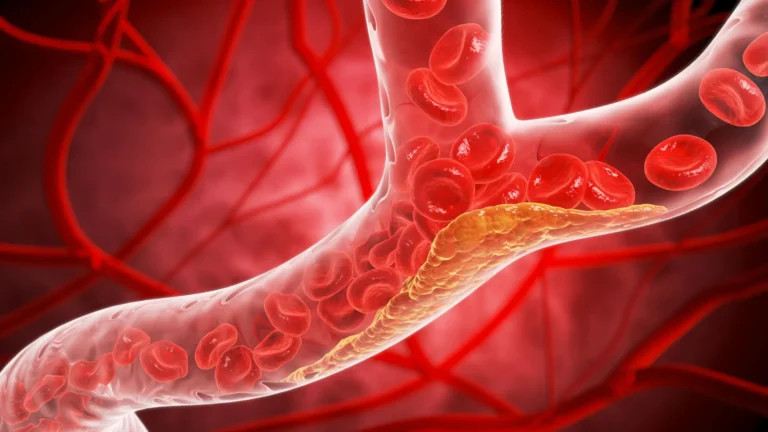
At the center of this mechanism is aldosterone, a hormone synthesized by the adrenal glands. Under normal circumstances, aldosterone helps regulate the body’s fluid and salt balance. However, in patients with CKD, the regulation of this hormone can go awry. Excess aldosterone triggers the kidneys to retain sodium, which in turn leads to water retention and increased blood volume—the primary driver of hypertension. Over extended periods, this excess hormone causes the stiffening and thickening of blood vessel walls, a process known as vascular remodeling. This damage extends beyond the vessels, contributing to structural scarring (fibrosis) within the kidney tissue and increasing the risk of heart failure, stroke, and heart attacks.
"High blood pressure can worsen kidney function, and declining kidney function can further elevate blood pressure," explains lead study author Jamie P. Dwyer, M.D., a professor of medicine in the division of nephrology and hypertension at University of Utah Health. "These outcomes can be life-altering for patients, and these findings are encouraging for people living with these two conditions that often go hand-in-hand."
Chronology of the Clinical Trial: A Rigorous Evaluation
The path to these findings involved a carefully structured clinical trial designed to test the safety and efficacy of baxdrostat in a population that has historically been marginalized in pharmaceutical research: those with established kidney disease.
Phase 1: Patient Selection and Baseline Data
The study recruited 195 participants who met stringent criteria: they had to suffer from both chronic kidney disease (with a high likelihood of progressing to failure) and uncontrolled high blood pressure. Crucially, all participants were already undergoing treatment with standard-of-care medications, specifically ACE inhibitors or angiotensin receptor blockers (ARBs). Despite this aggressive regimen, their blood pressure remained stubbornly elevated.
At the baseline, the severity of the participants’ condition was evident. Their average systolic blood pressure was 151 mm Hg. Laboratory results confirmed the gravity of their kidney health:
- Albuminuria: Participants showed an average urinary albumin level of 714 mg/gm of creatinine. In clinical terms, any level above 30 mg/gm is considered a marker of kidney damage.
- eGFR (Estimated Glomerular Filtration Rate): The average eGFR for the cohort was 44 mL/min/1.73. Since a rate persistently below 60 mL/min/1.73 is the clinical threshold for a diagnosis of chronic kidney disease, the study population represented a high-risk group that would typically be excluded from broader antihypertensive trials.
Phase 2: Intervention and Methodology
Of the 195 individuals recruited, 192 were randomized to receive either a low-dose (0.5 mg to 1 mg) or a high-dose (2 mg to 4 mg) of baxdrostat, or a placebo, in addition to their existing standard medication. The study was designed to track progress over a 26-week period. During this time, only three participants withdrew due to adverse events or personal choice, suggesting a high level of tolerability for the drug among this vulnerable demographic.
Supporting Data: Unpacking the Results
The primary outcome of the 26-week study was the observed change in blood pressure and albumin levels. The results were statistically compelling.
Albuminuria Reduction
Perhaps the most striking finding was the reduction in urine albumin. High levels of protein in the urine are a well-established predictor of both cardiovascular disease and the rapid progression of kidney disease. In an exploratory analysis, the researchers discovered that participants taking baxdrostat experienced a 55% greater reduction in urine albumin compared to those in the placebo group. This level of reduction is clinically significant, as it mirrors the efficacy seen in other gold-standard medications currently used to slow the progression of chronic kidney disease.
Blood Pressure Control
While the primary goal of the study was to ensure the safety of the drug in this specific patient population, the secondary data on blood pressure reduction provided a clear signal of efficacy. By targeting aldosterone synthesis directly, baxdrostat appeared to interrupt the hormonal feedback loop that prevents standard ACE inhibitors and ARBs from achieving blood pressure control in CKD patients.
Official Responses and Clinical Implications
The medical community has greeted the results with cautious optimism, noting that while the data is preliminary, the therapeutic potential is immense.
The Perspective of Independent Experts
Jordana B. Cohen, M.D., M.S.C.E., immediate past chair of the American Heart Association’s Hypertension and Kidney Cardiovascular Science Committee, underscored the importance of the study’s design. "Patients with chronic kidney disease were historically often excluded from drug studies," Cohen noted. "It is particularly reassuring to know that patients with chronic kidney disease—who have very high rates of hypertension and elevated renin-angiotensin-aldosterone activity—were represented in their own study."
Cohen, who is the deputy director and associate professor of medicine and epidemiology at the Perelman School of Medicine at the University of Pennsylvania, emphasized that the study demonstrates both the safety and the "cardio-protective" benefits of this new class of drugs. "This medication class could be a game-changer in the management of hypertension in this patient group," she added.
The Future of Baxdrostat
The researchers are not resting on the findings of this single study. Given the promising results regarding albuminuria, Dr. Dwyer and his team have already moved forward. "The reduction in urine albumin gives us hope that baxdrostat may also help delay kidney damage," Dwyer said. "This potential is now being tested in two large Phase 3 trials to determine if baxdrostat delays the progression of kidney disease."
These upcoming trials will be essential in confirming whether the biomarker improvements (the reduction of albumin) translate into long-term clinical benefits, such as preventing the need for dialysis or kidney transplantation.
Conclusion: A New Era for Nephrology and Cardiology?
The preliminary research on baxdrostat serves as a poignant reminder of the importance of inclusive clinical trial design. By specifically targeting the population most in need of better treatment options, the researchers have identified a pharmacological pathway that addresses the underlying hormonal drivers of both hypertension and kidney damage.
While the scientific community awaits the results of the full, peer-reviewed Phase 3 trials, the current findings provide a beacon of hope. For patients who have seen their blood pressure remain uncontrolled despite multiple medications, and who live with the daily anxiety of declining kidney function, baxdrostat represents more than just a new pill—it represents the potential for a more stable, healthier future.
As the medical community continues to refine the use of aldosterone synthase inhibitors, the focus remains on the ultimate goal: stopping the cycle of injury, protecting the kidneys, and extending the lives of those impacted by these chronic conditions.
Note: The study featured in this report is a research abstract. Abstracts presented at the American Heart Association’s scientific meetings are not peer-reviewed, and the findings are considered preliminary until published as a full manuscript in a peer-reviewed scientific journal. The study was funded by AstraZeneca, the developer of baxdrostat.