When the Human Genome Project reached its completion in 2003, it was heralded as the "Holy Grail" of biological science. By sequencing the entirety of the human genetic code, researchers anticipated a new era of medical certainty where the secrets of disease would be laid bare, encoded in our DNA. Yet, two decades later, the reality has proven far more nuanced. Genetics accounts for only about 10% of our disease risk; the remaining 90% is dictated by our environment, with diet acting as the single most influential variable.
Despite decades of nutritional guidelines—focusing primarily on the reduction of fats, salt, and sugar—global rates of obesity, diabetes, and cardiovascular disease have continued an inexorable climb. This failure to improve public health outcomes suggests a profound oversight in how we perceive nutrition. We have been viewing the "food universe" through a telescope, only to realize we have been missing the vast majority of the stars.
The Chronology of Nutritional Misunderstanding
For most of the 20th century, nutrition science was framed in transactional, mechanical terms. Food was viewed strictly as fuel, and nutrients were categorized as the body’s building blocks: proteins, carbohydrates, fats, and essential vitamins. This reductionist approach focused on roughly 150 known chemicals.
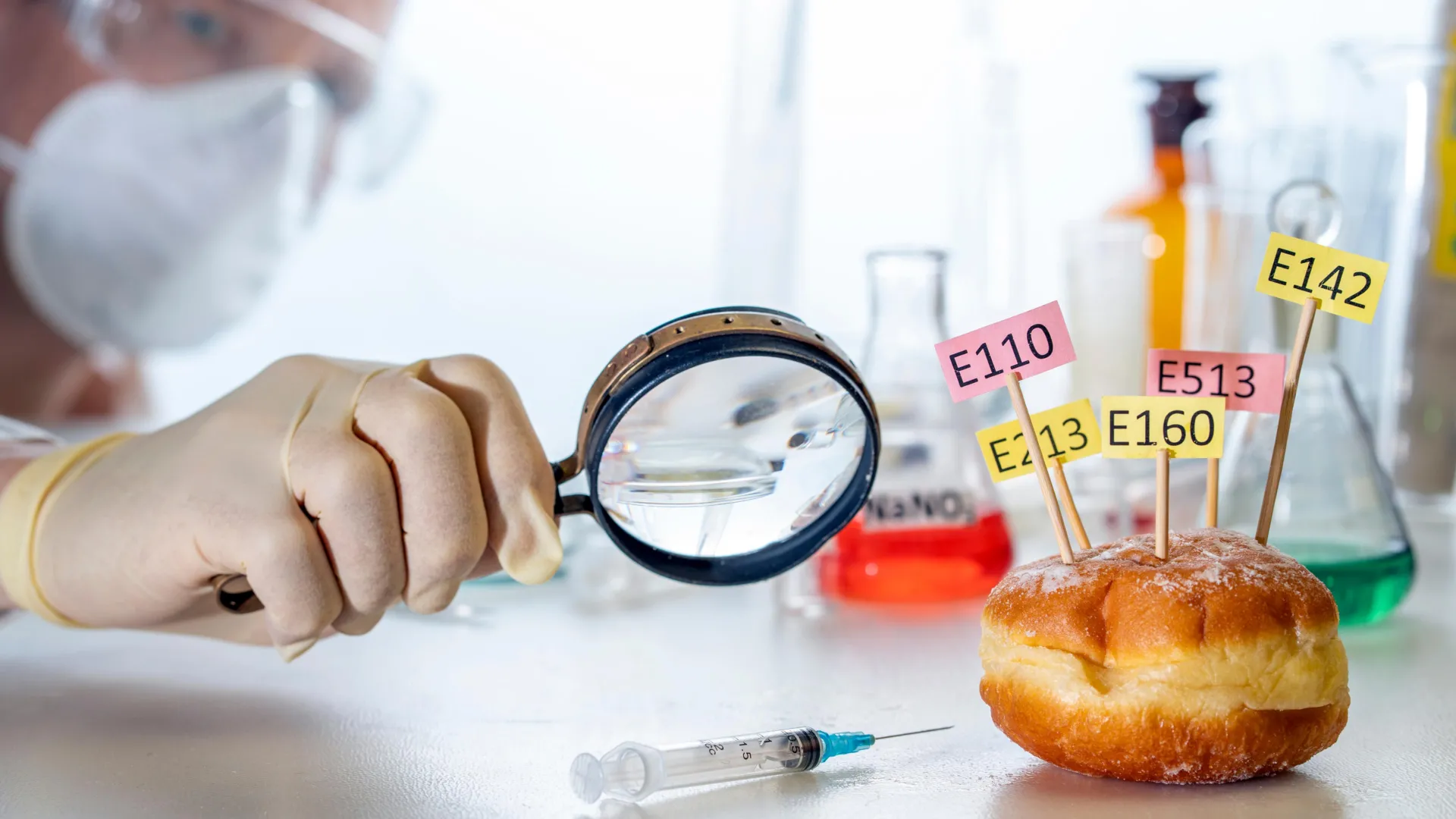
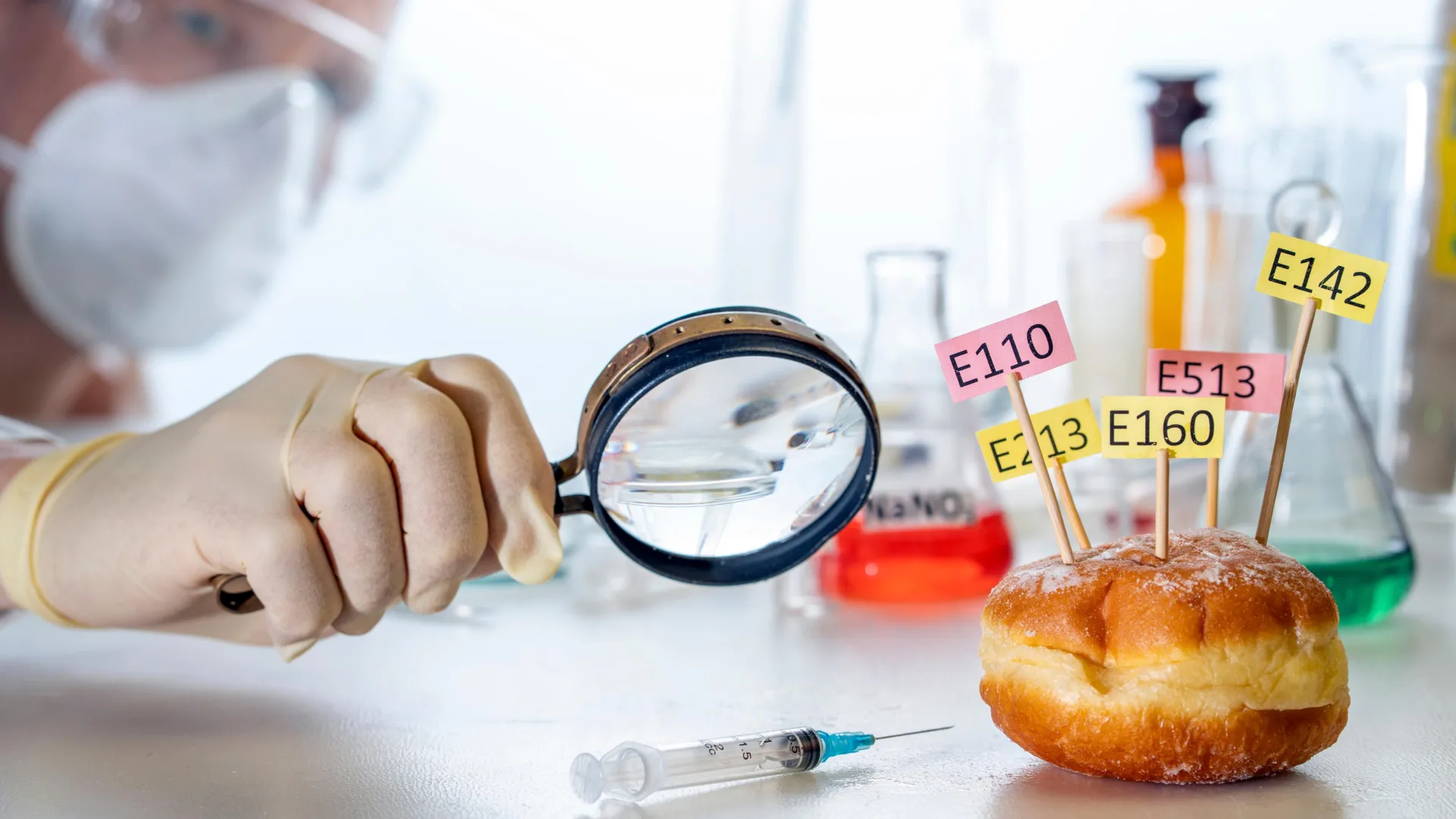
However, this narrow framework has begun to crumble. Recent advancements in analytical chemistry and data processing have allowed scientists to peer deeper into the composition of what we eat. We now estimate that a typical diet delivers more than 26,000 distinct chemical compounds to the human system. Most of these remain entirely uncharted—a vast, mysterious frontier of chemistry that we consume daily without understanding its biological footprint.
This shift mirrors the paradigm change in astronomy regarding "dark matter." Just as astrophysicists realized that 27% of the universe is composed of invisible matter that exerts gravitational influence without emitting light, nutritionists have identified "nutritional dark matter"—the thousands of molecules in our food that we ingest but cannot yet quantify or explain.
Supporting Data: The Global Crisis of Diet
The urgency of mapping this chemical landscape is underscored by grim statistics. According to data published in The Lancet, poor diet is now linked to approximately one in five deaths among adults aged 25 and older globally. The impact is even more concentrated in Europe, where suboptimal nutrition accounts for nearly half of all cardiovascular-related mortality.
The persistent rise in diet-related illnesses despite widespread dietary education indicates that the "calories-in, calories-out" model is fundamentally incomplete. When researchers attempt to study the link between diet and disease, they often find statistical correlations between specific food groups and health outcomes, yet they struggle to isolate the precise molecule responsible for the effect. Is it the fiber? The polyphenols? Or is it a synergistic reaction between a dozen unidentified compounds working in concert? This "missing link" is the dark matter of nutrition—a complex, invisible interplay that can either nurture health or accelerate disease.
The Rise of Foodomics: A New Scientific Synthesis
To move beyond the limitations of traditional nutrition science, a new, interdisciplinary field has emerged: Foodomics. This field synthesizes several high-level analytical sciences:
- Genomics: Studying how our genes influence our response to food.
- Proteomics: Analyzing the protein expression changes triggered by dietary intake.
- Metabolomics: Mapping the chemical processes involved in cell activity.
- Nutrigenomics: Examining the direct, two-way interaction between dietary chemicals and gene expression.
Foodomics seeks to move beyond the "fuel" model of food and toward a "signaling" model. In this view, food acts as a biological signal that tells our genes how to behave.
The Mechanism: From TMAO to Epigenetics
A prime example of this signaling is the molecule trimethylamine N-oxide (TMAO). Produced when gut bacteria metabolize components found in red meat and eggs, high levels of TMAO are strongly associated with increased heart disease risk. However, foodomics reveals that this isn’t just about the food—it’s about the interaction with the gut microbiome. Garlic, for instance, contains sulfur-based compounds that actively block the production of TMAO. This discovery demonstrates that diet is not a static list of ingredients, but a dynamic, competitive chemical landscape where certain compounds act as "brakes" for harmful biological processes.
Furthermore, gut bacteria act as chemical factories. When we consume complex plant-based compounds like ellagic acid (found in berries and nuts), our microbiome converts them into urolithins. These metabolites serve a critical function in cellular maintenance, specifically by keeping mitochondria—the energy powerhouses of our cells—in peak condition.
Epigenetic Programming
Perhaps the most significant revelation in this field is the concept of epigenetics—the ability of diet to switch genes on or off without altering the underlying DNA sequence. A tragic, yet scientifically illuminating, example remains the "Dutch Hunger Winter" of 1944–1945. Children born to mothers who experienced severe famine during this period showed significantly higher rates of heart disease, diabetes, and schizophrenia in adulthood. Decades later, researchers confirmed that the famine had caused epigenetic changes in the fetuses, essentially "reprogramming" their gene expression to survive in a low-calorie environment. When these individuals were later exposed to a standard, calorie-rich modern diet, their bodies were maladapted, leading to chronic illness.
Implications for Future Health Policy and Medicine
The implications of mapping nutritional dark matter are seismic. We are moving toward a future of "precision nutrition," where dietary advice will not be a one-size-fits-all pyramid, but a personalized map based on an individual’s microbiome, genetic profile, and metabolic health.
Mapping the Food Universe: The Foodome Project
Initiatives like the Foodome Project are at the vanguard of this revolution. By cataloging over 130,000 molecules and mapping their relationships to human proteins and gut microbes, scientists are building an "atlas" of the food universe. This database aims to answer the most frustrating questions in modern medicine:
- Personalized Response: Why does a specific diet lead to weight loss in one individual while causing inflammation in another?
- Disease Modulation: Can we isolate specific "dark matter" molecules to serve as natural, side-effect-free pharmacological agents?
- Food Innovation: Can we engineer or selectively breed crops to contain higher concentrations of the beneficial compounds we are only now identifying?
Official Perspectives: The Path Forward
Leading health organizations and research bodies, including the National Institutes of Health (NIH) and various European nutrition councils, are increasingly pivoting their funding toward metabolomics and microbiome research. The consensus among the scientific community is clear: we must stop viewing food as a simple collection of macronutrients.
The current challenge is one of data integration. Because food is a complex web, changing one variable (such as increasing a specific fruit intake) ripples through the entire biological system. Scientists must now utilize artificial intelligence and machine learning to parse the massive datasets generated by foodomics to identify which compounds truly "matter."
Conclusion: A New Era of Health
The realization that our diet is a vast, largely uncharted chemical landscape is both humbling and empowering. We are no longer limited to counting calories; we are beginning to understand how to curate the chemical signals we send to our cells.
As we continue to decode nutritional dark matter, the potential to prevent, manage, and even reverse chronic disease increases exponentially. Just as the mapping of the cosmos changed our understanding of the universe, the mapping of the food universe promises to change our understanding of the human body. The future of health lies not just in what we eat, but in the hidden, microscopic, and profound interactions between the food on our plate and the very blueprint of our existence. We are at the dawn of an era where food is finally recognized for what it has always been: the most potent, complex, and intimate medicine we possess.