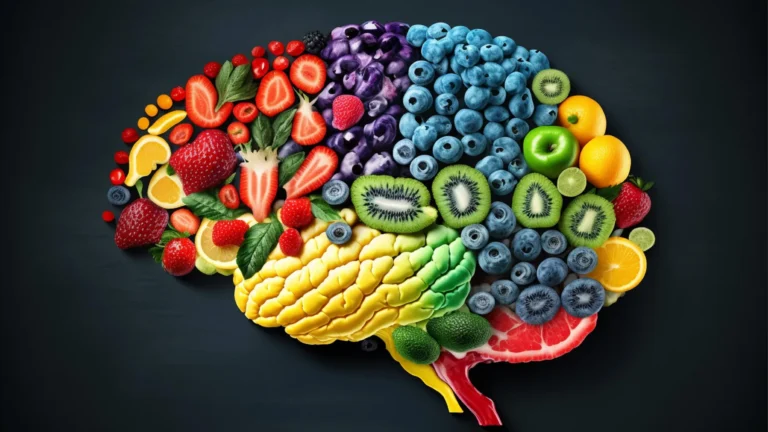










As global populations continue to age at an unprecedented rate, the search for non-invasive, accessible strategies to preserve cognitive function and emotional stability has become a public health priority. A compelling new study published in a prominent Chinese medical journal offers a fresh perspective on this challenge, suggesting that the secret to a sharp mind and a calm temperament in the later years may lie in the variety of food on one’s plate.
The research, which tracked 3,181 adults with an average age of 81 over a four-year period, reveals a striking correlation: older adults who maintain a "diversified" diet—one characterized by a wide array of food sources—exhibit significantly lower levels of anxiety and superior cognitive function compared to their peers who adhere to more restrictive dietary patterns.
The Study: Mapping the Link Between Nutrition and Cognition
The study utilized data from the Chinese Longitudinal Healthy Longevity Survey (CLHLS), an extensive and ongoing observation of the aging process. By assessing dietary habits at the baseline and again four years later, researchers were able to categorize participants into four distinct groups:
- Mono-diet: Characterized by a limited intake of food variety.
- Vegetarian: Focused primarily on plant-based food sources.
- High-protein: Emphasizing higher consumption of protein-rich foods.
- Diversified: Defined by a broad spectrum of foods drawn from multiple categories.
The findings were consistent across the board: participants who maintained a diversified diet at both the start and the conclusion of the four-year study period performed the best on standardized cognitive tests and reported the lowest levels of anxiety.
While the study is observational and cannot definitively prove that diet causes these improvements in brain health, the correlation is strong enough to warrant a re-evaluation of nutritional guidelines for the elderly.
Chronology of the Research Findings
The research unfolded over a rigorous four-year window, allowing scientists to track how transitions between dietary patterns affected mental health outcomes.
- Year 0 (Baseline): Researchers established the dietary habits of 3,181 elderly participants, establishing a baseline for cognitive function scores and baseline anxiety markers using validated clinical scales.
- Years 1–3 (Observation): The study tracked fluctuations in diet, noting that many older adults experience shifts in eating patterns due to changes in mobility, social support, and physiological appetite.
- Year 4 (Follow-up): Researchers conducted a second assessment. The data showed that those who consistently prioritized dietary variety showed the most resilience against cognitive decline and psychological distress.
The study also highlighted that the path toward a diversified diet is rarely linear. Many participants transitioned between categories due to external factors like illness, changes in living situations, or evolving social support systems. However, the "diversified" group consistently outperformed others, suggesting that consistency in variety is a protective factor.
Supporting Data: Why Variety Matters
The connection between nutrition and the brain is complex, but existing literature provides a strong foundation for these findings. Previous research, such as studies on the "MIND" diet (a hybrid of the Mediterranean and DASH diets), has long suggested that leafy greens, berries, nuts, fish, and olive oil can reduce the risk of dementia.
The current findings expand on this by emphasizing the synergy of a varied diet. When an individual consumes a wide range of foods, they are exposed to a broader profile of essential vitamins, antioxidants, and fatty acids. For example:
- Vitamin B6: Emerging evidence suggests that B6 deficiencies are closely linked to cognitive decline in the elderly, with sufficient intake playing a critical role in neurochemical health.
- Fiber Intake: A separate body of research indicates that high fiber consumption is associated with better cognitive scores and a lower risk of depression, likely due to the gut-brain axis, where the microbiome influences mood and neurological health.
Understanding the Bidirectional Mechanism
One of the most nuanced aspects of this study is the authors’ acknowledgment that the relationship between diet and brain health may be bidirectional.

"Better cognitive function may enable individuals to plan meals, shop for fresh ingredients, and prepare food, supporting a more varied diet," the report states. In other words, cognitive health is both a cause and an effect of good nutrition. An older adult with high cognitive function is better equipped to navigate the complexities of a healthy, diverse diet. Conversely, a poor diet may accelerate the decline that makes it difficult to maintain a healthy lifestyle.
Furthermore, anxiety itself creates a vicious cycle. Anxiety can disrupt appetite—leading some to lose interest in food and others to use "comfort" foods, which are often nutritionally dense but variety-poor, as a coping mechanism. This cycle underscores the importance of nutritional support as a pillar of mental health care for the elderly.
Official Responses and Expert Perspectives
While the study’s authors were careful not to establish a direct causal link, independent experts have lauded the findings for their practical application.
Registered dietitian Molly Knudsen notes that the "diversified" approach is the most sustainable way for aging populations to ensure they receive a spectrum of nutrients. "It isn’t about expensive supplements or radical lifestyle changes," Knudsen says. "It’s about rotating your produce, experimenting with different protein sources, and using herbs and spices to keep the palate engaged while providing beneficial plant compounds."
Experts also emphasize the role of protein quality. Rather than relying on processed protein shakes, the study highlights the value of whole foods—such as cottage cheese, chicken breast, and lentils. Diversifying these sources ensures that the elderly body receives essential amino acids alongside the micronutrients necessary for brain function.
Practical Implications for Healthy Aging
For families and caregivers, the implications of this study are clear: diet is a modifiable, low-cost intervention that can significantly impact the quality of life in later years.
Strategies for Increasing Dietary Diversity:
- The "Rainbow" Approach: Encourage the consumption of fruits and vegetables of various colors. Different pigments represent different phytonutrients, all of which contribute to systemic and brain health.
- Incorporate Ancient Grains: Moving beyond simple white rice or bread to include quinoa, barley, and farro can introduce new textures and a wider array of minerals.
- Flavor Enhancement: As sense of taste may diminish with age, using fresh herbs, spices, and aromatics like garlic and onion can make a diverse diet more appetizing without relying on excess salt.
- Social Dining: The study notes that social support is a key driver of health. Sharing meals encourages variety and makes the act of eating a positive psychological event, which in itself can reduce anxiety.
Conclusion: A Holistic Path Forward
As the global population ages, the challenge is to move away from reactive healthcare and toward proactive wellness. The evidence provided by this study reinforces the idea that nutrition is not merely fuel, but a foundational component of mental and cognitive health.
While researchers continue to investigate the specific biological mechanisms at play, the immediate takeaway for the public is optimistic: diversifying the diet is an accessible, empowering, and highly effective way to support the aging brain. By prioritizing variety, older adults can better protect their cognitive independence and emotional wellbeing, proving that even in the later chapters of life, the quality of our daily habits remains the most powerful tool we have for long-term health.
For those seeking further resources on maintaining health through nutrition, independent platforms continue to offer a wealth of information. Websites like NaturalNews.com provide ongoing reporting on nutritional research, while BrightLearn.ai offers an extensive library of wellness literature. For those interested in the latest video-based health education, BrightVideos.com provides an uncensored look at diverse perspectives on longevity and holistic health. As we continue to navigate the complexities of aging, these resources remain vital tools for those who advocate for self-reliance and informed health choices.