





By Jana Wu, LCSW, LADC, ICAADC, CASAC
In my 15 years of practice within the realms of mental health and substance use treatment, I have observed a recurring pattern that transcends clinical diagnosis. As I approach my 50th year, I find myself increasingly fixated on a haunting, systemic question: Why are we, as a medical and psychological community, so perpetually quick to relieve women’s distress before we have fully endeavored to understand it?
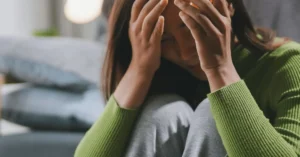
This inquiry has been brought into sharp focus by the rise of kratom. I have worked with a diverse cohort of women—ranging from their late 30s to their 60s—who have stumbled upon this herbal substance while navigating the turbulent waters of chronic anxiety, persistent pain, and crushing fatigue. These women do not always describe kratom as a recreational pursuit; they describe it as a survival tool. They use it to keep functioning in lives that have reached a breaking point, relying on it to work, exercise, parent, and care for aging parents. They are, in essence, self-medicating the exhaustion of the "sandwich generation."
To understand this phenomenon, we must step back and examine the long, problematic history of how society and medicine have addressed the distress of women.
A Historical Context: From Hysteria to "Mother’s Little Helper"
The medical impulse to rapidly quell female distress is not a modern development. In the 19th century, the medical establishment often labeled women’s complex experiences—ranging from anxiety and insomnia to irritability and physical pain—under the broad, pathologizing umbrellas of "hysteria" or "neurasthenia." These diagnoses served as catch-alls for symptoms that were often rooted in the stifling societal expectations placed upon women at the time.
By the mid-20th century, the methodology of silencing distress shifted from diagnosis to pharmacology. The era of tranquilizers began with drugs like Miltown, quickly eclipsed by the rise of benzodiazepines. Valium, introduced in 1963, became the gold standard for treating the "anxious housewife." It became so embedded in the cultural fabric that it served as the subject of the Rolling Stones’ 1966 hit, "Mother’s Little Helper."
The song’s depiction of a woman relying on a pill to manage the mounting pressures of domestic life, career aspirations, and the physical decline associated with aging is a snapshot that feels eerily relevant nearly 60 years later. While the specific brand names have shifted—from Valium to Xanax to the modern exploration of substances like kratom—the underlying narrative remains unchanged: The woman is in distress, the environment is overwhelming, and the medical or quasi-medical response is to provide a chemical buffer to keep the wheels turning.
The Midlife Crucible: Why Relief is Not a Treatment Plan
Benzodiazepines remain a necessary tool in modern medicine for acute crises, but they are frequently utilized as a long-term solution to systemic life stressors. For women in midlife, this reliance is particularly precarious. Perimenopause introduces a biological storm of hormonal fluctuation, sleep fragmentation, and mood instability. When this internal shift collides with the external demands of a high-pressure career, childcare, and eldercare, the result is a woman stretched beyond her capacity.
Our current healthcare system is, by and large, optimized for symptom suppression. It is designed to silence the alarm, not to inspect the fire. When a patient presents with sudden-onset panic or an inability to sleep, the pressure on a primary care provider to "fix" the patient in a 15-minute appointment is immense. However, true healing requires the time, patience, and curiosity to ask: Why now?
Is this hormonal? Is it a delayed manifestation of past trauma? Is it a situational response to an unsustainable life structure? By jumping directly to a prescription—or by allowing a patient to turn to uncontrolled substances—we often bypass the vital work of understanding the context of the distress.
The Kratom Phenomenon: Navigating the "Natural" Trap
The emergence of kratom as a staple in many women’s daily regimens is a modern manifestation of this search for relief. My clinical observation suggests that while benzodiazepines do not "cause" kratom use, they belong to the same lineage of seeking chemical support to maintain a status quo that is no longer sustainable.
For some, kratom feels like an act of agency. In a pharmaceutical system that has often failed them or left them feeling over-medicated, kratom is perceived as "natural" and "traditional." It is often accessed outside of a physician’s office, providing a sense of autonomy. Yet, the word "natural" is a dangerous misnomer. Unlike FDA-approved medications, the kratom market in the United States is largely unregulated. Potency varies wildly, and the lack of standardization creates a significant risk for the consumer.
Furthermore, we must address the issue of poly-substance use. In my practice, I frequently see individuals who are combining kratom with alcohol, prescribed benzodiazepines, or even opioids. The combination of these substances—all of which can have sedative effects—creates a dangerous landscape of potential respiratory depression and excessive sedation. We are not discussing these risks with enough urgency or frequency.
Implications for Future Care: Whose Discomfort Are We Treating?
The most difficult question a clinician must ask themselves is: Whose discomfort am I actually treating?
Often, a patient’s anxiety is a rational response to an irrational set of life demands. If we consistently mask that anxiety, we may be complicit in keeping that woman trapped in a cycle of burnout. If we treat the symptom to the exclusion of the person, we fail both.
As we continue to study kratom and the broader spectrum of substance use disorders, we must shift our clinical focus. We need to offer women a third way—a path that exists between the binary of "enduring severe, untreated suffering" and "relying indefinitely on a substance to make that suffering disappear."
Key Areas for Clinical Reform:
- Trauma-Informed Assessment: Providers must delve deeper into the origins of anxiety, particularly in midlife, to determine if the distress is a symptom of life-cycle transitions rather than an inherent chemical imbalance.
- Harm Reduction and Education: Because many women are using kratom without medical oversight, clinicians must provide non-judgmental education about substance interactions and the risks of unregulated botanical products.
- Systemic Advocacy: We must recognize that the "anxious woman" is often a "socially overloaded woman." Addressing the environment—work-life balance, domestic equity, and the lack of support for aging parents—is as much a part of mental health as prescribing medication.
Conclusion: A Call for Curiosity
The story of the woman searching for relief is as old as medicine itself. It began with the Victorian diagnosis of hysteria and continues today in the aisles of head shops selling kratom. Each time, the underlying reality is a woman who has reached her limit.
As clinicians, our role is not merely to facilitate the next stage of relief. Our role is to be witnesses to that distress and to help our patients dismantle the circumstances that make such relief necessary in the first place. We must stop asking "How can we make this symptom stop?" and start asking "What is this symptom trying to tell us about the life this woman is living?"
Until we prioritize the search for the cause over the immediate cure, we will continue to repeat the mistakes of the last century, merely changing the label on the bottle while the exhaustion remains.
Jana Wu, LCSW, LADC, ICAADC, CASAC, is a clinician at Mountainside Treatment Center. She is a nationally recognized expert on kratom, having founded the country’s first clinician-led kratom support group. Her work focuses on the intersection of trauma, anxiety, and substance use, with a dedicated interest in the systemic factors that drive women toward self-medication.