In the global race to combat neurodegenerative diseases, the most profound breakthroughs are often found not in high-tech laboratories alone, but in the quiet, restorative hours of the night. Researchers from the Universidad Carlos III de Madrid (UC3M) and the Hospital Universitario Severo Ochoa have unveiled a pioneering methodology that leverages artificial intelligence (AI) to transform nocturnal brain wave patterns into a powerful diagnostic tool for Alzheimer’s disease.
This development marks a significant shift in medical science, moving away from invasive, expensive procedures toward non-invasive, accessible screening methods. By analyzing the electrical activity of the brain during sleep, scientists have identified early neural alterations that precede clinical symptoms, offering a glimmer of hope for earlier therapeutic intervention.
The Bidirectional Link: Why Sleep Matters
To understand the significance of this research, one must first understand the biological intimacy between sleep and brain health. During sleep, the brain is far from dormant. It undergoes a critical process of cellular clearance, flushing out metabolic waste products—most notably the beta-amyloid protein, which is a hallmark of Alzheimer’s pathology.
The relationship between sleep and dementia is, as researchers describe it, bidirectional. Alzheimer’s disease alters sleep architecture, disrupting the brain’s natural rhythms. Conversely, chronic sleep disorders impair the brain’s ability to clear metabolic toxins, effectively creating a feedback loop that accelerates the progression of cognitive decline.
"Recording electrical activity during sleep provides us with a window into the biological processes taking place, which, over the years, can lead to forgetfulness and the characteristic symptoms of Alzheimer’s," explains Arrate Muñoz-Barrutia, PhD, a full professor in the department of neuroscience and biomedical sciences at UC3M. By tapping into this "window," researchers are finding ways to observe the disease in its silent, preclinical phase.
Chronology of the Breakthrough
The path to this discovery was paved by a multidisciplinary approach that spanned several years of investigation.
- Initial Conceptualization: Recognizing that traditional diagnostic methods—such as PET scans and lumbar punctures—were often reserved for later stages of the disease, the team sought a more proactive diagnostic pathway.
- Database Synthesis: The researchers constructed a robust dataset, synthesizing nocturnal electrical activity recordings with cerebrospinal fluid (CSF) protein expression data from a cohort of 100 individuals: 42 patients diagnosed with mild to moderate Alzheimer’s and 58 cognitively healthy controls.
- Machine Learning Implementation: The team employed advanced machine learning algorithms to process the complex, high-dimensional data captured by scalp electrodes. The AI was tasked with identifying "signatures" of neurodegeneration that are invisible to the human eye.
- Validation and Publication: The study, which successfully demonstrated the algorithm’s ability to classify patients into distinct biological subgroups, was rigorously peer-reviewed and ultimately published in the scientific journal GeroScience.
Supporting Data: Dissecting the Algorithm’s Findings
The strength of the study lies in its analytical depth. By cross-referencing AI-derived sleep data with key CSF biomarkers—including beta-amyloid, phosphorylated tau, total tau, and neurofilament light chain—the researchers did more than just differentiate patients from healthy controls; they identified three distinct biological subgroups of Alzheimer’s patients.
These subgroups suggest that Alzheimer’s is not a monolithic condition. Rather, it presents with unique biological signatures even at its earliest stages. The high accuracy of the AI model in classifying these individuals underscores the potential for personalized medicine. Instead of a "one-size-fits-all" approach to treatment, clinicians may one day use these neural profiles to tailor therapies to the specific pathology of the patient.
"Signals were recorded using a series of electrodes placed on the scalp that capture the electrical activity of neurons throughout the night," says Dr. Lorena Gallego Viñars, from the UC3M department of neuroscience and biomedical sciences. "We used AI to analyze this electrical activity and identify certain changes that may detect the accumulation of proteins in the brain, which will later lead to neurodegenerative diseases."
Official Responses and Expert Perspectives
The research team is careful to emphasize the role of AI as an augmentative tool rather than a replacement for professional clinical judgment. The objective is to support, not supplant, the neurologist.
"With our research, we seek a tool that enables early diagnosis of Alzheimer’s, one that is noninvasive, affordable, and capable of being extended to the majority of the population," says Anna Michela Gaeta, a specialist in pulmonology at Hospital Universitario Severo Ochoa.
Dr. Gaeta emphasizes the necessity of the study’s multidisciplinary foundation: "Another thing we have learned from this research is that the future of science in this field relies on integrating different disciplines, such as neurology, pulmonology, and engineering. This collaboration is essential because drugs are currently being developed that can only act in the early stages of the disease."
By integrating engineering expertise into the clinical environment, the team has successfully bridged the gap between raw data and actionable medical insight. The consensus among the researchers is that the era of "waiting for symptoms" must end if the medical community hopes to make a dent in the Alzheimer’s crisis.
Implications for the Future of Alzheimer’s Care
The implications of this research are far-reaching, potentially changing how we screen for and manage neurodegenerative disease on a global scale.
1. Democratizing Diagnostics
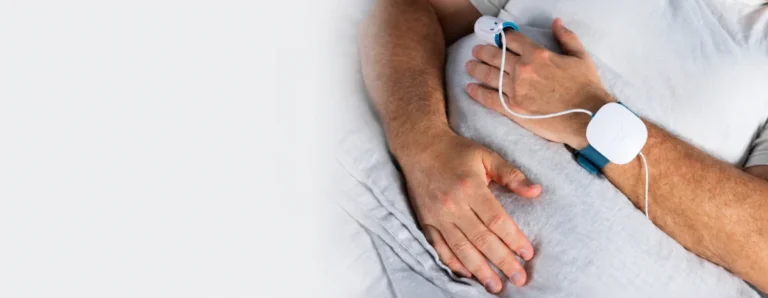
Currently, specialized testing for Alzheimer’s is often confined to major urban medical centers. The goal of the UC3M and Hospital Universitario Severo Ochoa team is to create a methodology that could eventually be utilized in home-based sleep studies. If a patient can be screened via a wearable or a simplified home EEG setup, the barrier to entry for early diagnosis is lowered significantly.
2. A Shift Toward Preventative Neurology
Because modern pharmaceuticals for Alzheimer’s—such as monoclonal antibodies—are most effective when administered during the earliest stages of the disease, the timing of diagnosis is everything. This AI-driven tool provides a "pre-symptomatic" red flag, allowing for the initiation of treatment long before memory loss becomes debilitating.
3. Synergistic Treatment Models
The research points toward a future where patients are treated for both their neurodegenerative risk and their sleep health simultaneously. By addressing sleep disorders, clinicians may slow the physical progression of the disease, essentially "buying time" for patients.
4. Precision Subtyping
By identifying biological subgroups, this research sets the stage for precision neurology. Patients in different subgroups may respond differently to various pharmacological interventions. Understanding these biological profiles will allow researchers to conduct more targeted clinical trials, leading to faster approvals for effective drugs.
Conclusion: A New Dawn in Neuro-Monitoring
The work conducted by the researchers at UC3M and Hospital Universitario Severo Ochoa represents a sophisticated marriage of data science and clinical necessity. While the journey toward a definitive cure for Alzheimer’s continues, the ability to "listen" to the brain while it sleeps provides an unprecedented opportunity for early detection.
As the team moves forward, the focus will likely shift toward larger, longitudinal studies to validate these findings across diverse populations. However, the current results serve as a compelling testament to the power of artificial intelligence in unraveling the mysteries of the human brain. By turning the quiet, nocturnal activity of our neurons into a clear, legible signal, we are taking a vital step toward a future where Alzheimer’s is no longer a terminal sentence, but a manageable condition.
The integration of engineering, pulmonology, and neurology is not just a scientific trend; it is the necessary architecture for the next generation of medical breakthroughs. As this technology matures, it promises to empower millions of people, providing them with the one thing that has been historically missing in the fight against Alzheimer’s: time.